Vegetation
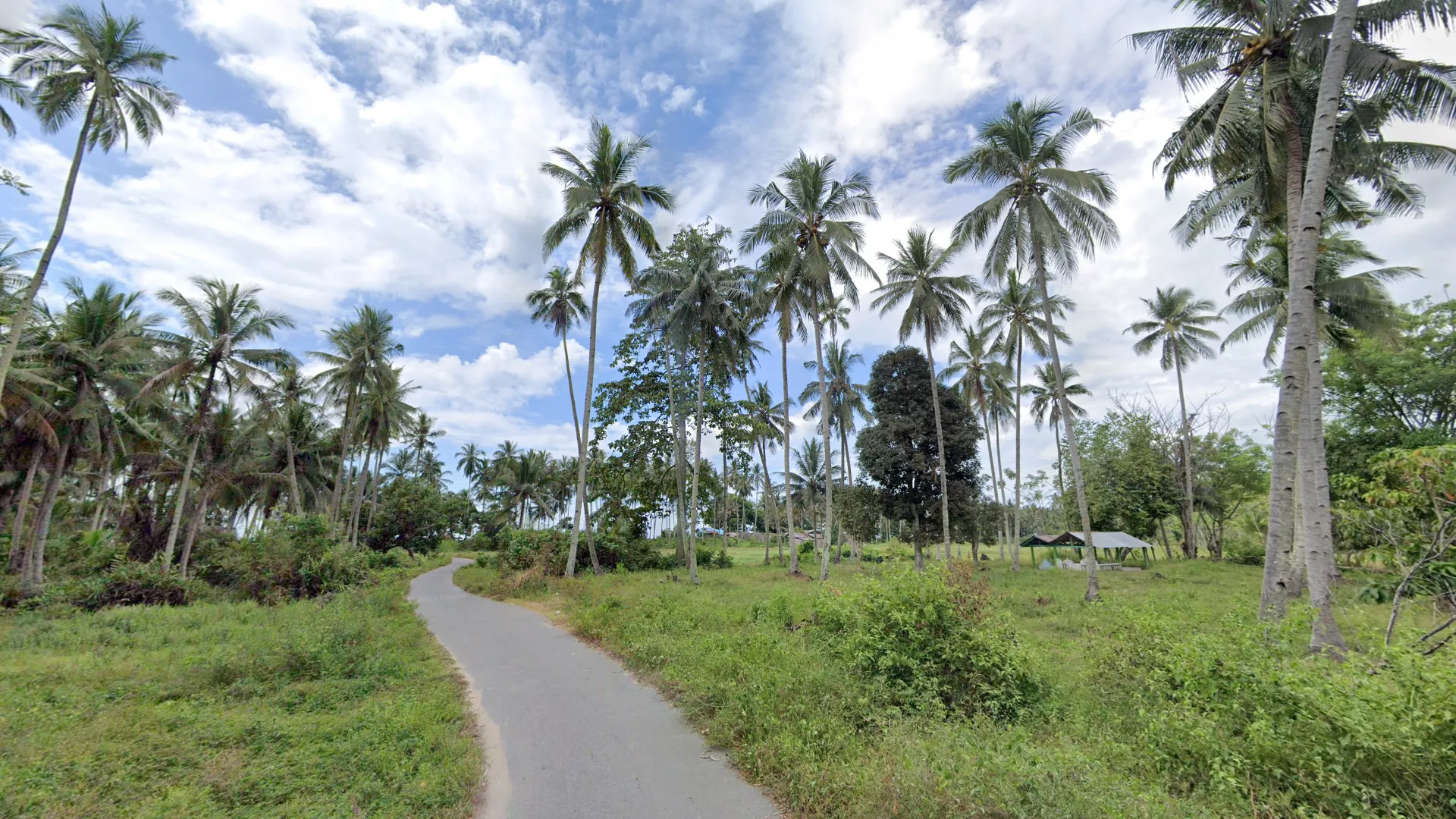
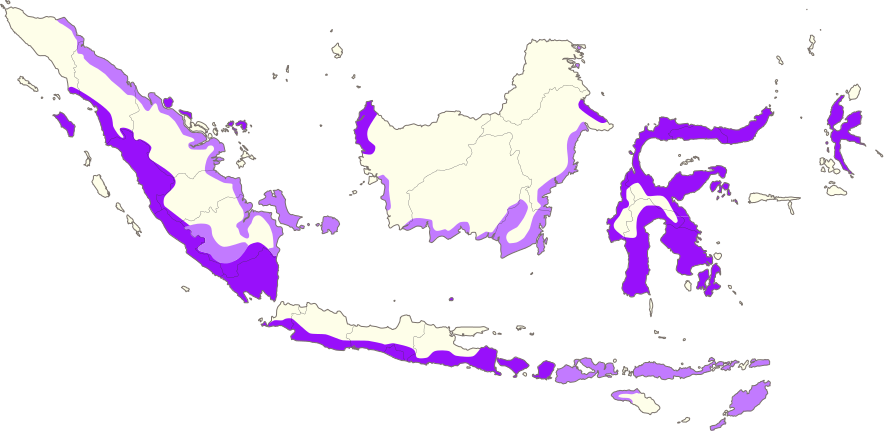
Coconut palms (Cocos nucifera) can be found in many regions throughout Indonesia, but are most abundant along the coast, especially in western Sumatra, southern Java, northern Sulawesi and North Maluku. Note that for this meta to be effective there should be multiple palms visible in the location, as individual plants can be found throughout the whole country.
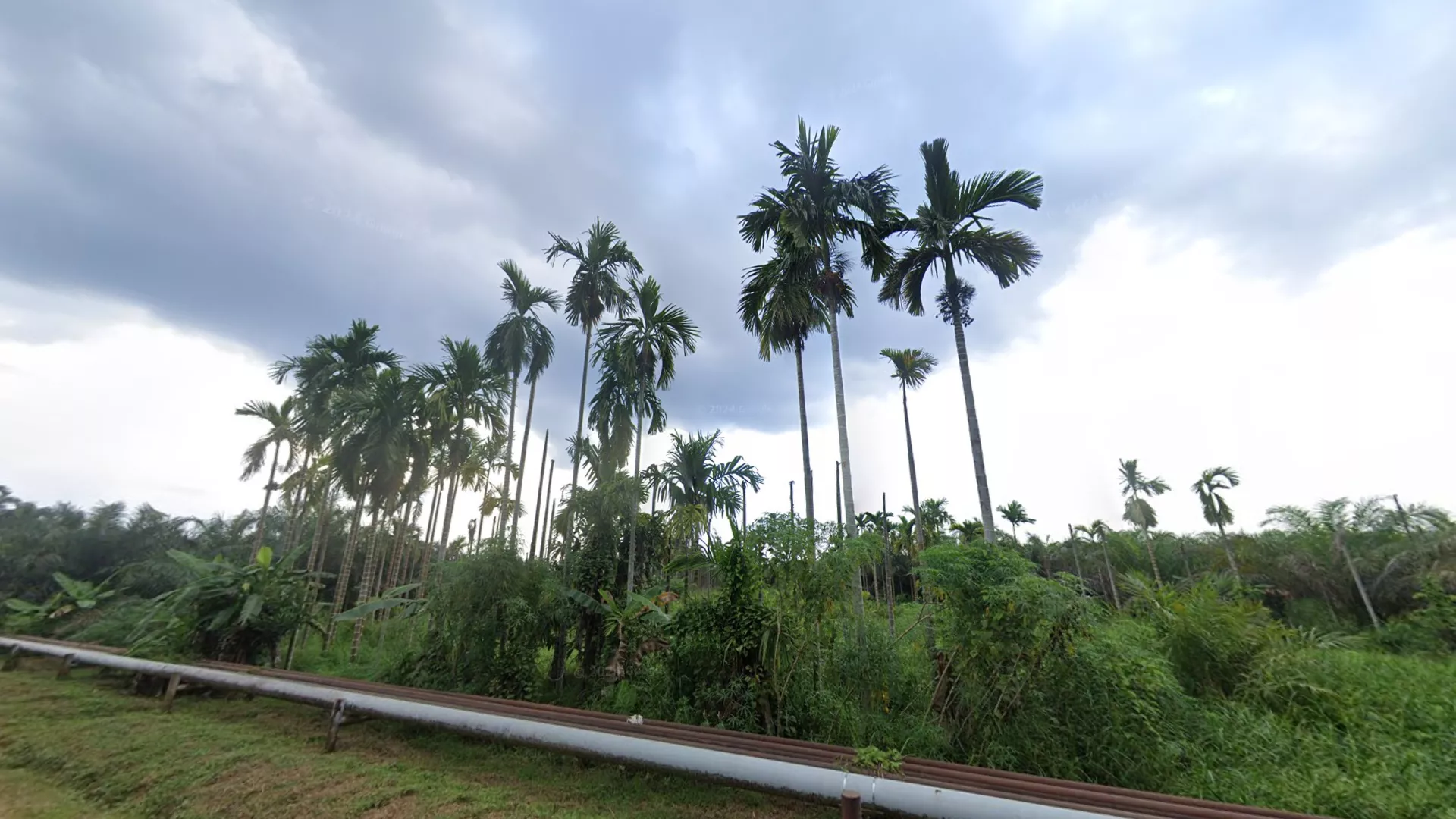
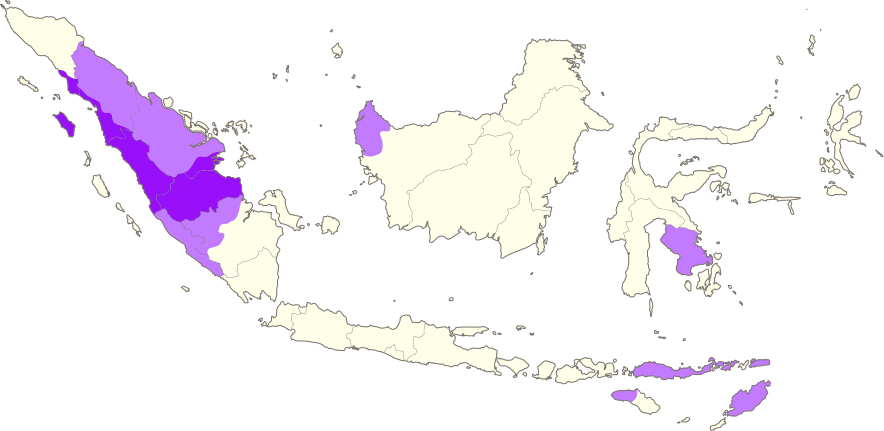
Areca palms (Areca catechu) are most prominent in western Sumatra and can be recognised by their relatively short and thick leaves. Note that for this meta to be effective there should be multiple palms visible in the location, as individual plants can be found throughout the whole country.
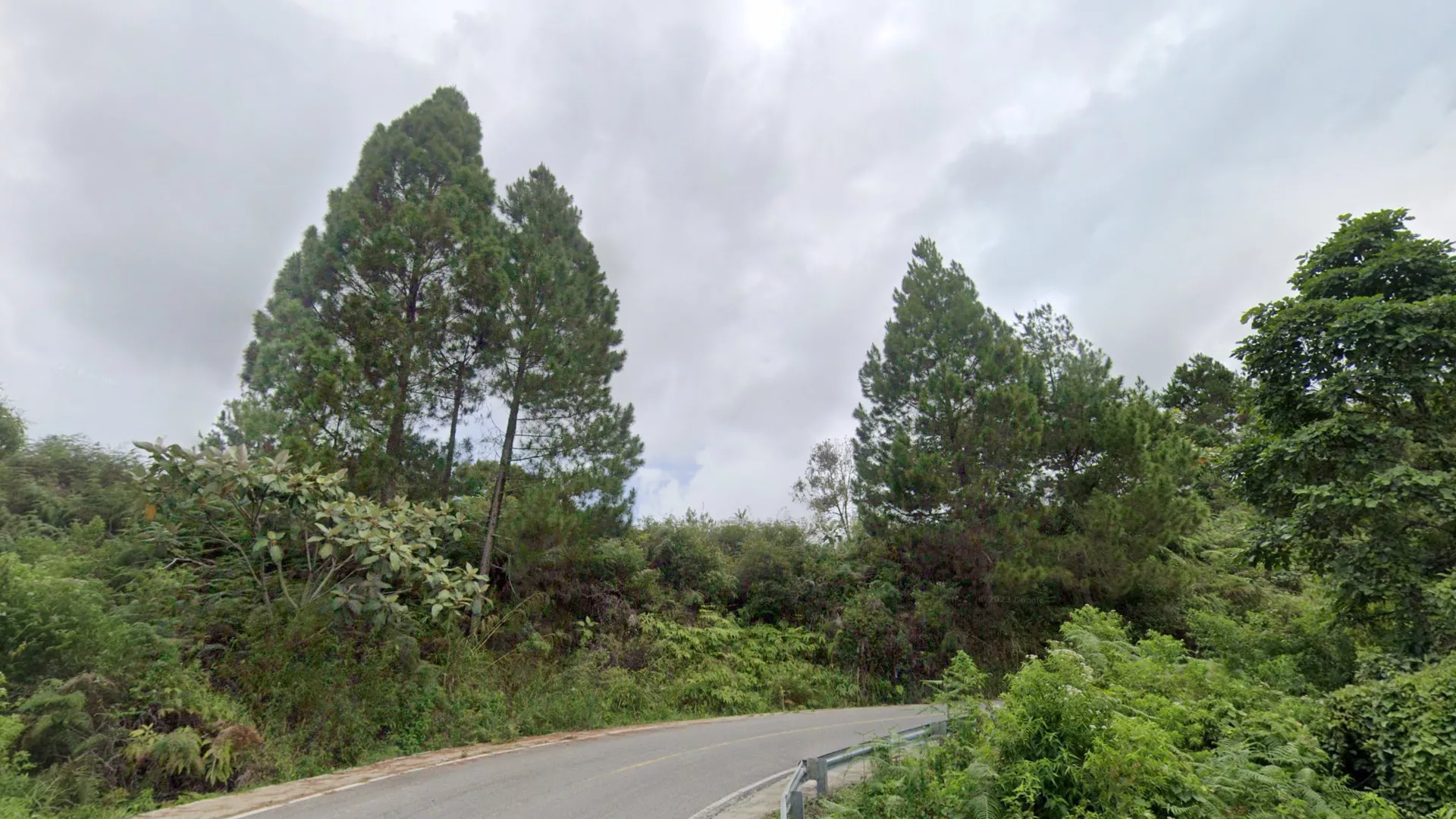
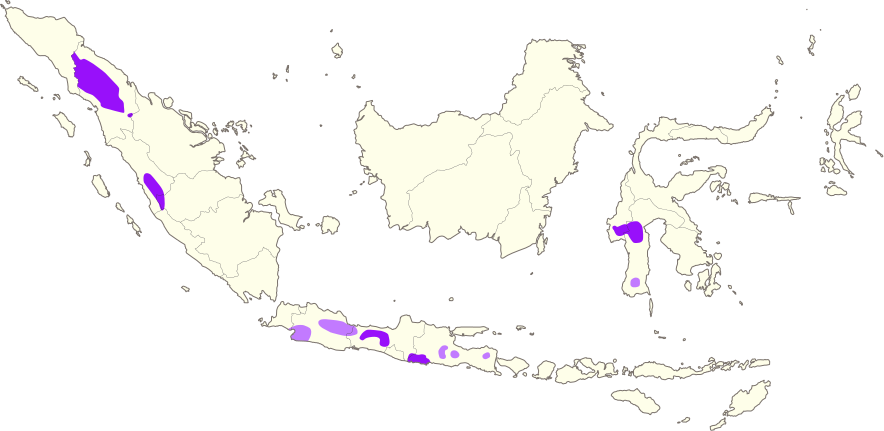
Sumatran pines (Pinus merkusii) in Indonesia can be found in a few pockets across the country, notable areas include North Sumatra and Java. They can be recognised by having long needles for leaves, but be careful not to confuse them with she-oak, which has even longer leaves.
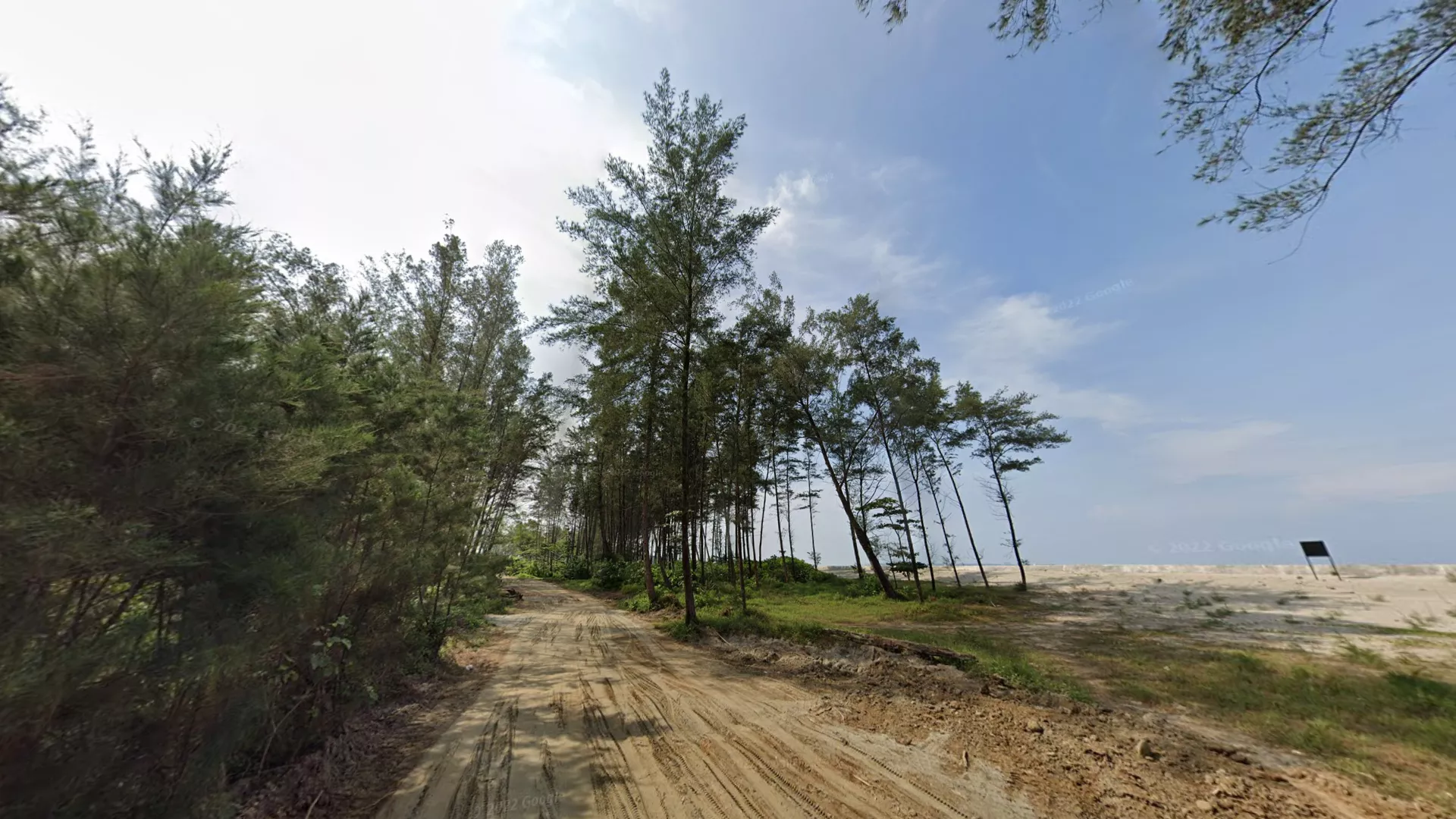
Coastal she-oak (Casuarina equisetifolia) can be found along the coast throughout much of the country, but particularly in Sumatra, Kalimantan and Java. Their leaves resemble the needles of pine trees, but are noticeably longer. Another species of she-oak can be found in mountainous regions throughout the country.
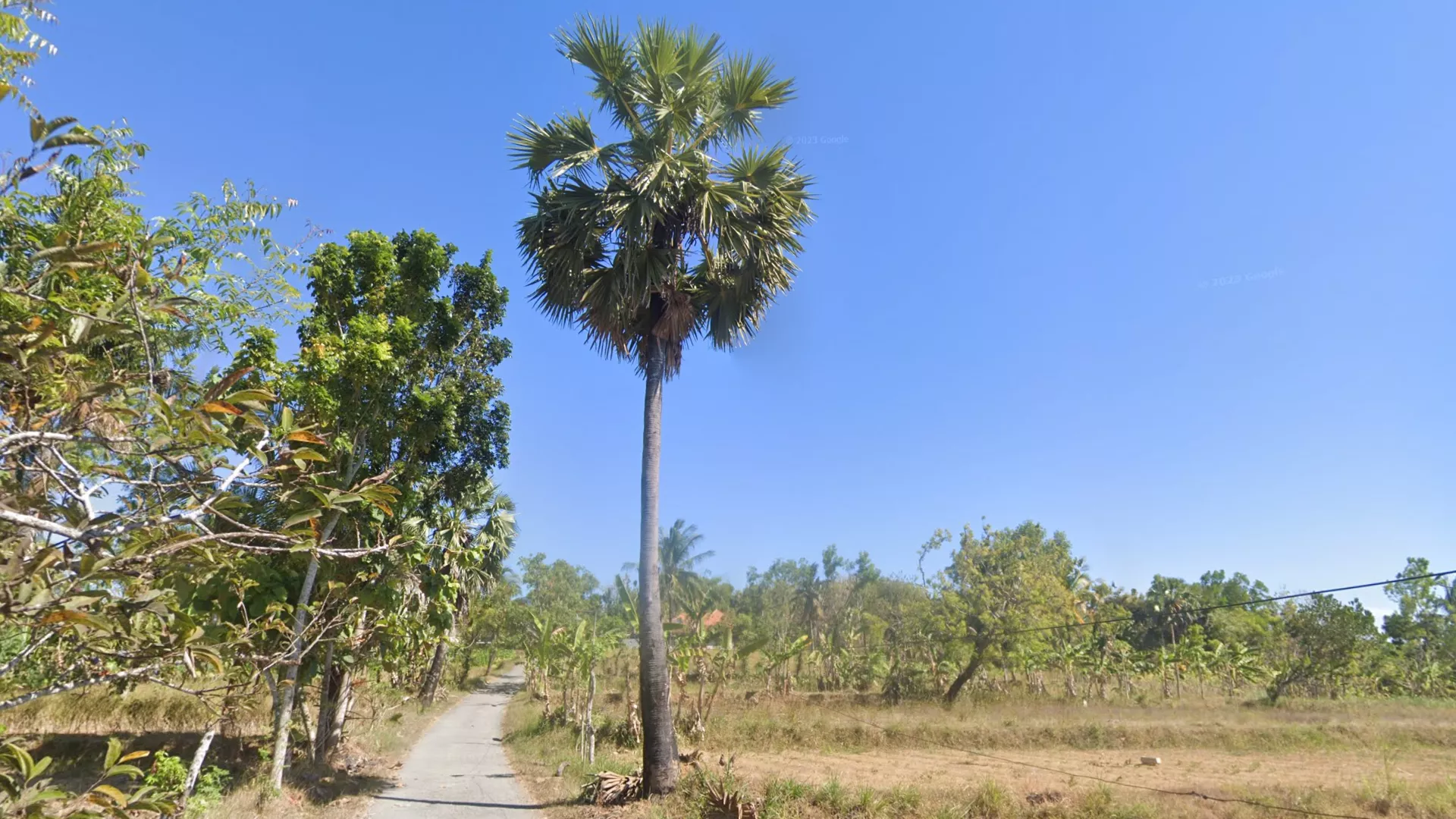
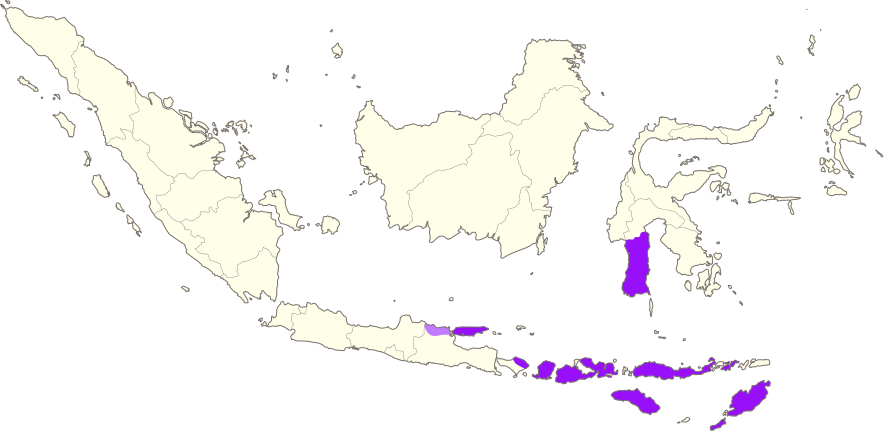
Palmyra palms (Borassus flabellifer) can be recognised by their fan-shaped leaves and dense round crowns. Compared to footstool palm, the crown is more dense, the leaves are heavier and the palm itself is usually shorter. It is found in dry parts of the country, namely the Nusas and South Sulawesi.
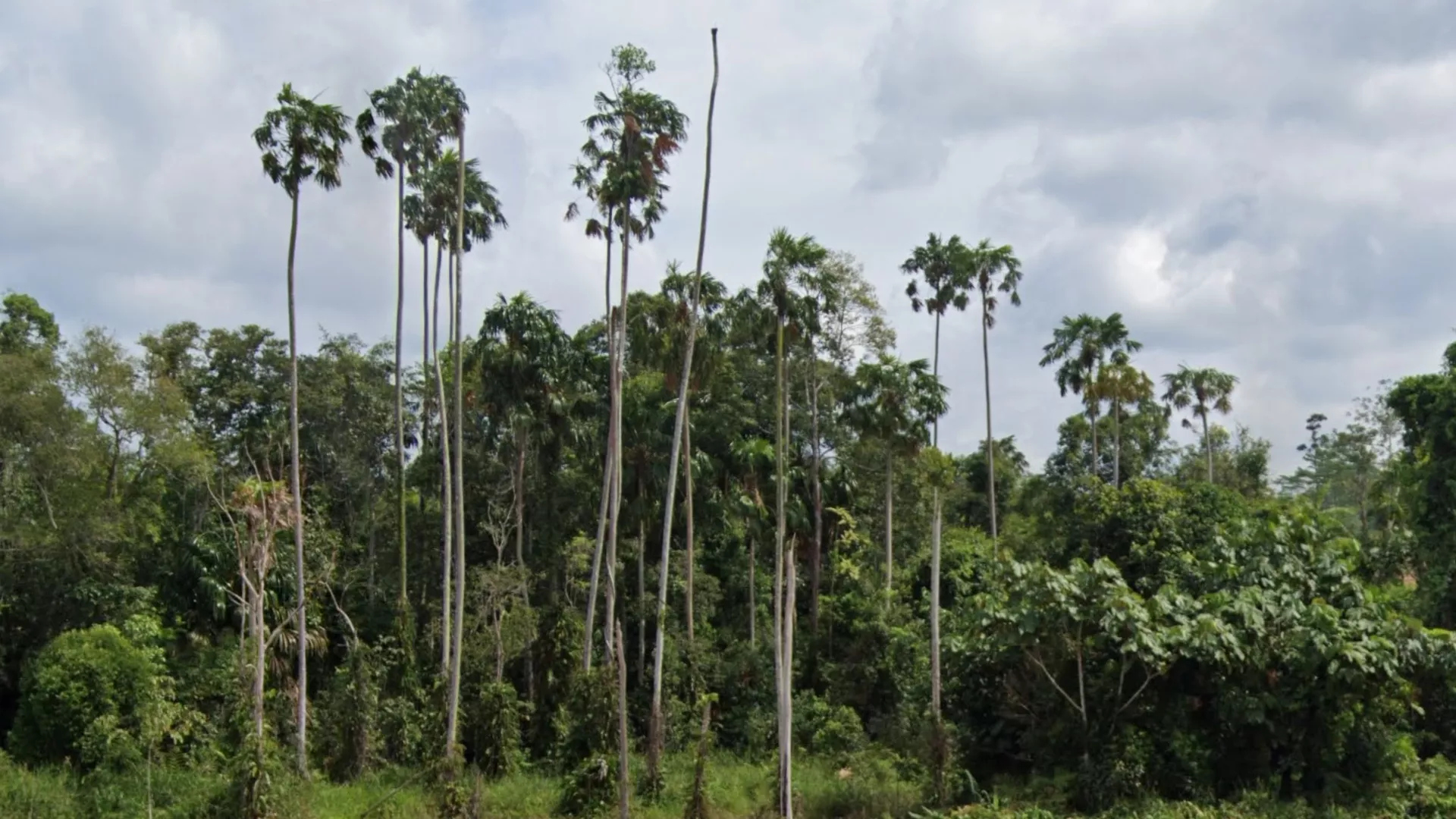
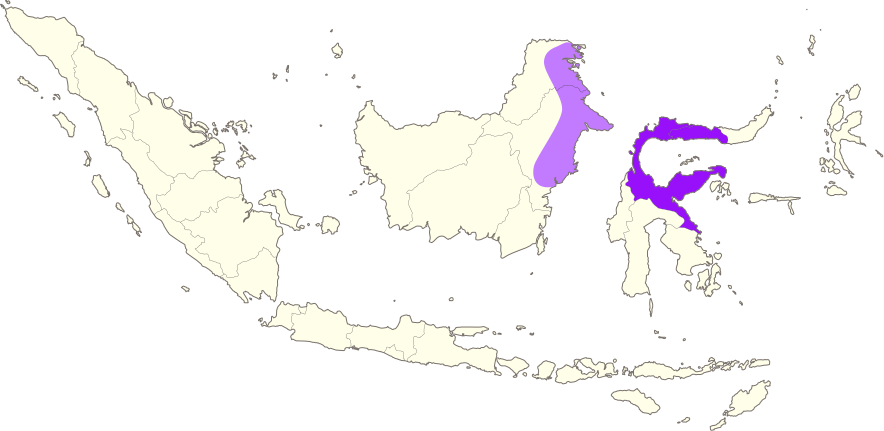
Footstool palm (Saribus rotundifolius) has fan-shaped leaves similar to those of Palmyra palm; however the crown is more open, the leaves are thinner and the palm itself is usually taller. It can be found most notably in Sulawesi and more rarely in other parts of the country.
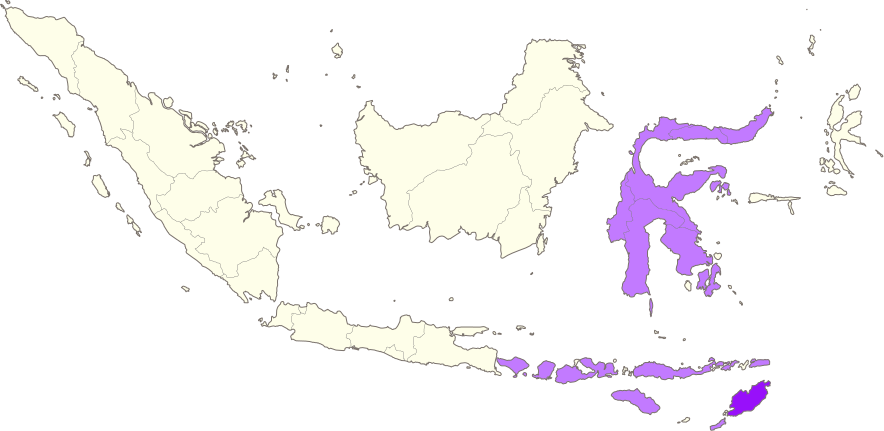
Gebang palm (Corypha utan) can at first glance look similar to both Palmyra and footstool palm due to its fan-shaped leaves, however the leaves are noticeably larger, stiffer and more upright in contrast to the round crown shape of both Palmyra and footstool palm. Unlike most palms, the gebang palm will only flower once at the end of its life in a dramatic gesture where the leaves wither away and it shoots one large inflorescence into the heavens before it dies. It is found mainly in the east of the country, namely Sulawesi and the Nusas.
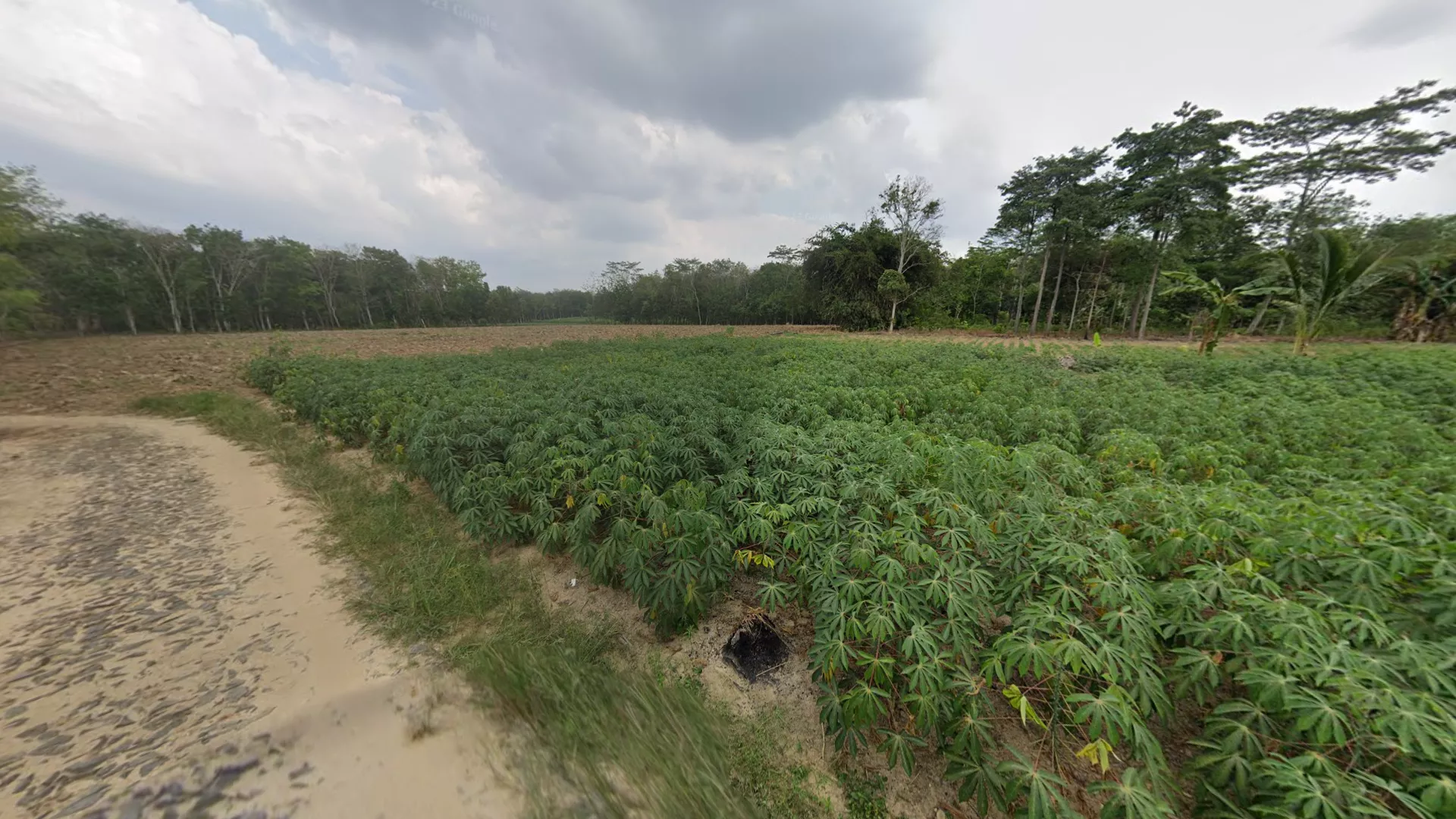
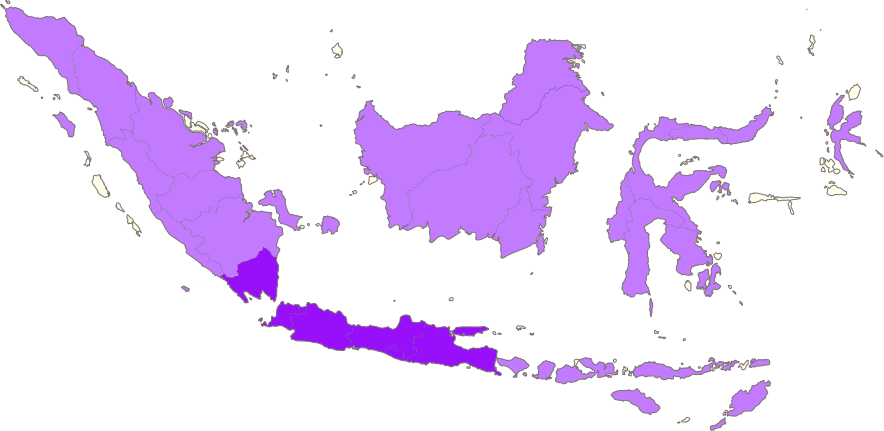
Cassava (Manihot esculenta) can be recognised by its small, hand-shaped leaves. It can be found both in plantations as well as semi-wild in residential areas. It is most commonly seen in Lampung and Java with Lampung being the main hot spot.
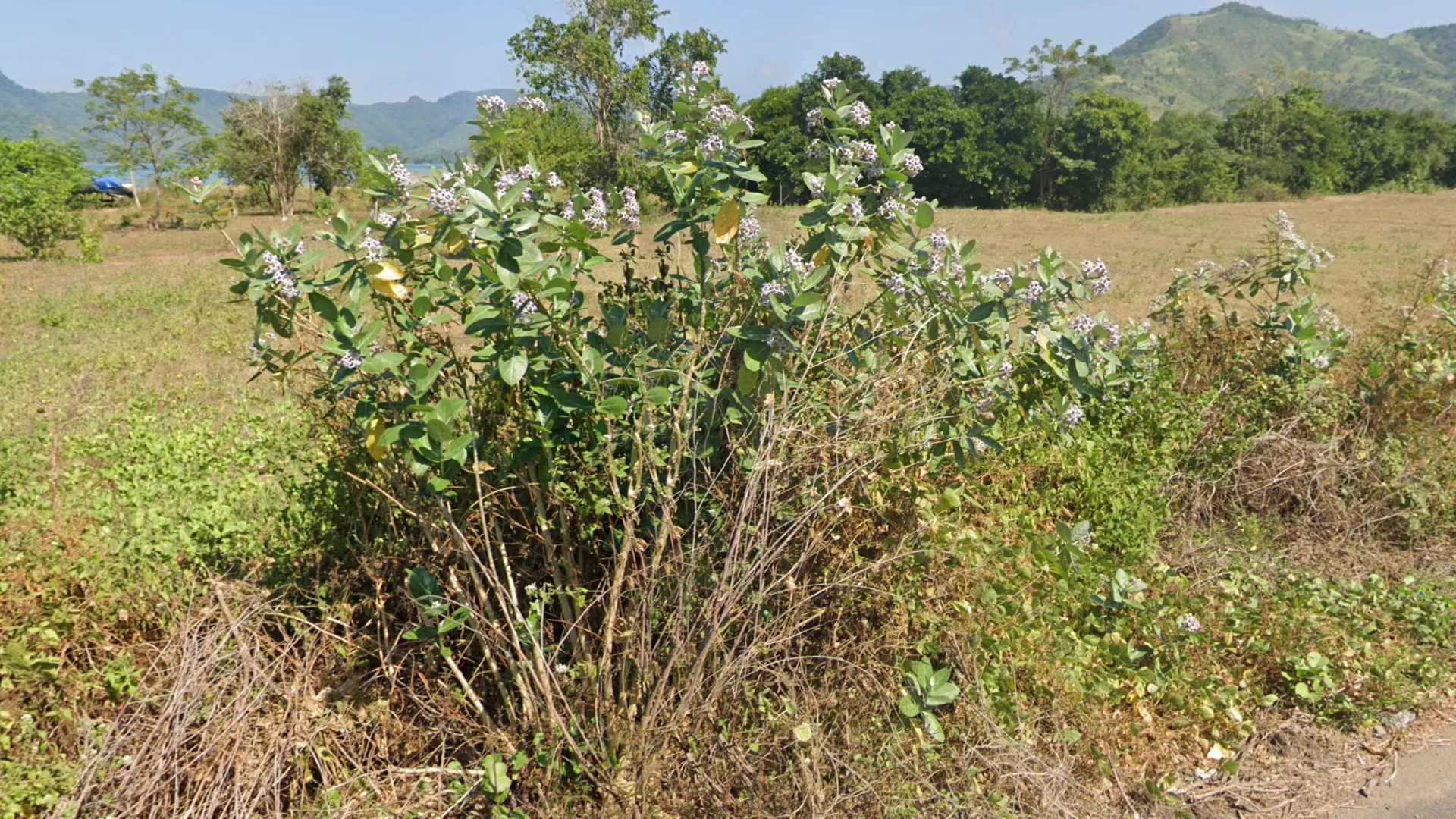
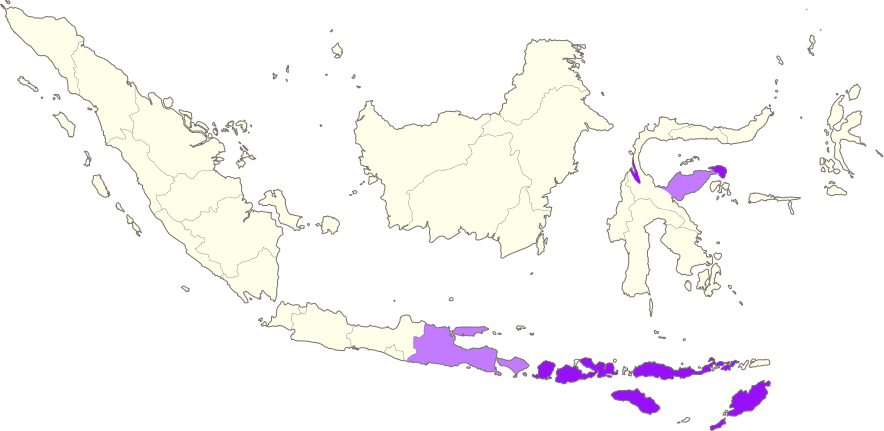
Giant milkweed (Calotropis gigantea) is a small shrub with thick round leaves and pale flowers. It can be found in dry regions of Indonesia, namely the Nusas and parts of Java and Sulawesi.
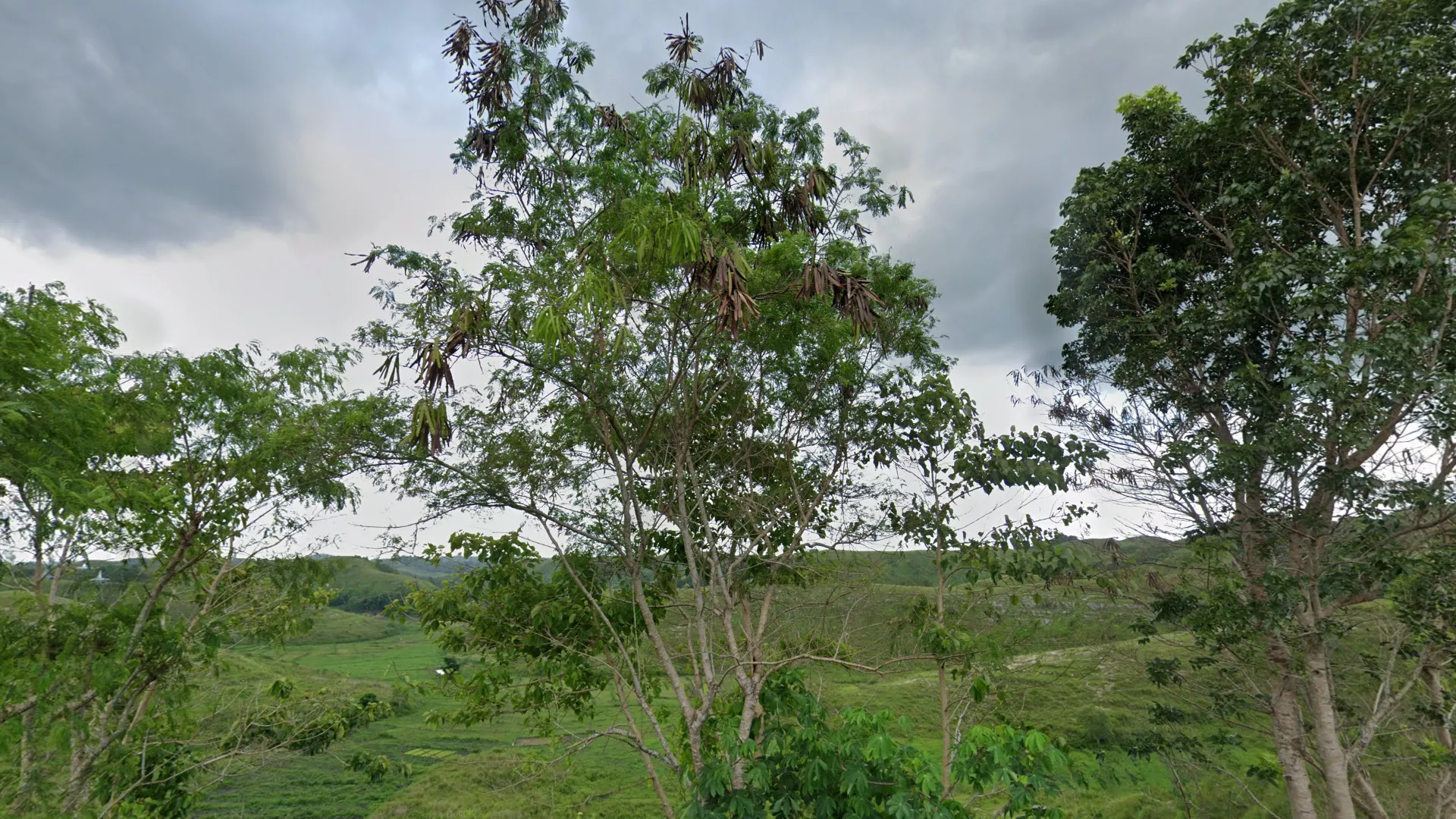
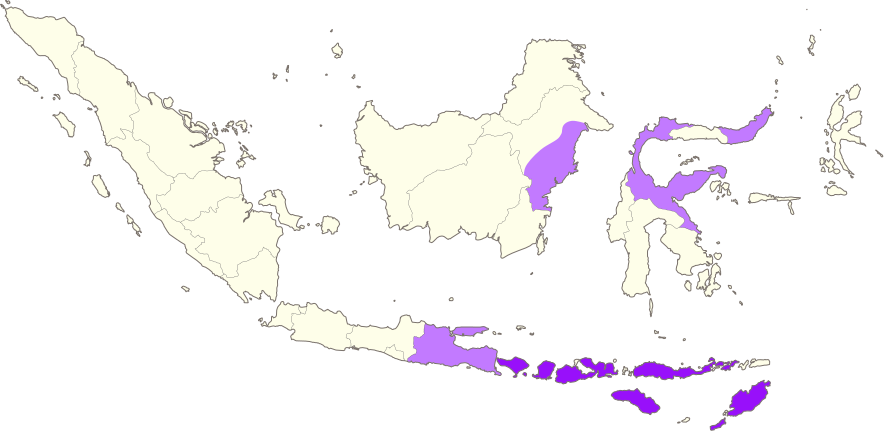
White leadtree (Leucaena leucocephala) can be recognised by its delicate featherlike (bipinnate) leaves. Fruits are often also visible in the form of legume pods. It can be found mainly in the Nusas as well as a few other dry areas of the country.
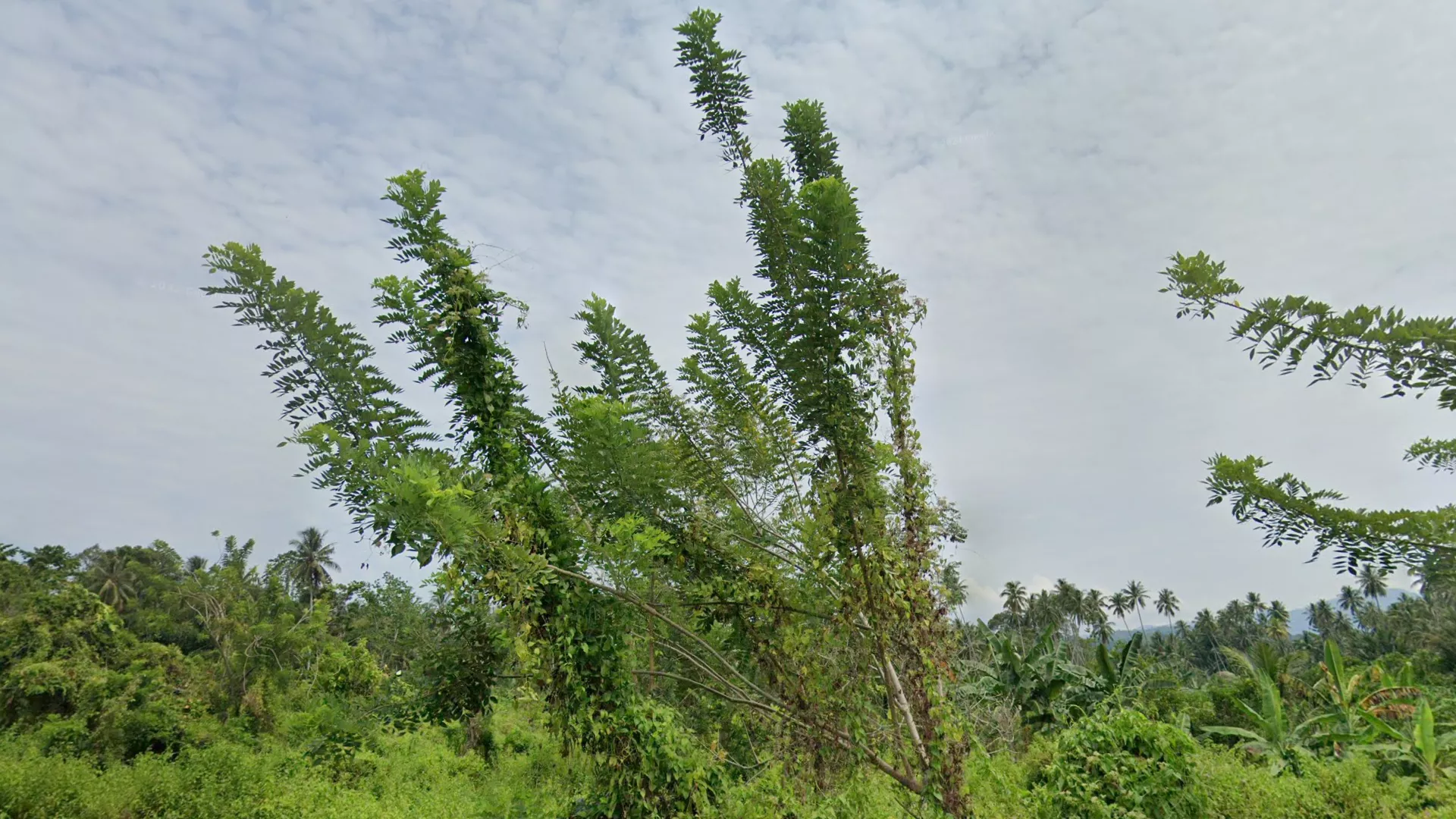
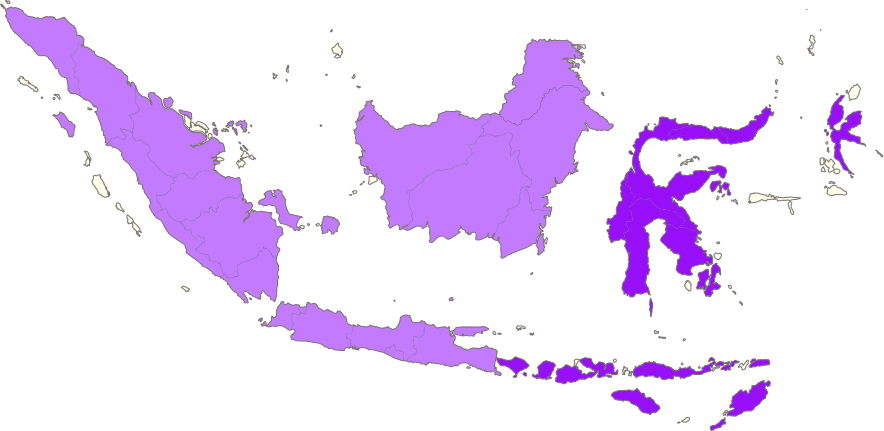
Fence post tree (Gliricidia sepium) is in the same family as the aforementioned white leadtree and has similar featherlike leaves and legume pods for fruits, but the leaves are less delicate and the tree has a more columnar appearance. It is mainly found in the east of the country, namely the Nusas, Sulawesi and North Maluku, but can also less commonly be found everywhere.
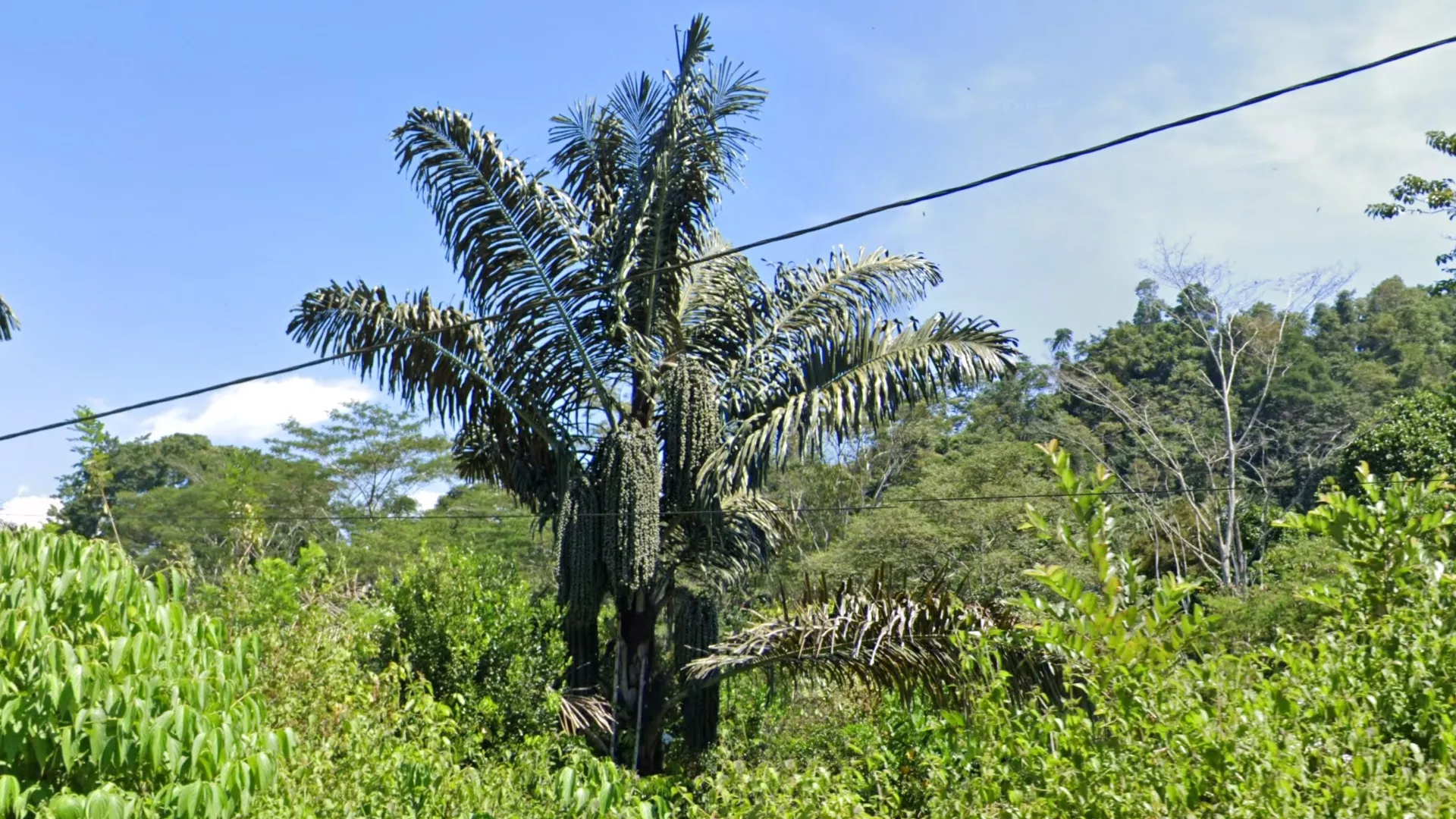
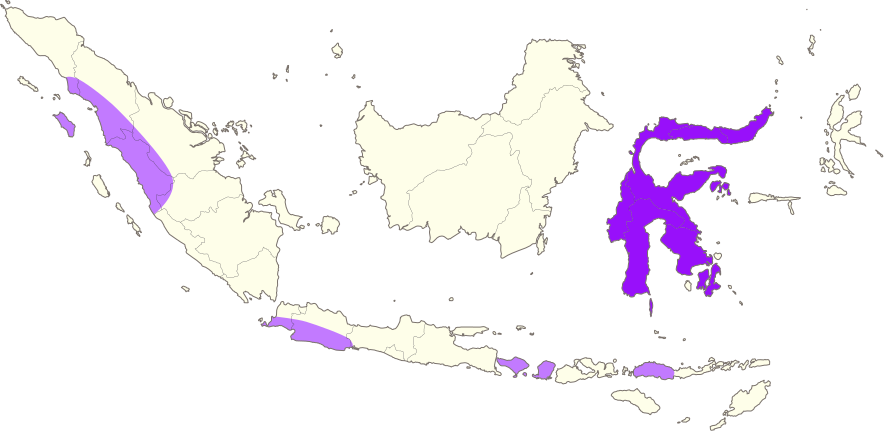
Sugar palm (Arenga pinnata) is found most abundantly in Sulawesi and secondarily in a few pockets across Sumatra, Java and the Nusas, but beware that it can also more rarely be found elsewhere throughout the country. Not to be confused with oil palms, sugar palms have larger and darker leaves and will not be seen in plantations. The fruits of the sugar palm are also very recognisable if you are lucky enough to see them, as they grow in long hanging clusters. Note that for this meta to be effective there should be multiple palms visible in the location, as individual plants can be found throughout the whole country.
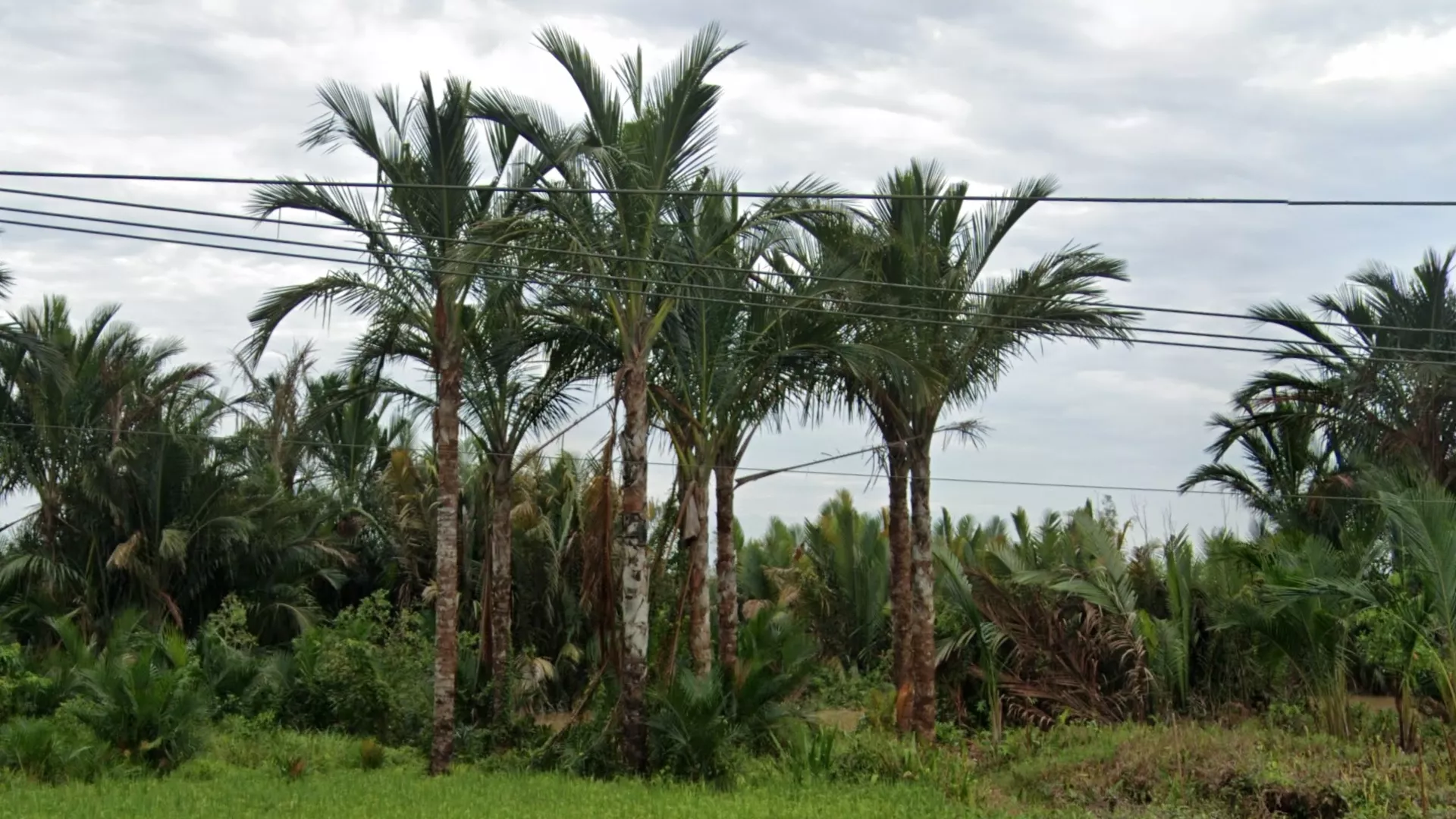
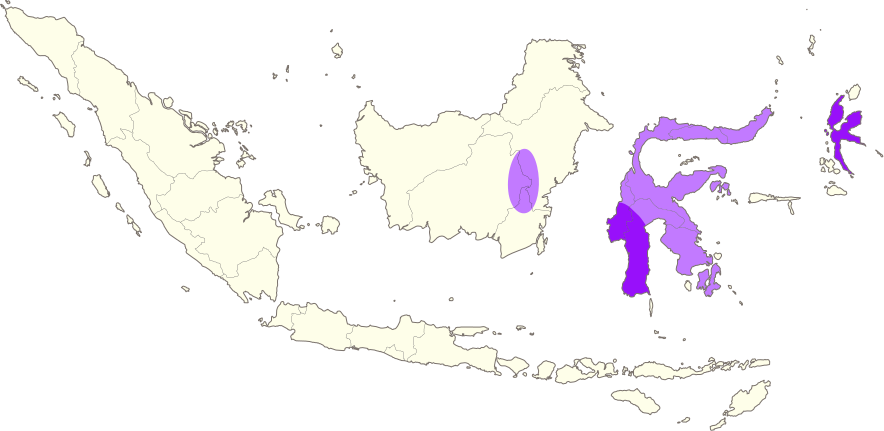
Sago palm (Metroxylon sagu) is mainly found in Sulawesi and North Maluku and less commonly the central part of Kalimantan. It can be recognised by its upright leaves and usually has a medium-sized trunk. In some cases where it doesn’t have a trunk it can look remarkably similar to nipa palm (Nypa fruticans) which never has a trunk; however nipa palms grow exclusively in water.
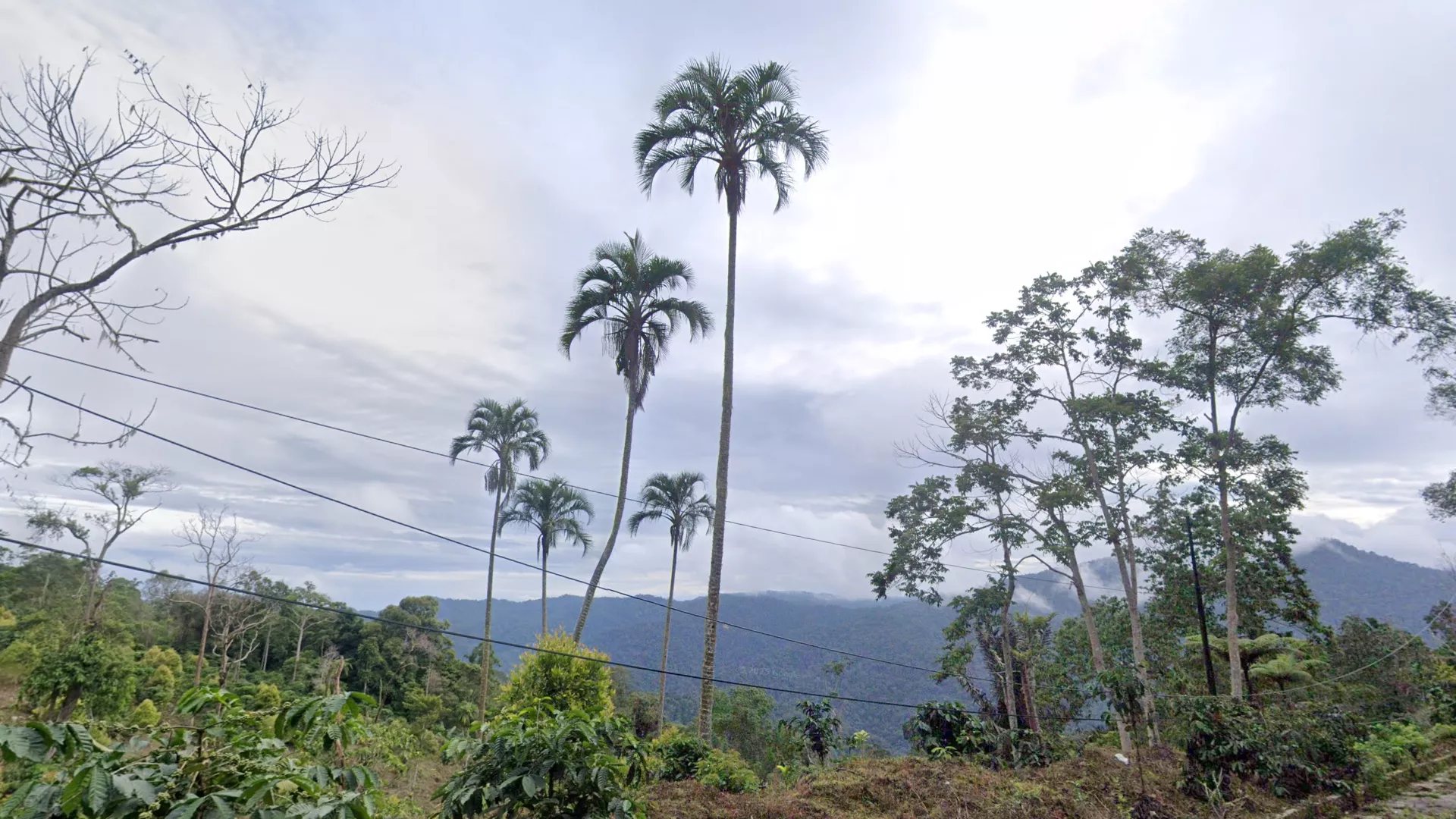
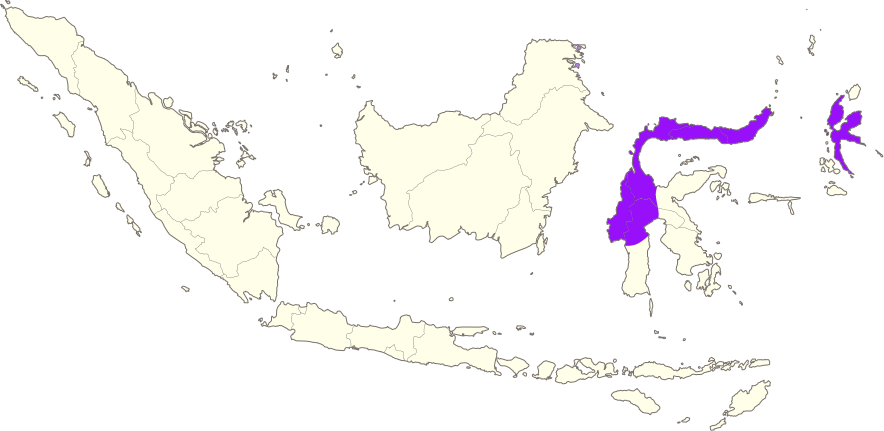
Pigafetta elata is an uncommon palm species that can be recognised by its gracefully arching leaves and is found in northern Sulawesi and North Maluku.
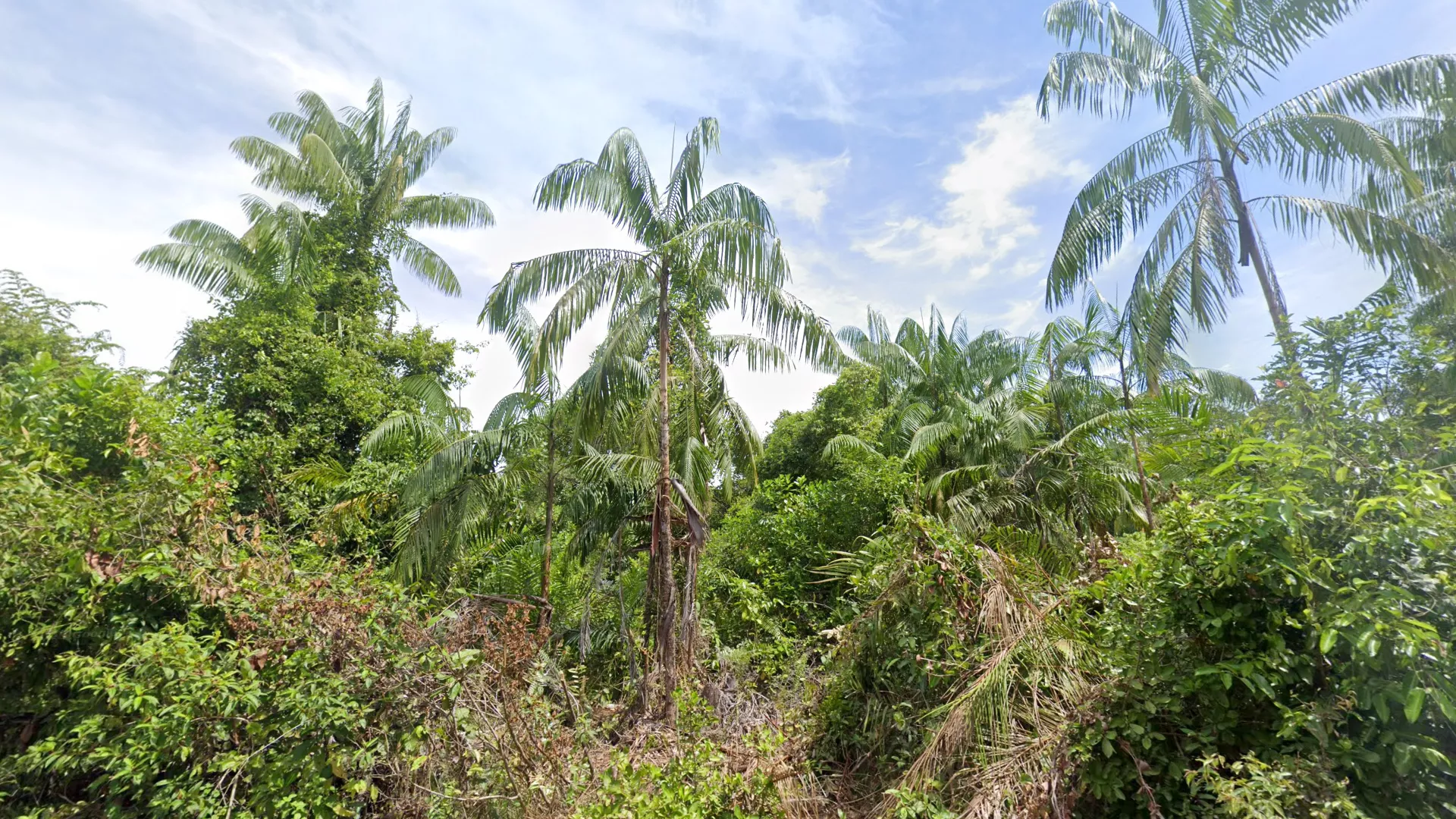
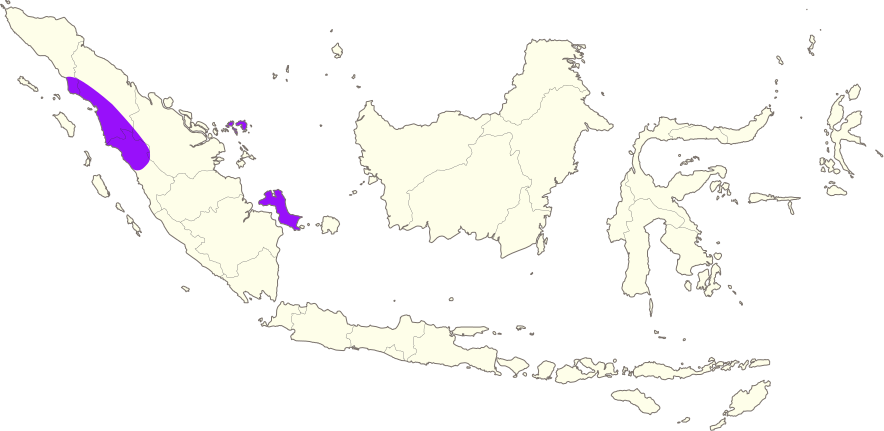
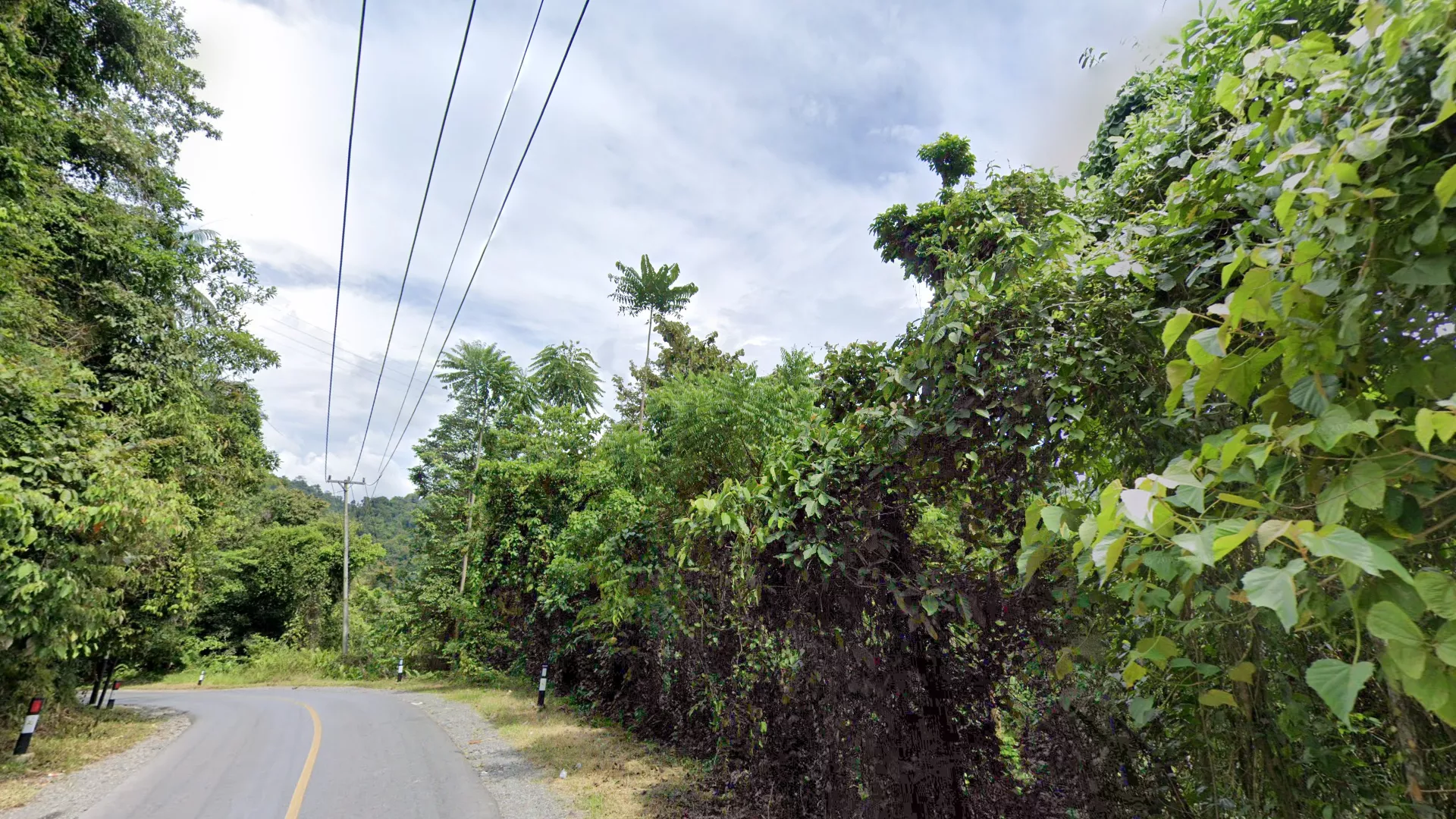
Nibong palm (Oncosperma tigillarium) is an uncommon palm species that can be recognised by its leaves where the leaflets (the secondary leaves) hang straight down like a curtain. It is found in northwestern Sumatra and the islands off the east coast of Sumatra.
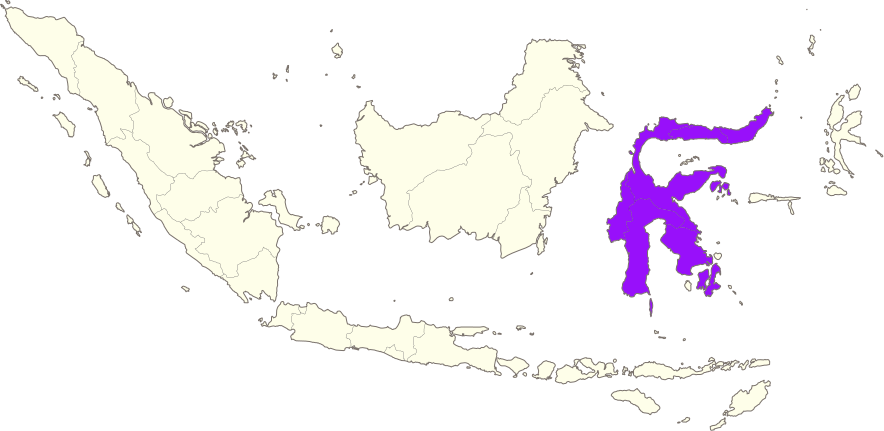
Bngei (Polyscias nodosa) is a peculiar-looking tree recognisable by its lollipop-shape with a long straight trunk and round crown at the top. It can be found in Sulawesi.
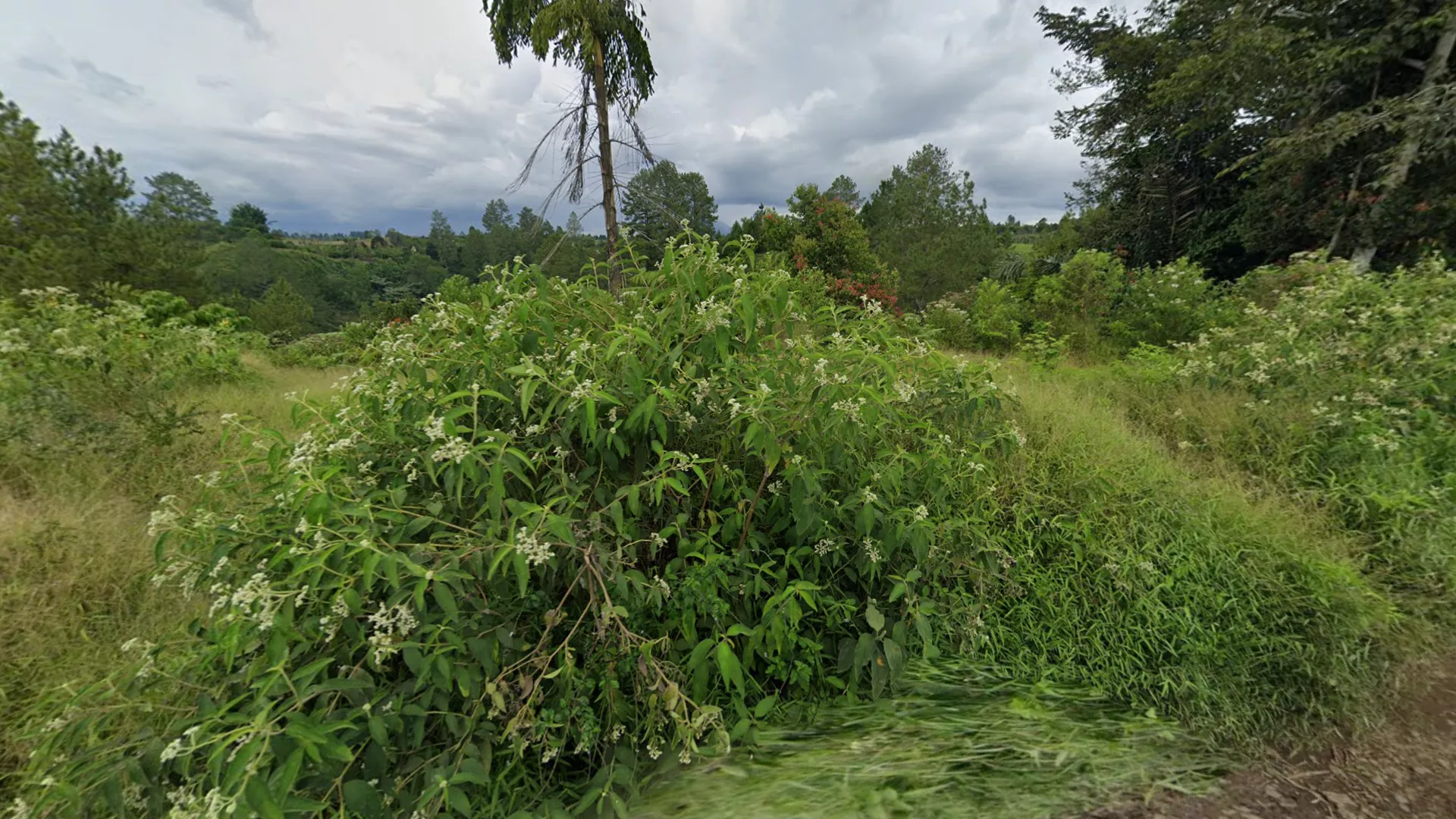
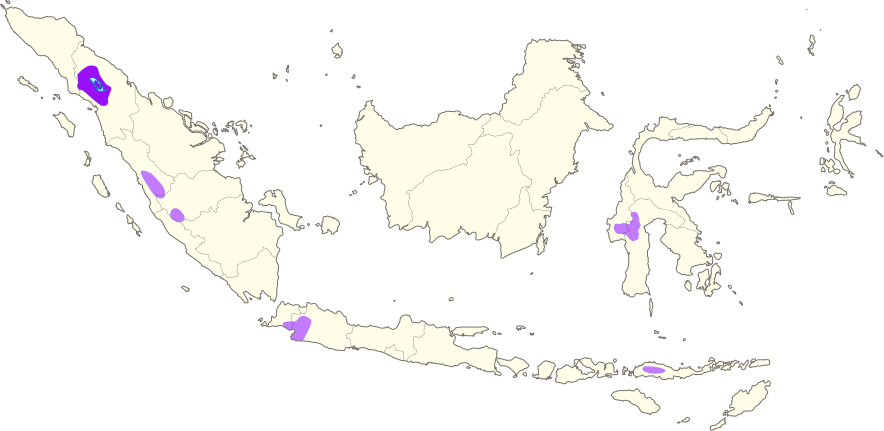
Clibadium surinamense is a shrub with oval leaves and clustered white flowers that can be seen in a few pockets across Sumatra and less commonly in Sulawesi, western Java and Flores.
Agriculture
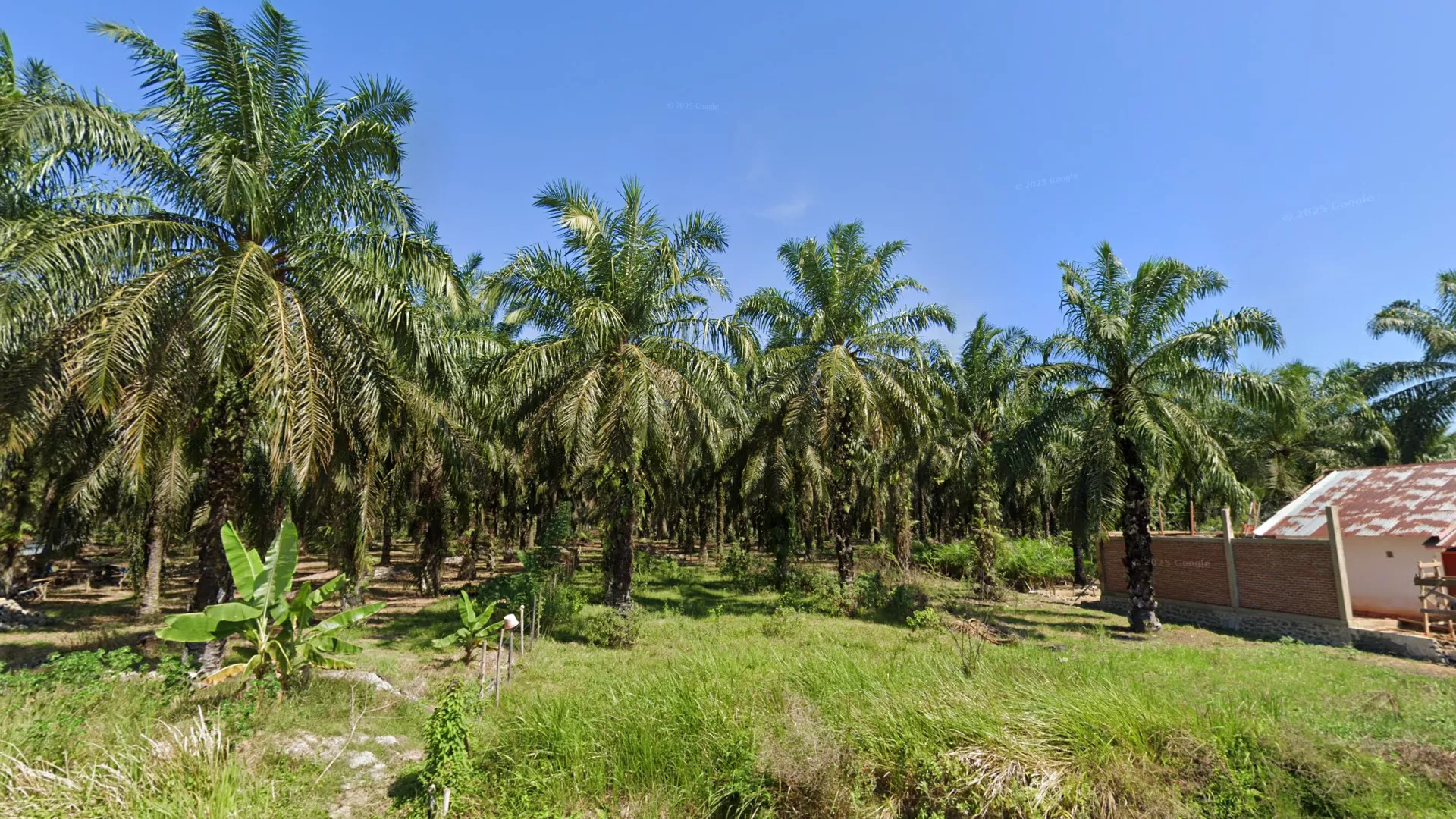
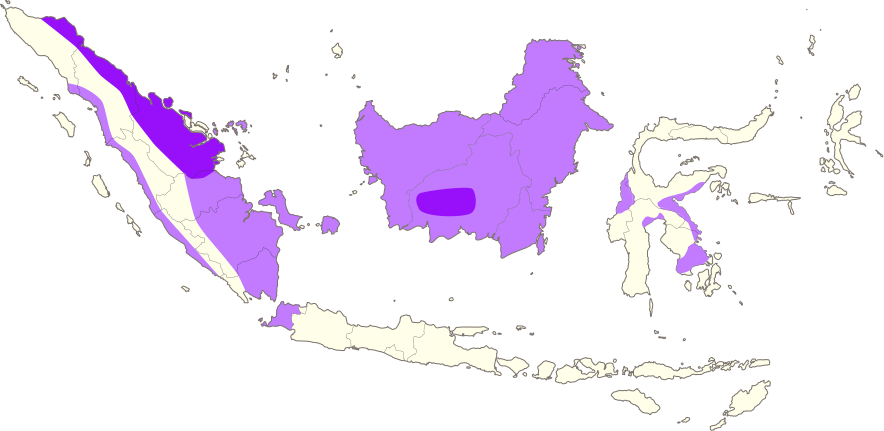
Oil palms are one of the most abundant crops in Indonesia and can be found in a few regions, but mainly in Sumatra and Kalimantan, with especially large quantities in northern Sumatra, particularly Riau. They can be recognised by having large frizzy leaves and by usually being neatly planted in rows.
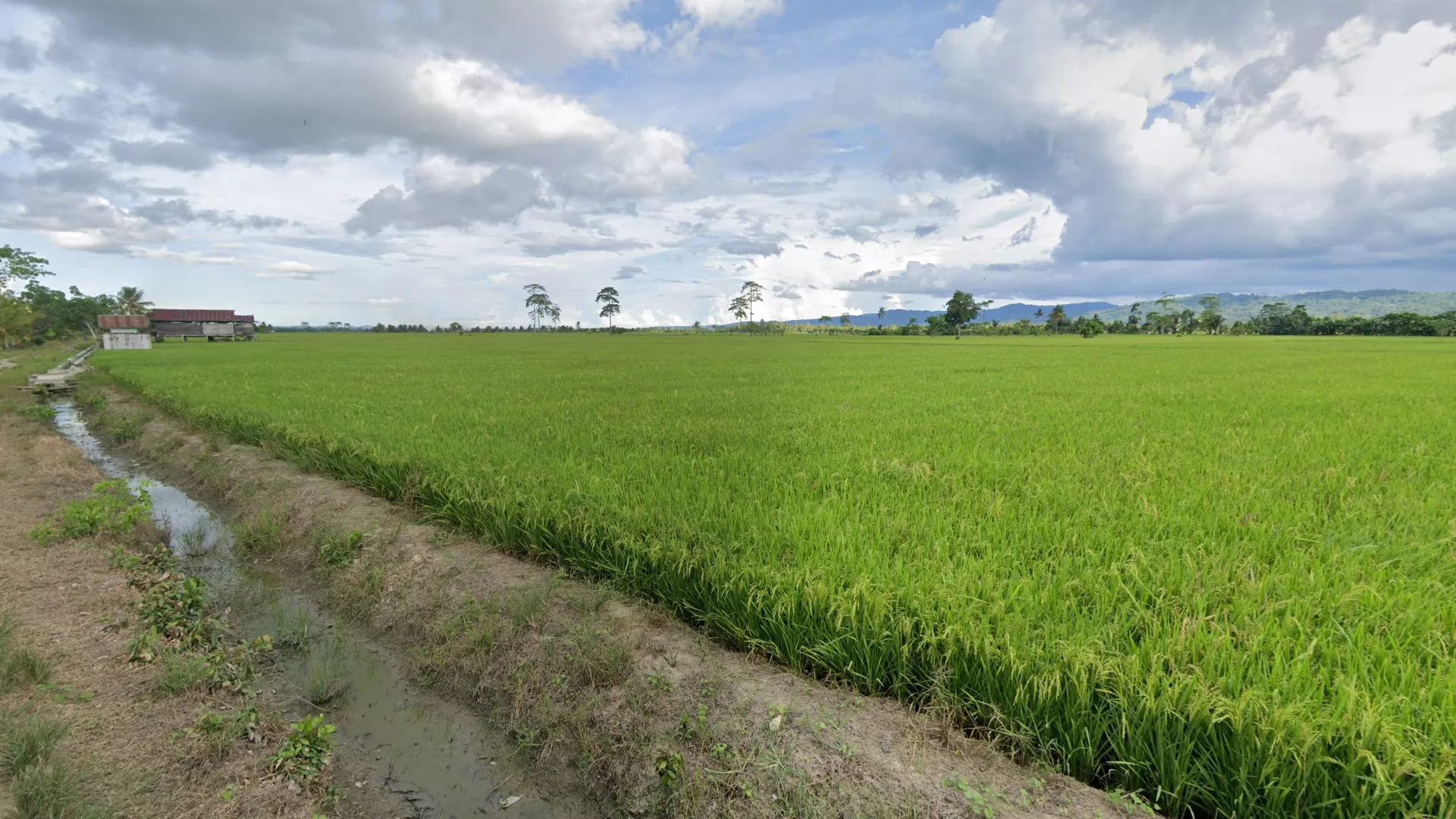
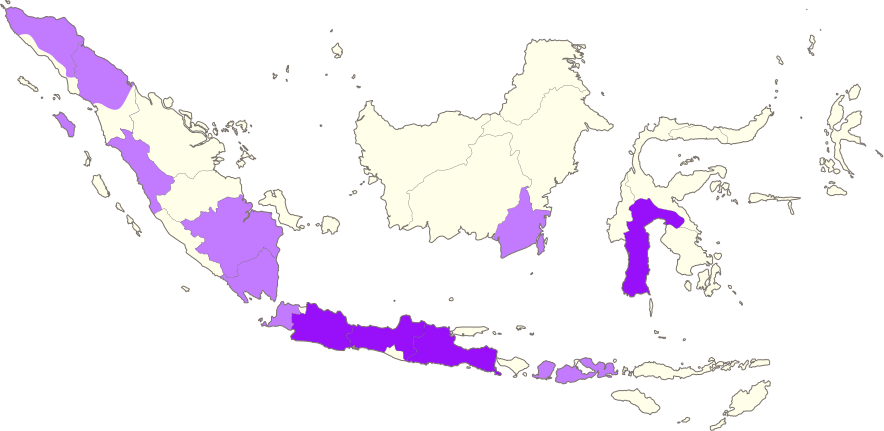
Rice in Indonesia is mainly found in Java, South Sulawesi and less commonly Sumatra, South Kalimantan and West Nusa Tenggara. Compared to sugarcane, rice is typically much smaller.
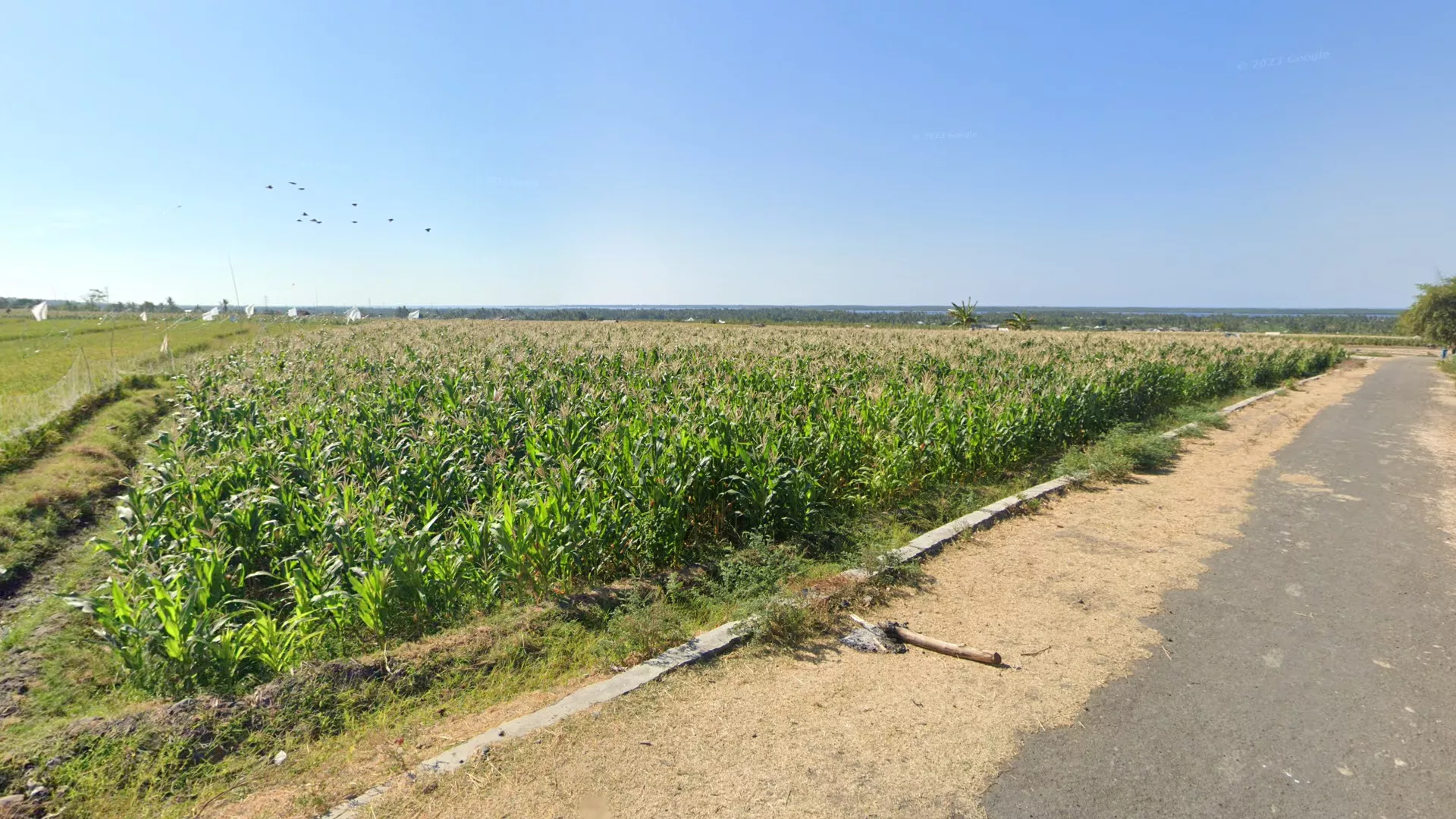
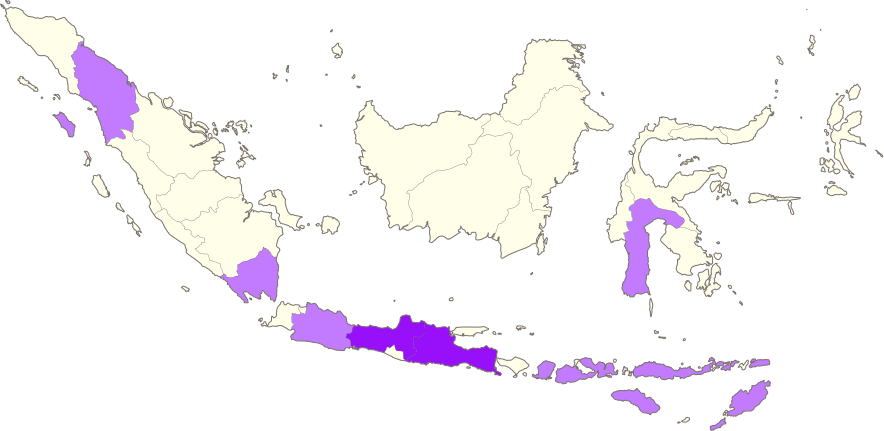
Corn can be found in a few regions throughout the country, most notably Java, Lampung, North Sumatra and South Sulawesi. Compared to sugarcane, corn has broader leaves.
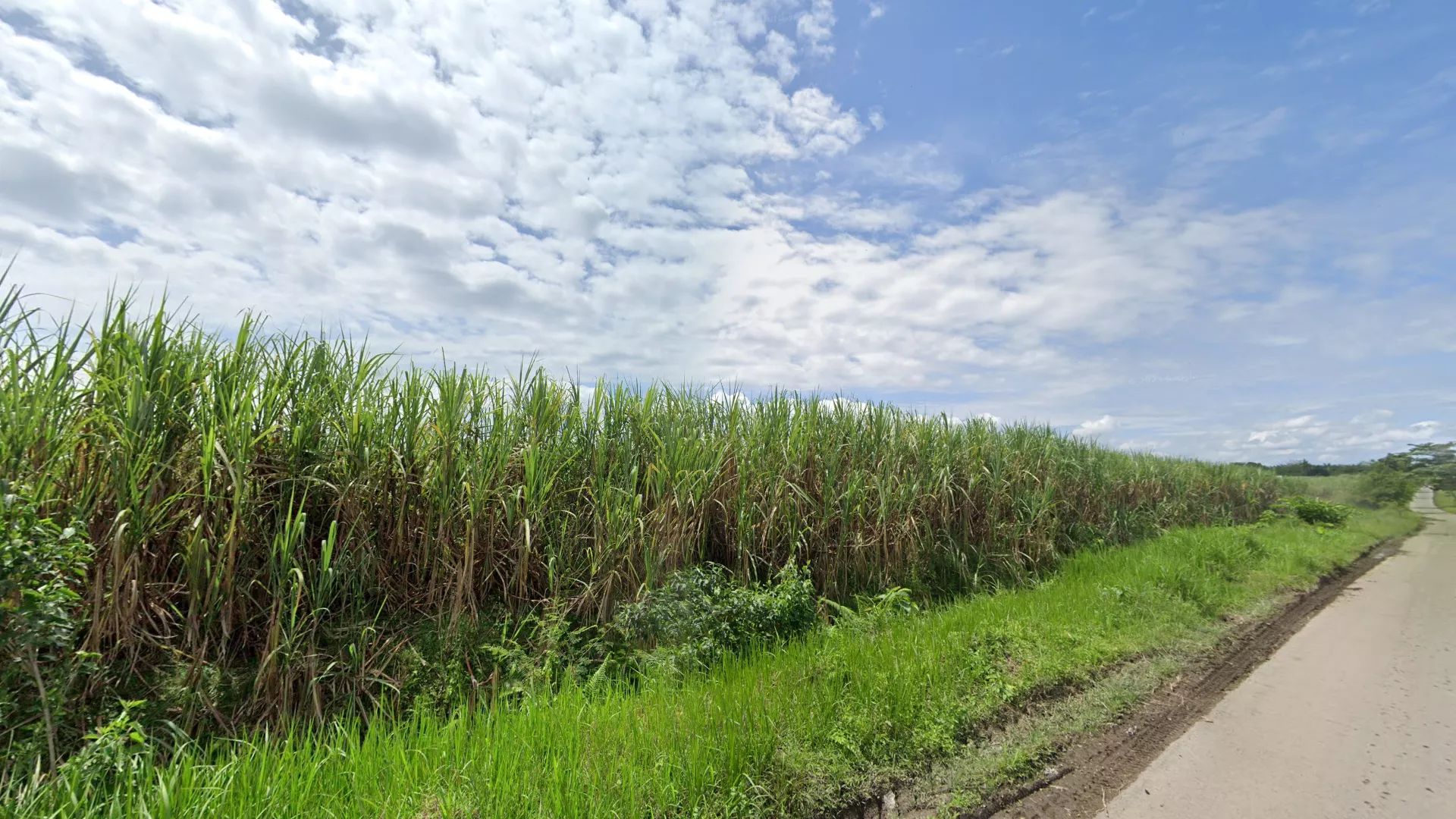
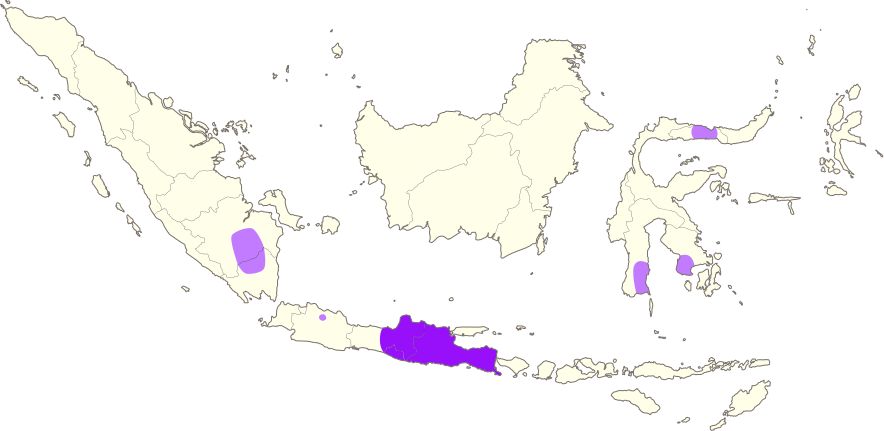
Sugarcane can be found most often in the eastern half of Java and less commonly in a few other pockets throughout the country. Compared to corn, sugarcane has narrower leaves. Dried yellow leaves can often be seen on the bottom half of the plant.
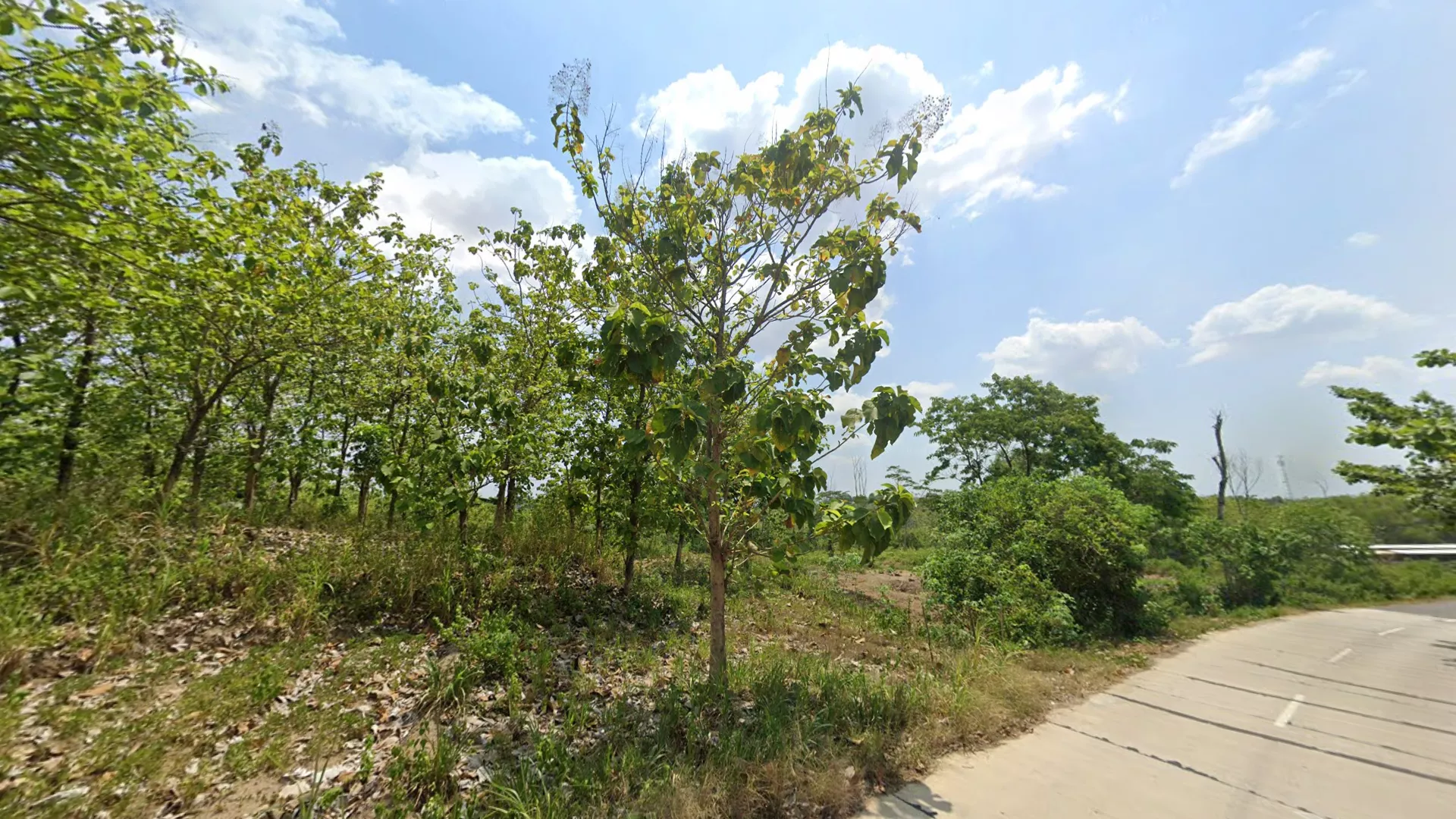
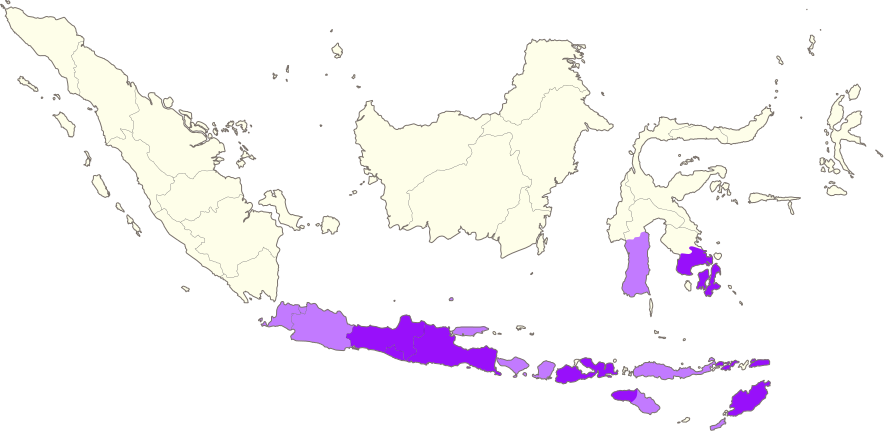
Teak plantations are found predominantly in Central and East Java. Individual plants can however be seen in a few other regions across Java, the Nusas and southern Sulawesi. The plant can be recognised by its very large leaves and clustered flowers.
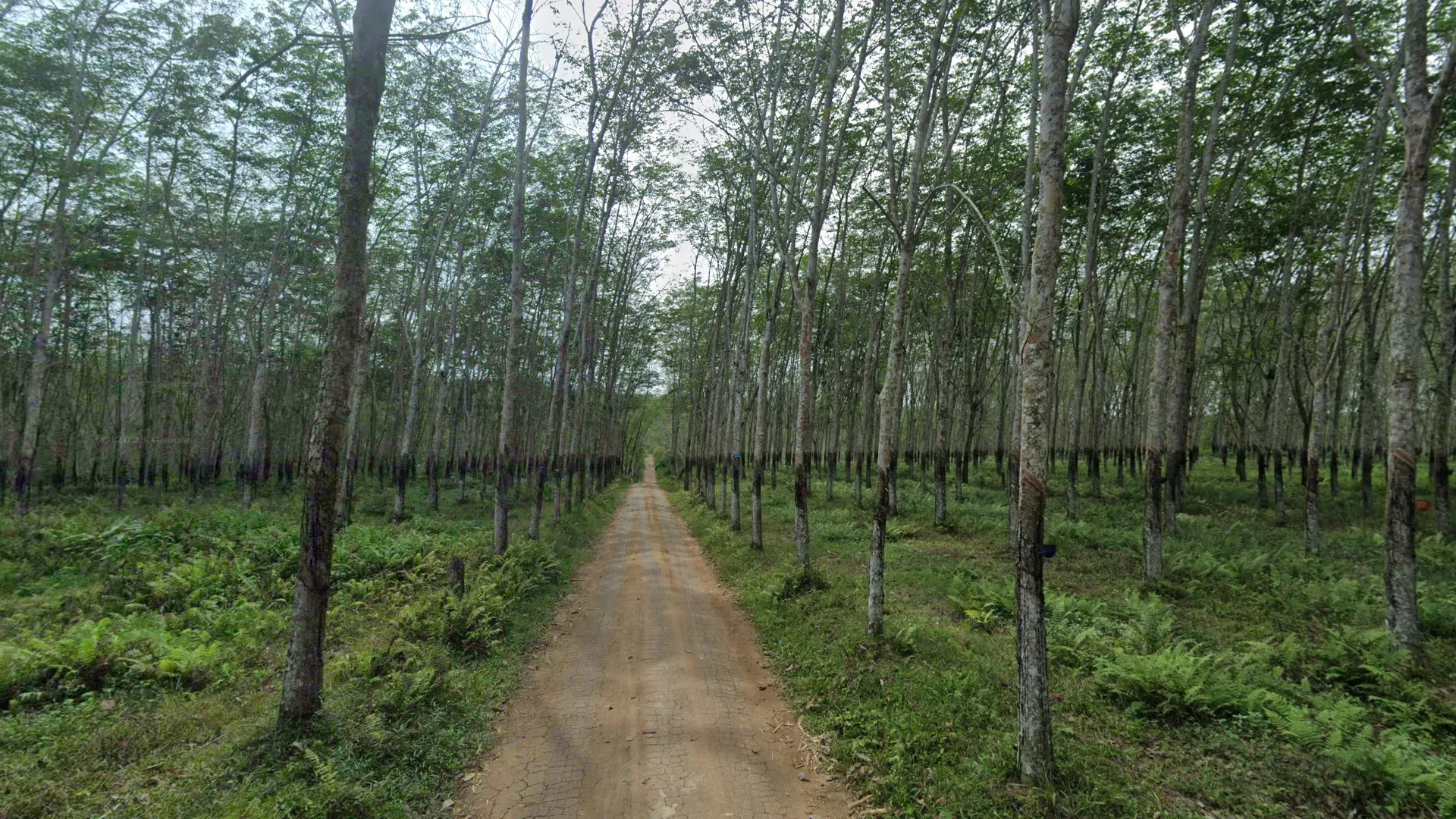
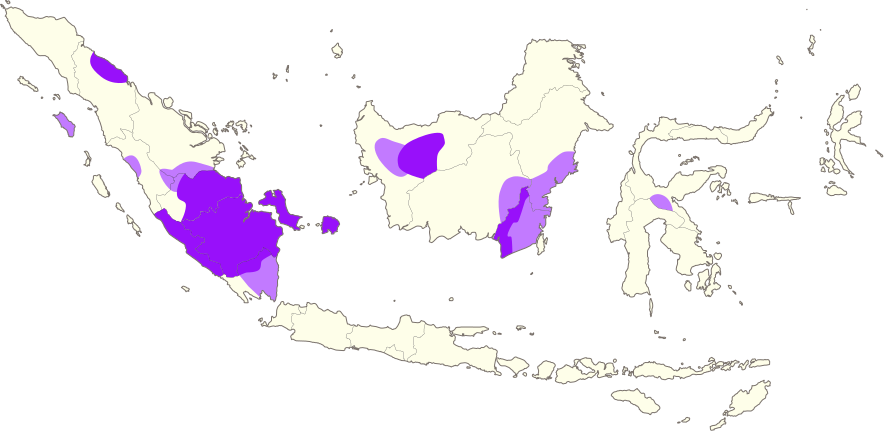
Rubber tree plantations are mainly found in southern Sumatra, North Sumatra, West Kalimantan and South Kalimantan. The trees can be recognised by their pale bark and characteristic three-part leaves.
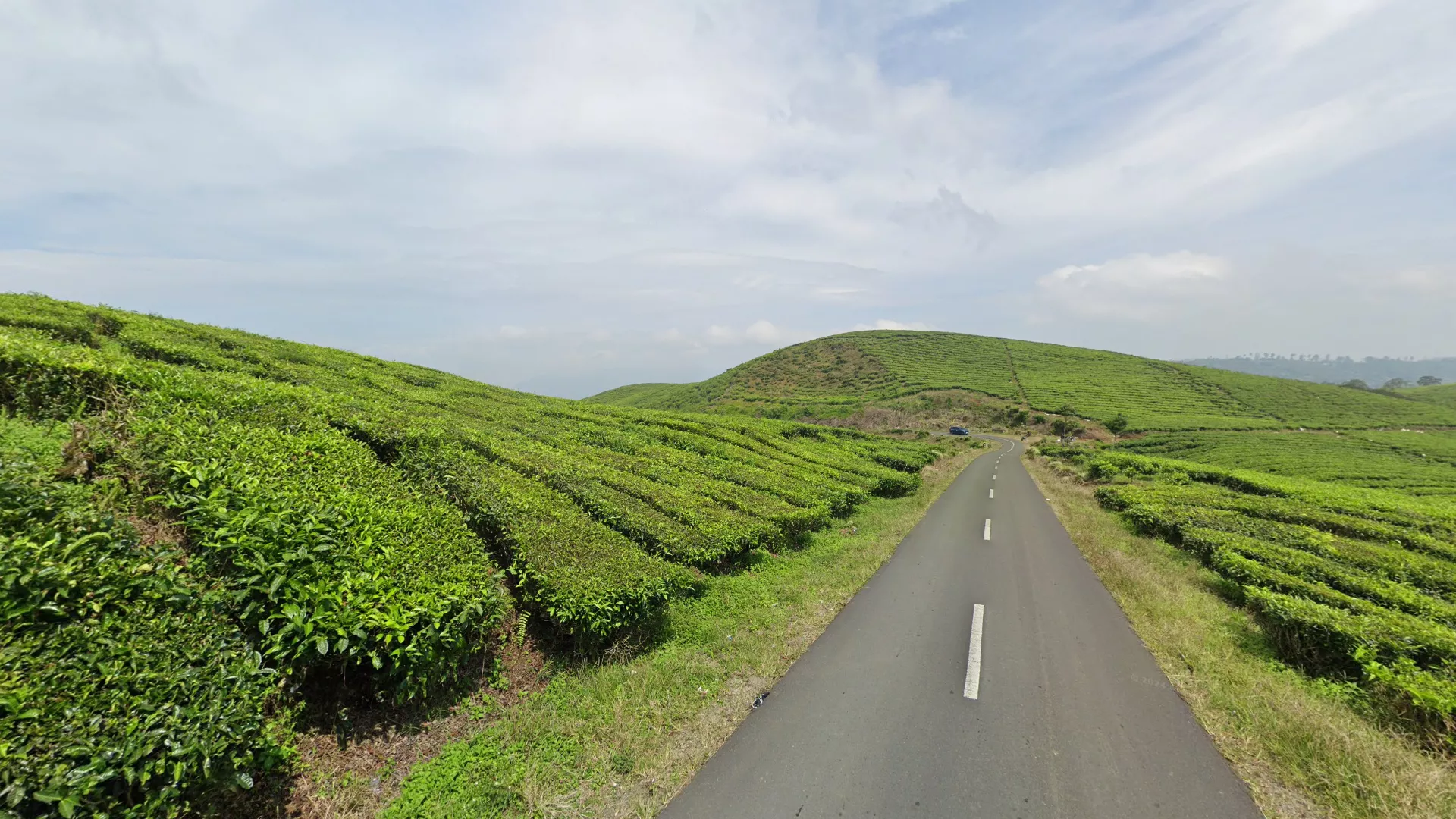
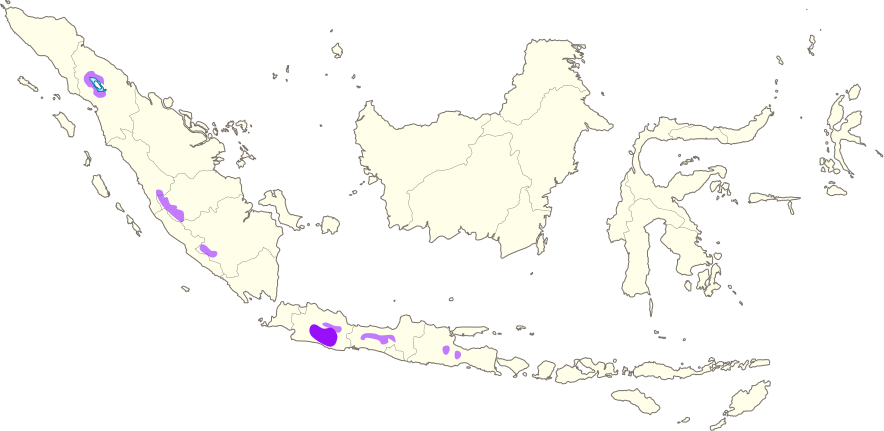
Tea can be recognised by patches of small rectangular bushes. Within Indonesia, it is mainly planted in western Java and less commonly in a few other pockets across Java, Sumatra and Sulawesi.
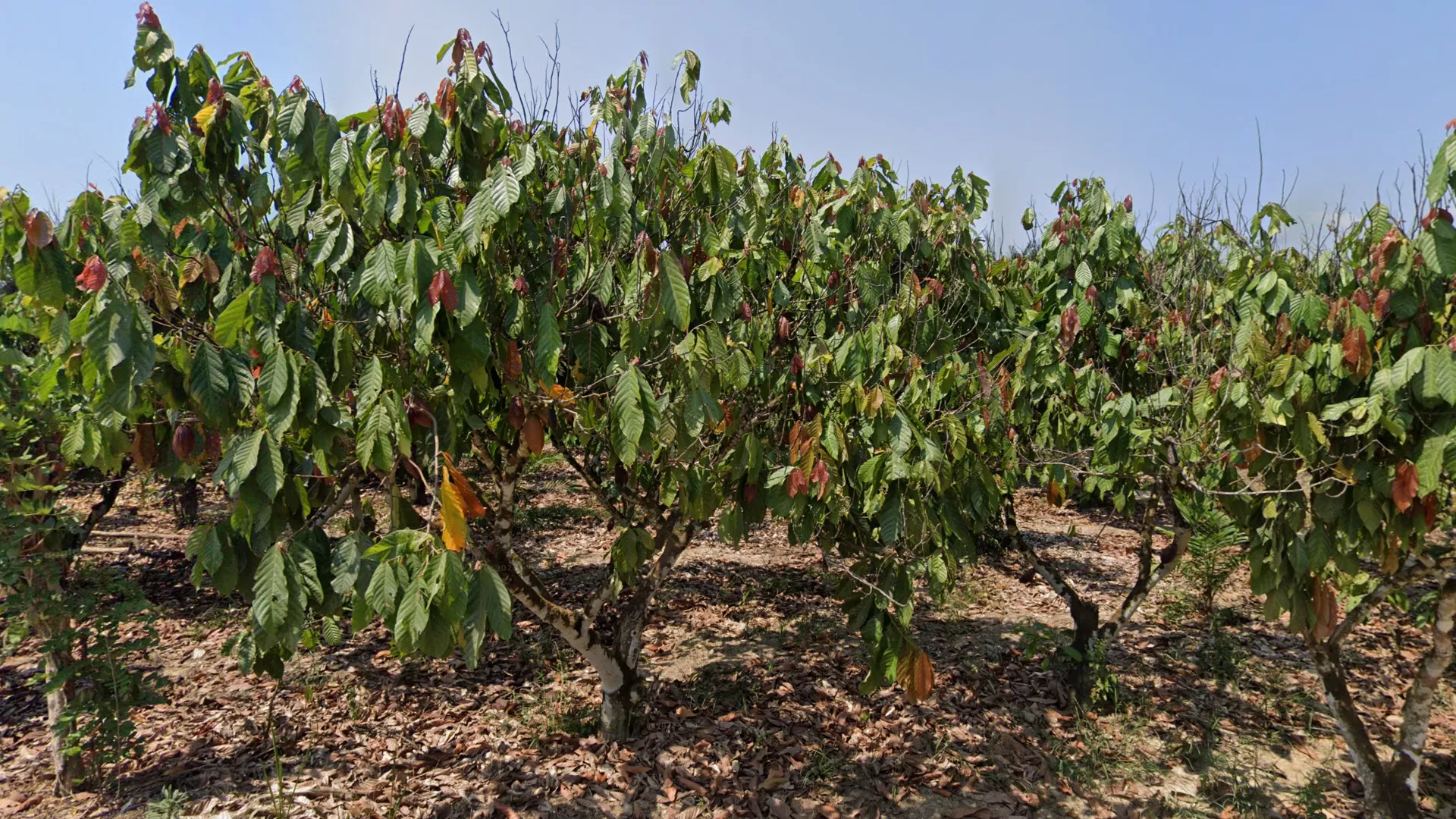
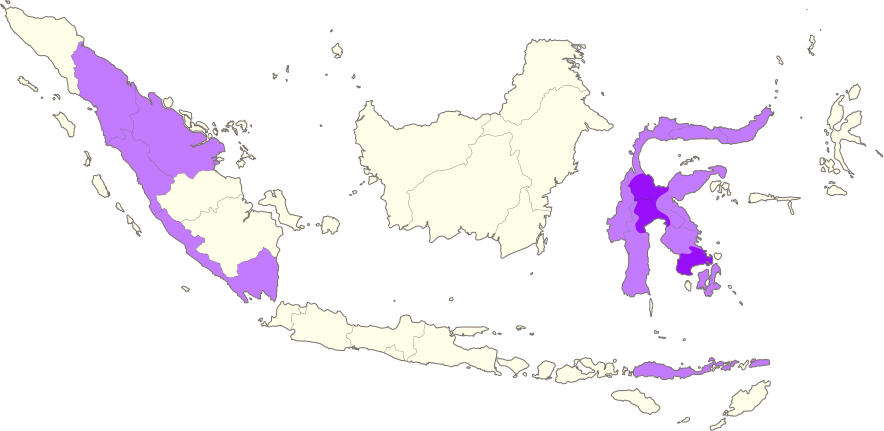
Cocoa (Theobroma cacao) can be recognised by its relatively large oval leaves and by there often being red or brown leaves visible on the tree. Sometimes the fruits in the form of cocoa pods can also be spotted. It is mainly seen in Sulawesi and western Sumatra.
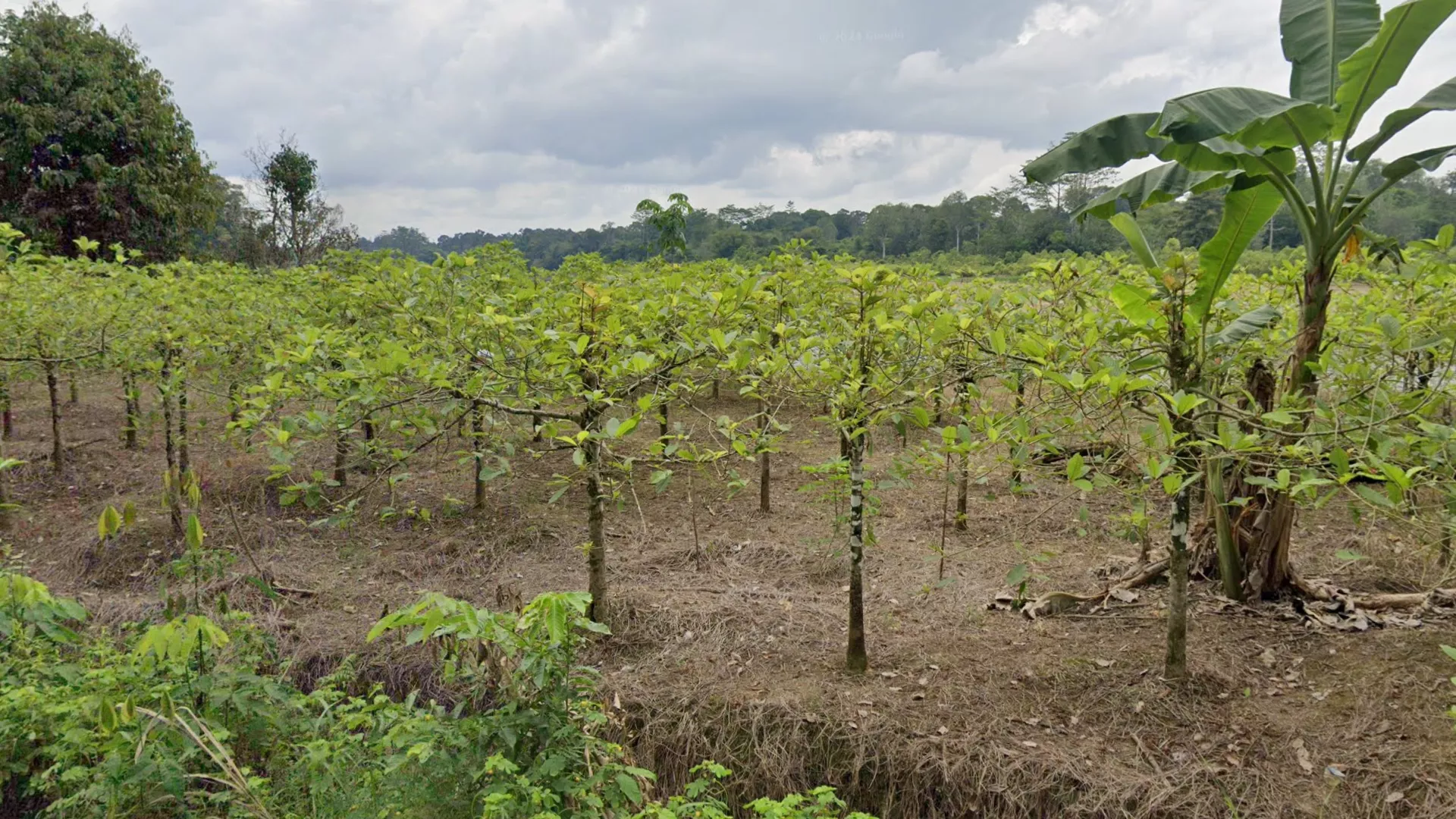
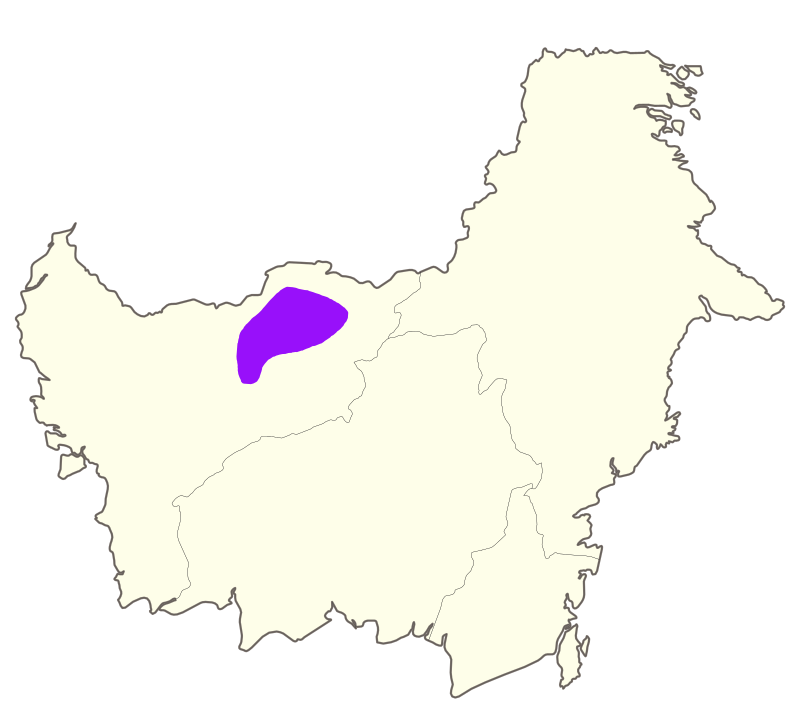
Plantations of kratom are pretty much unique to eastern West Kalimantan, particularly in Kapuas Hulu Regency. It can be found in large fields (mostly near Putussibau) as well in small plantations or even as lone trees next to houses.
Kratom fields sit on low, wet ground and look sparse: neat rows of trees with wide gaps between them. The trees are often cut low giving them a flat “mushroom top” for easy picking. Up close, the leaves are large, droopy and come in opposite pairs. In season, you’ll see small cream-coloured balls of flowers.
Kratom fields sit on low, wet ground and look sparse: neat rows of trees with wide gaps between them. The trees are often cut low giving them a flat “mushroom top” for easy picking. Up close, the leaves are large, droopy and come in opposite pairs. In season, you’ll see small cream-coloured balls of flowers.
Architecture
Malay Canopies
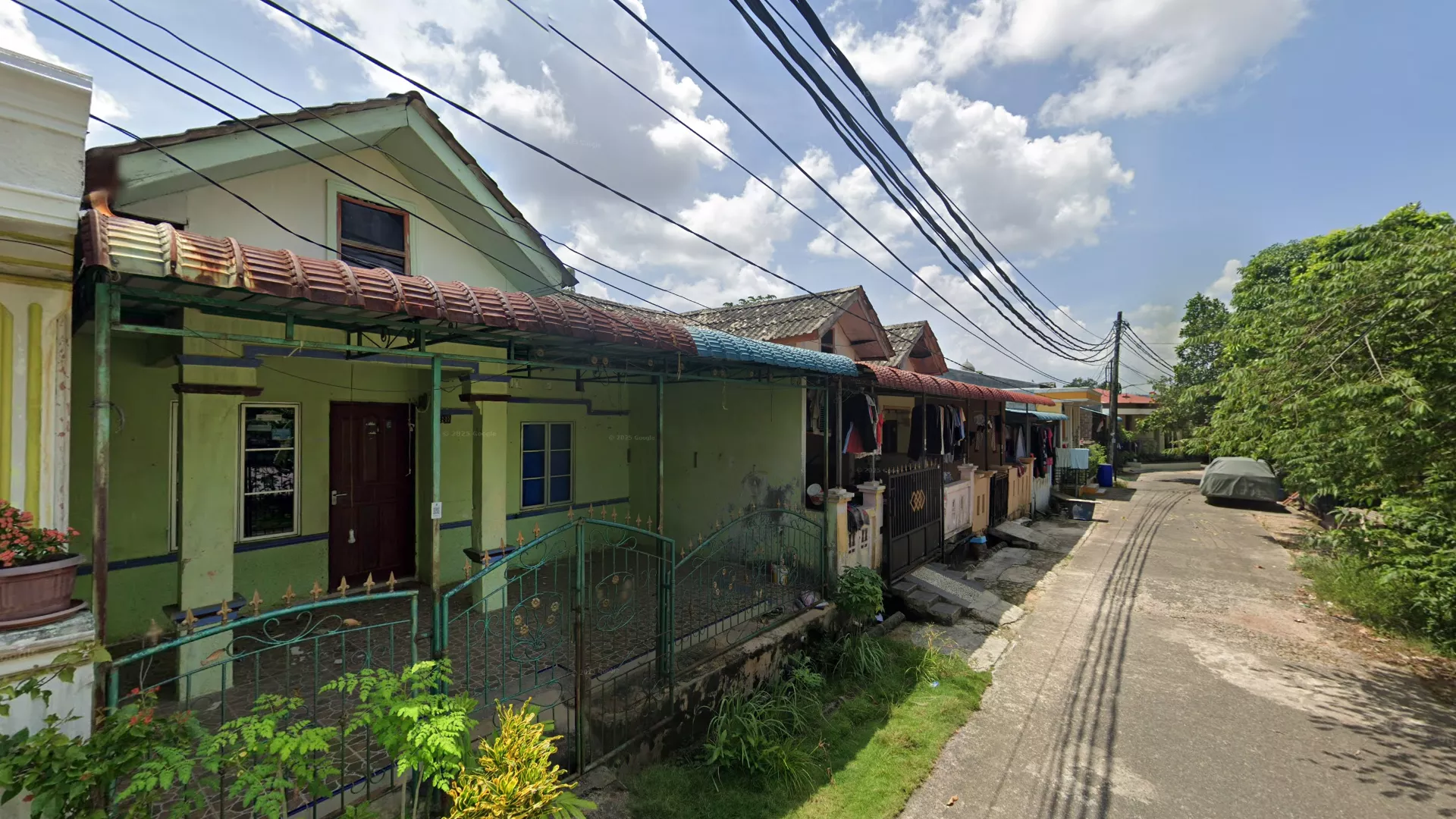
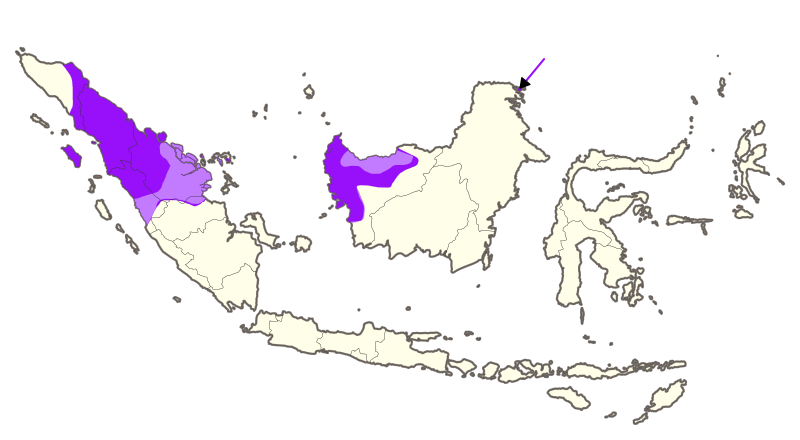
In the regions of Sumatra and Kalimantan that lie opposite Malaysia, many buildings have metal canopies with curved ends. These canopies are often blue or red.
Roof Decoration
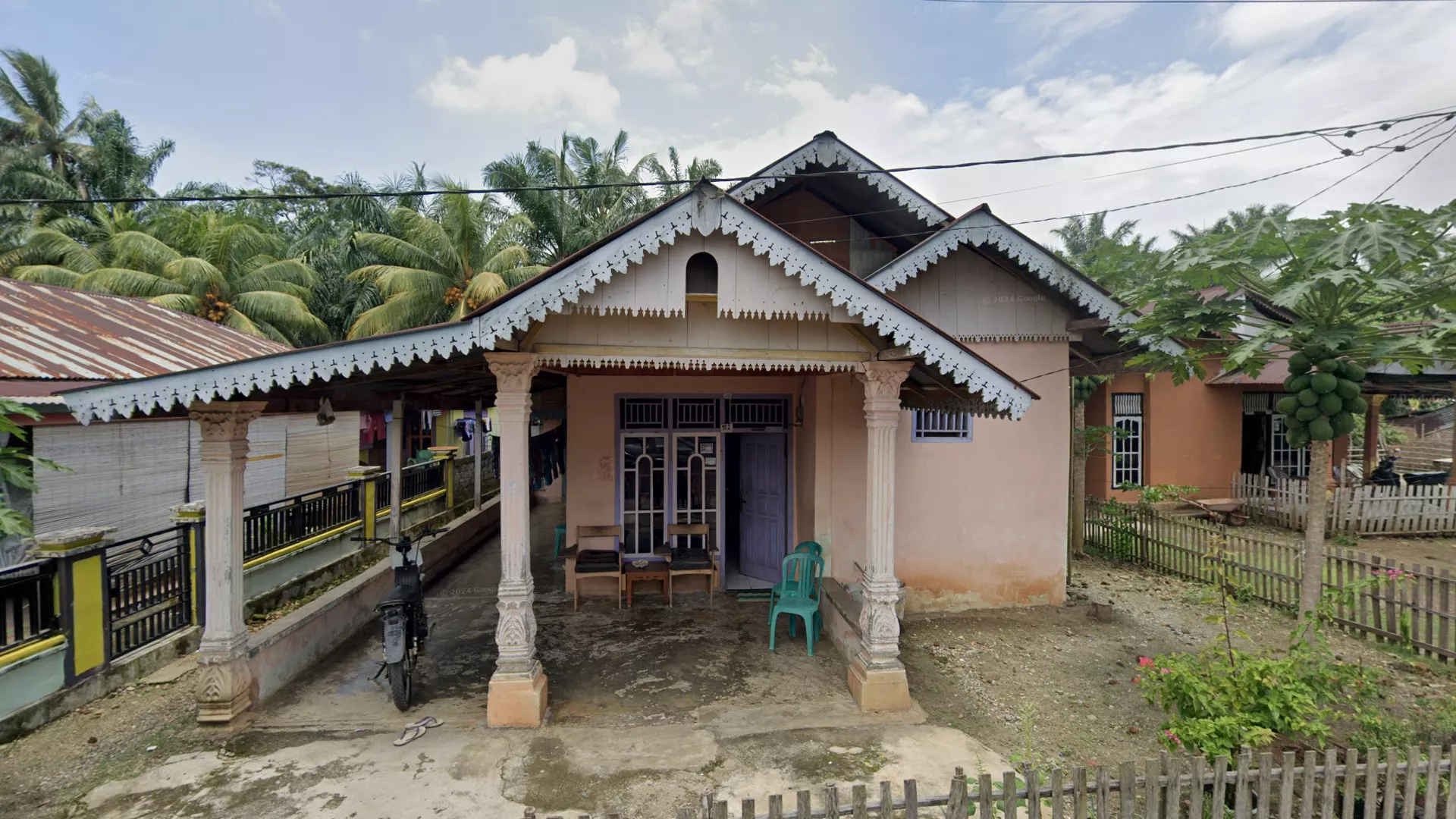
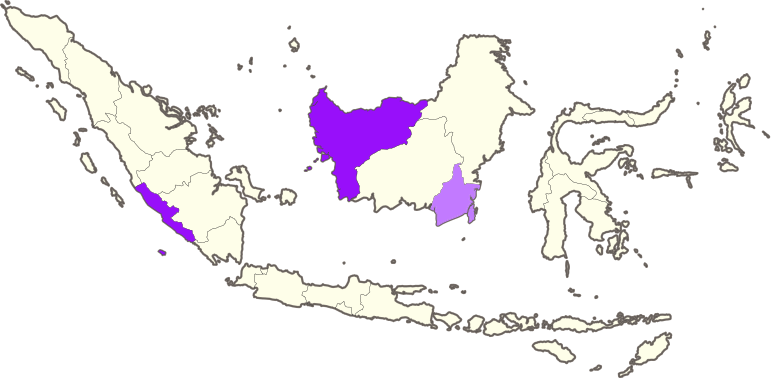
Bargeboards consisting of a carved wooden frieze can be found throughout Bengkulu. This type of roof decoration can also be found in other parts of Indonesia, in particular in West Kalimantan and South Kalimantan.
Gable Horns

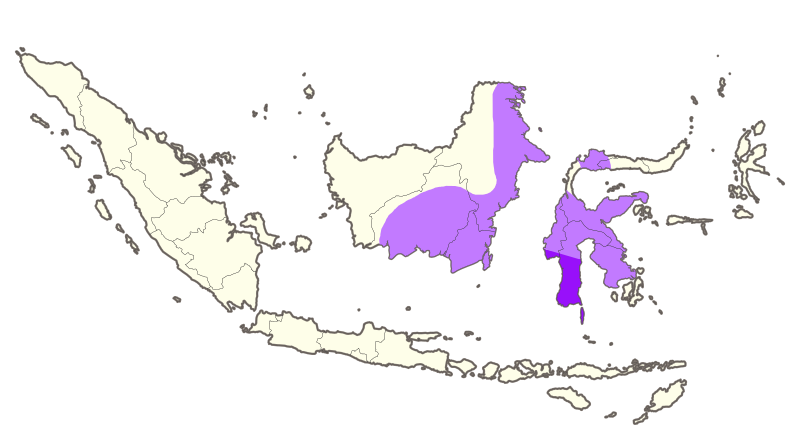
The ‘winged’ gable horn can be distinguished by its serrated lower edge. It is most common in South Sulawesi but can be found on much of the rest of Sulawesi and also in eastern Kalimantan.
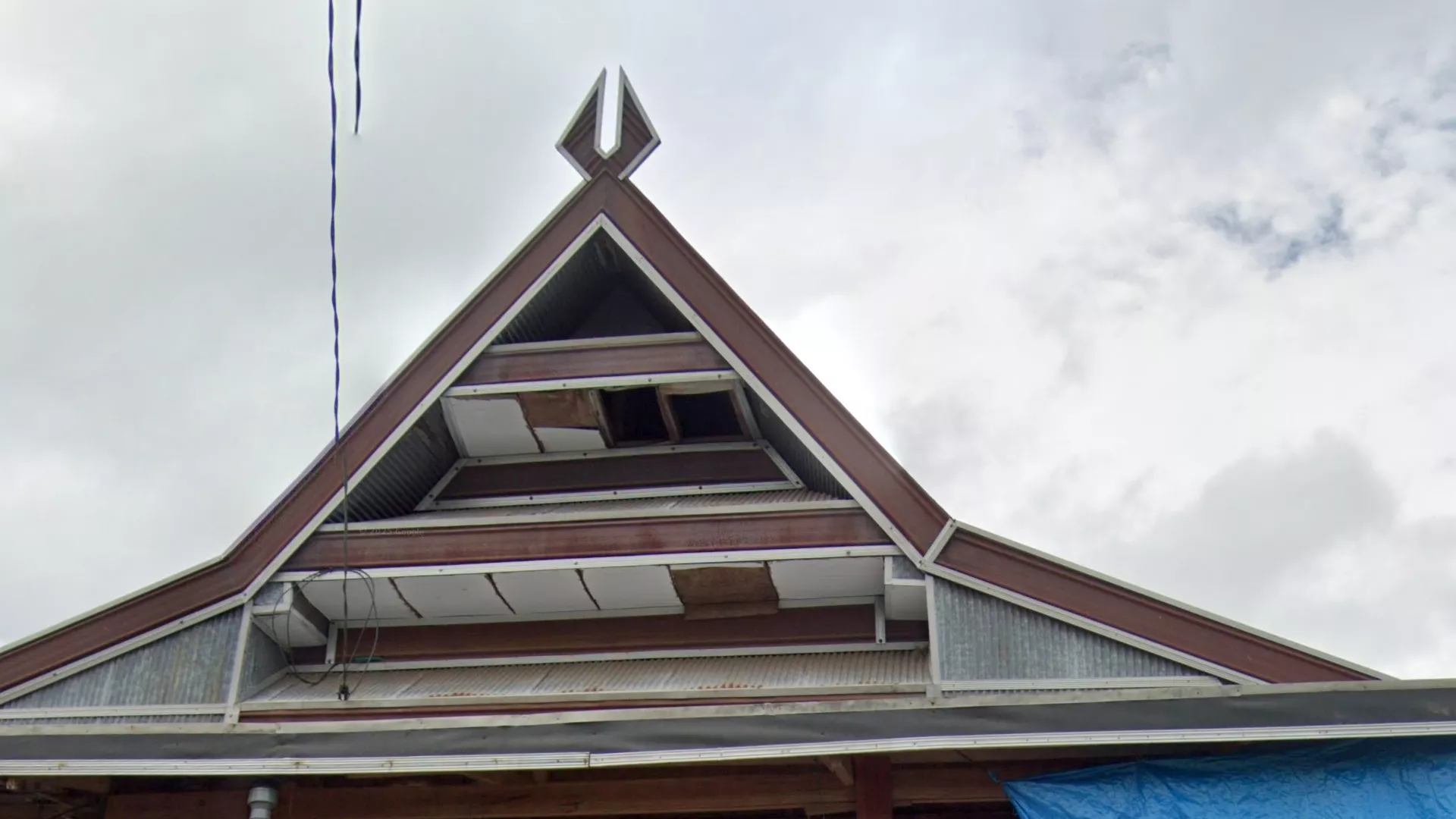
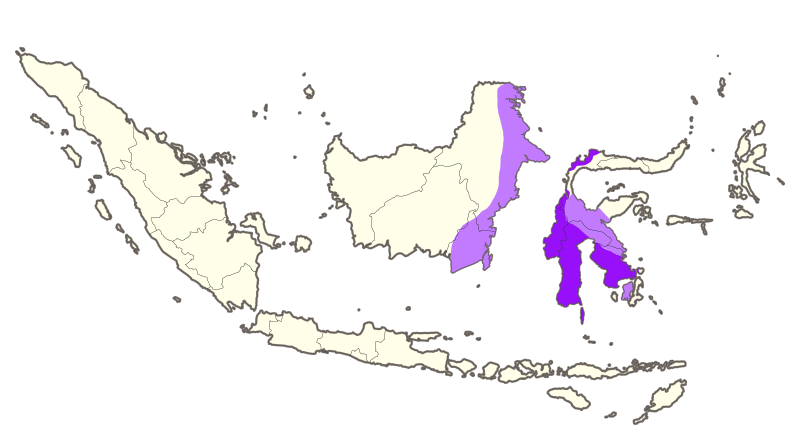
Buffalo horn roof ornaments have a similar distribution to ‘winged’ gable horns but are notably more common in South East Sulawesi and West Sulawesi.
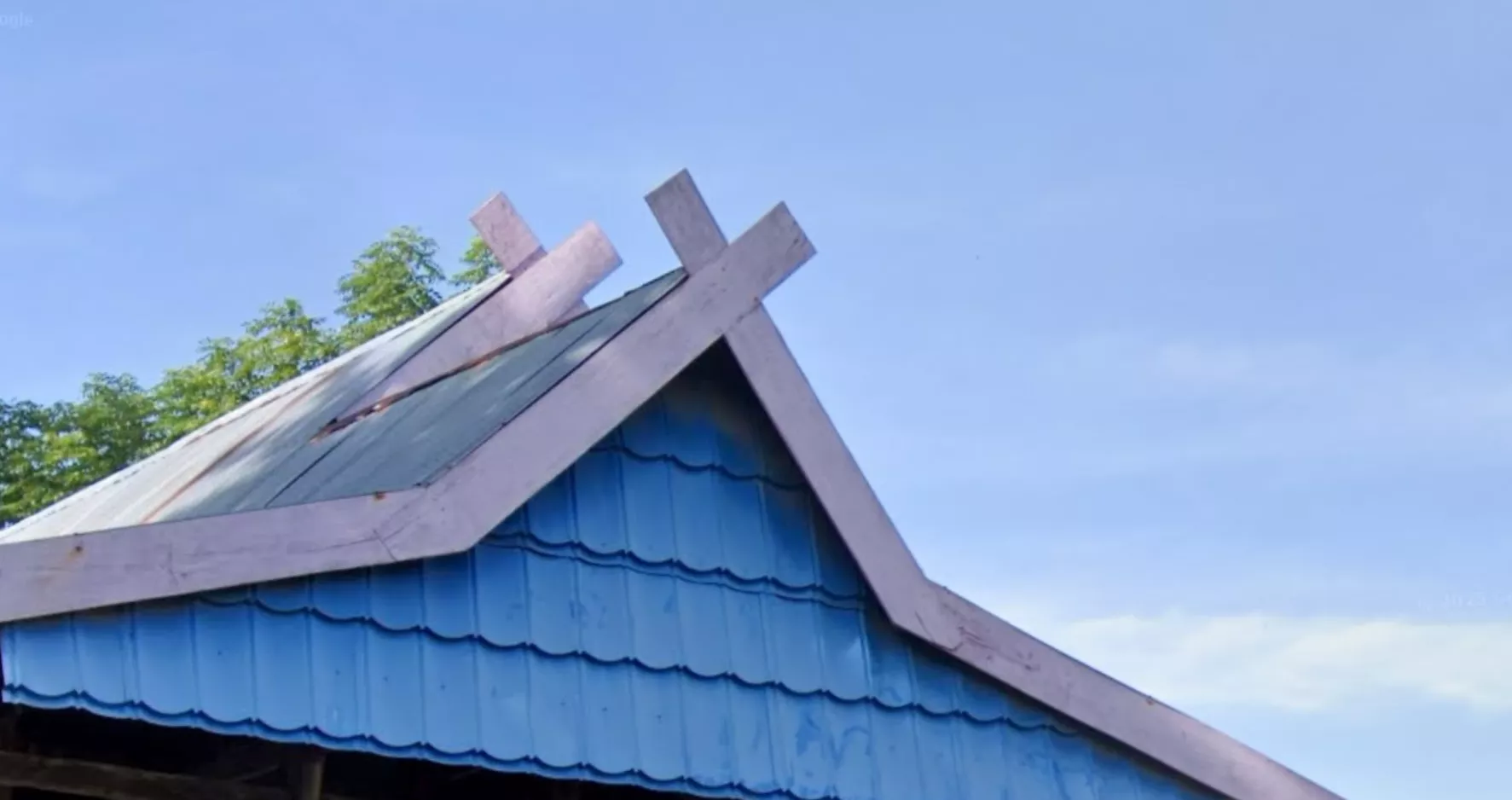
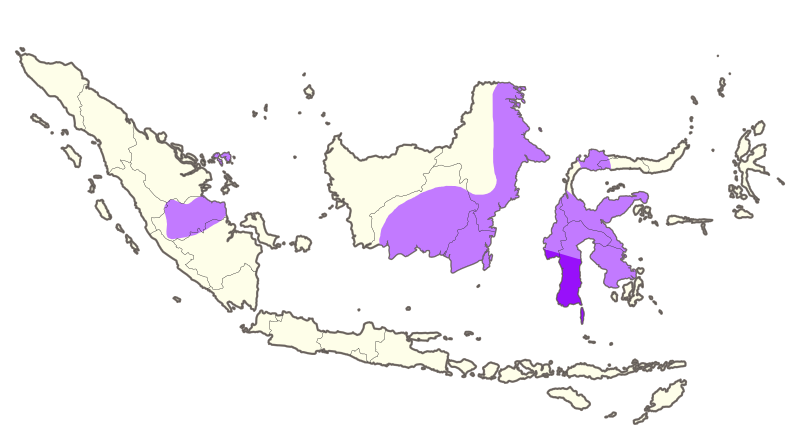
X-shaped horns again share a similar distribution, but can also sometimes be found in Jambi and on the Riau Islands.
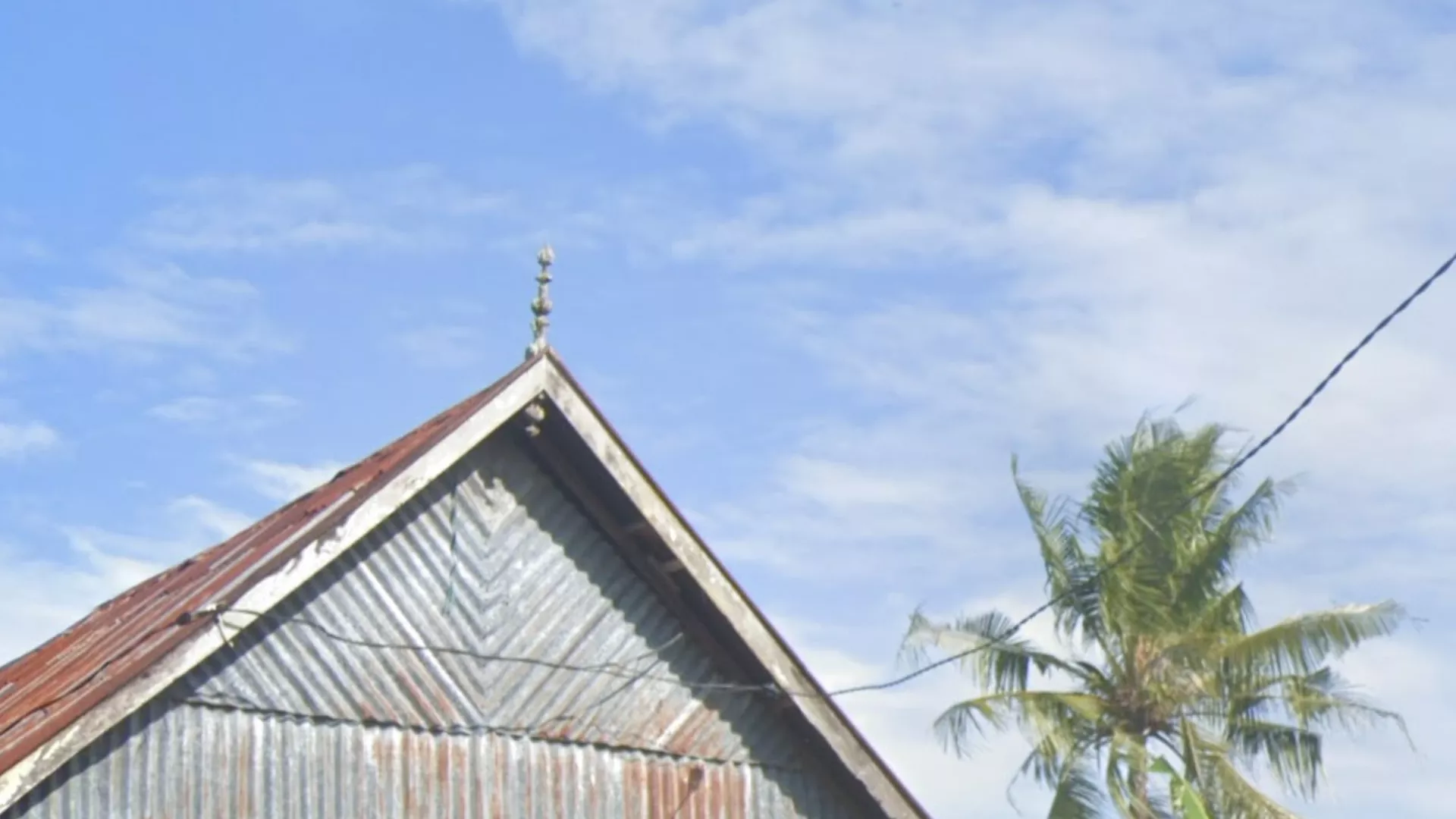
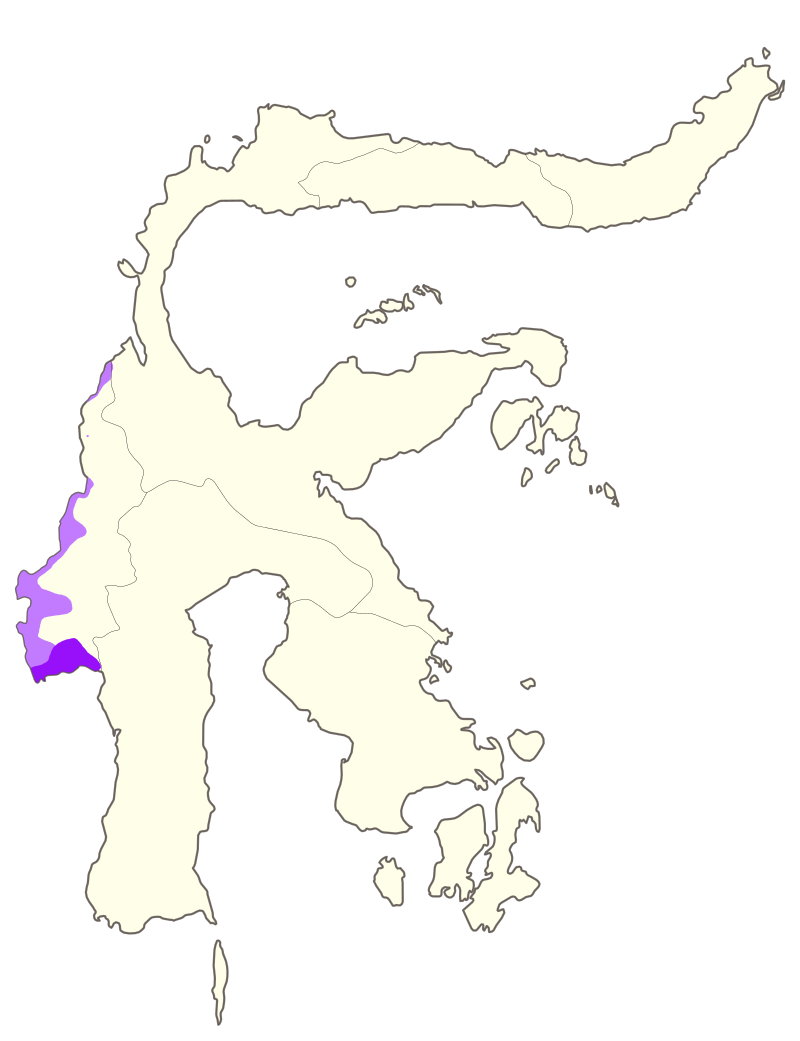
Vertical finials are largely limited to West Sulawesi.
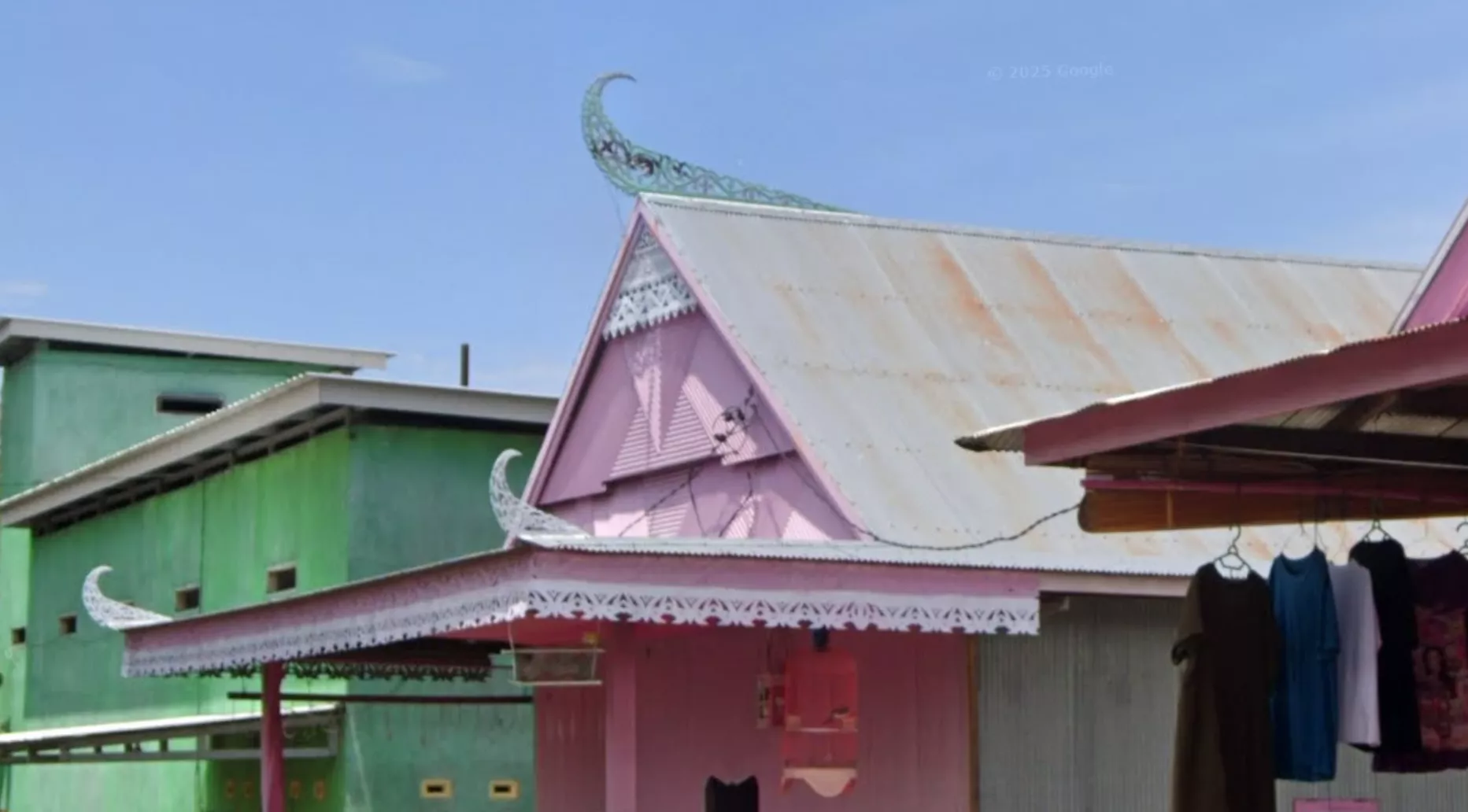
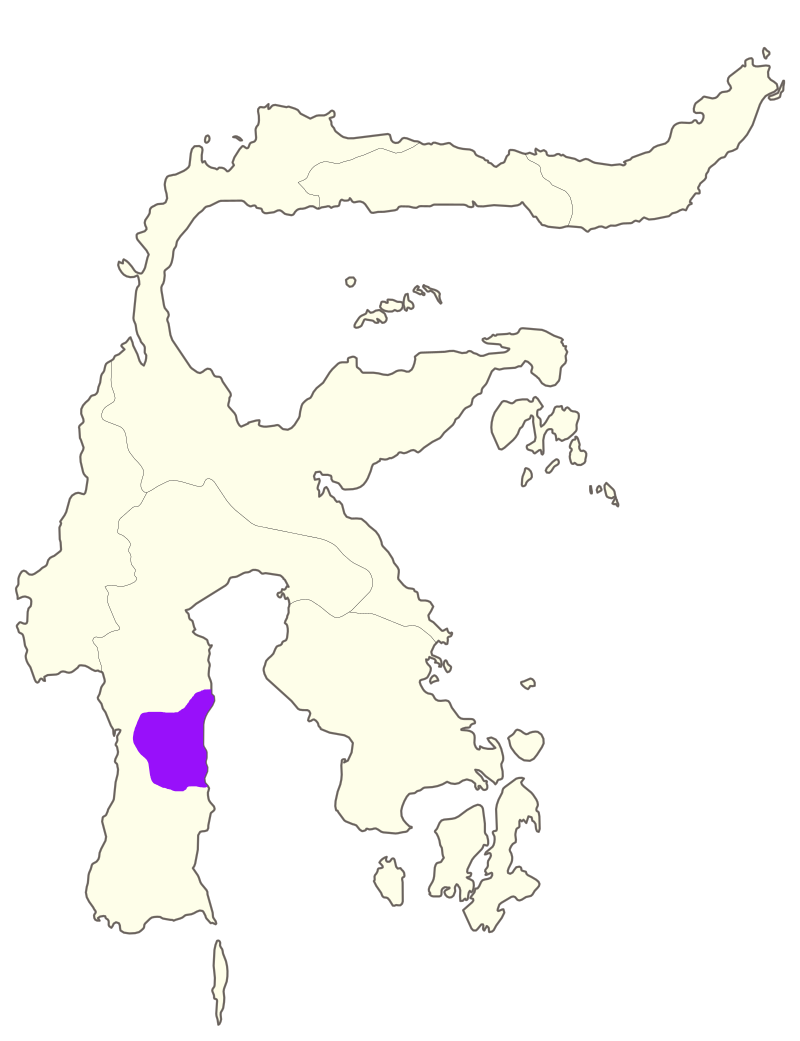
This roof ornament with an upward curling shape, resembling a breaking wave, is exclusive to South Sulawesi, and specifically to Wajo Regency.
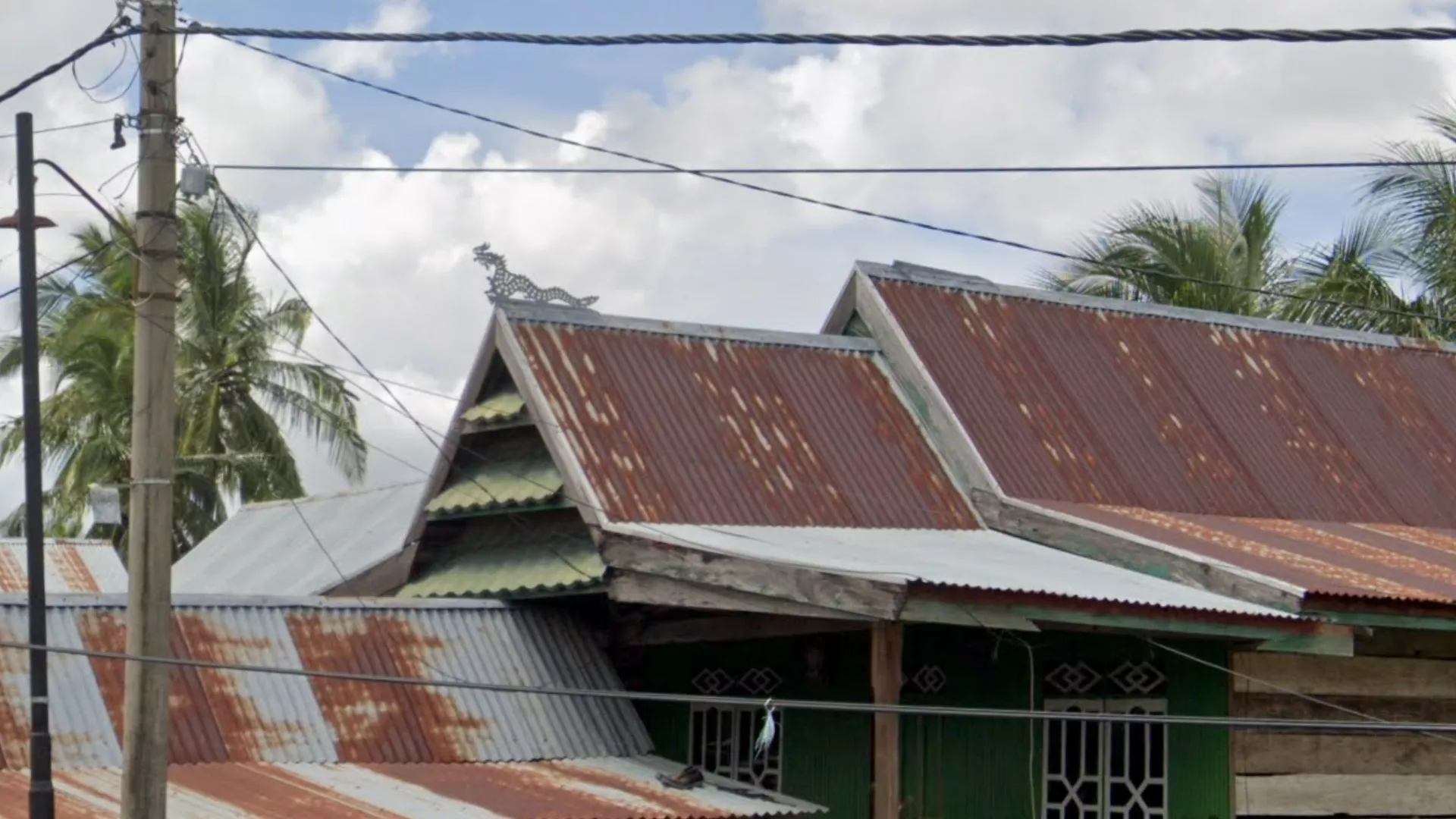
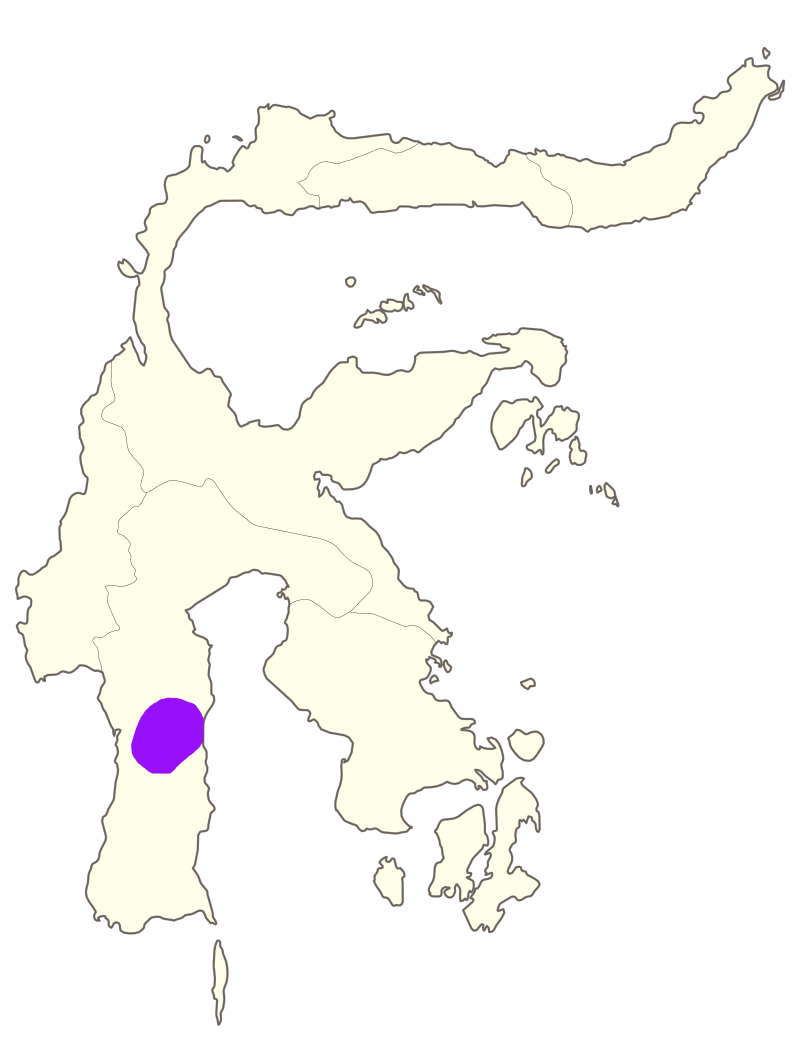
In Wajo Regency you can also sometimes find gable ornaments in the shape of a snake-like dragon with a raised head.
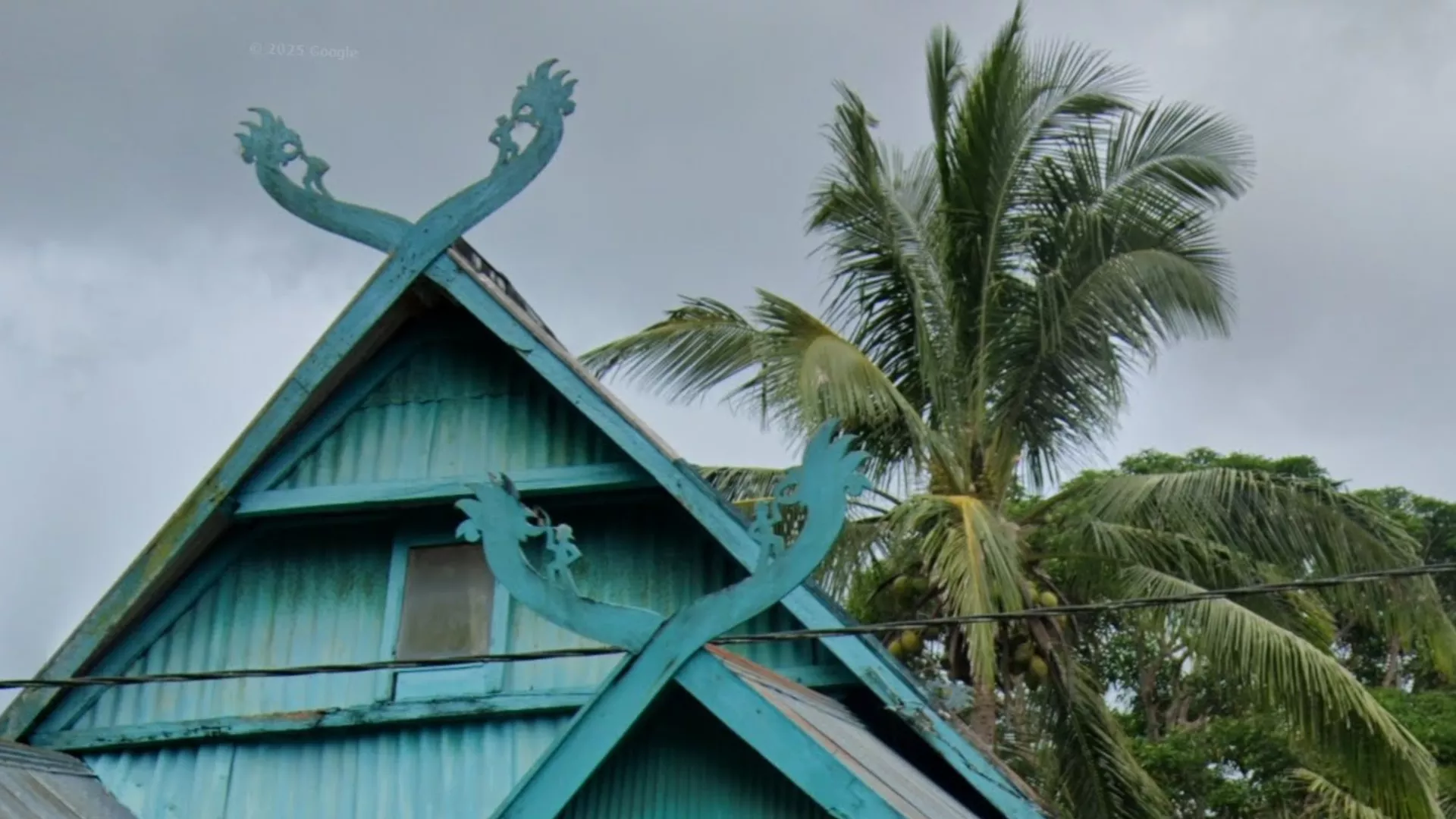
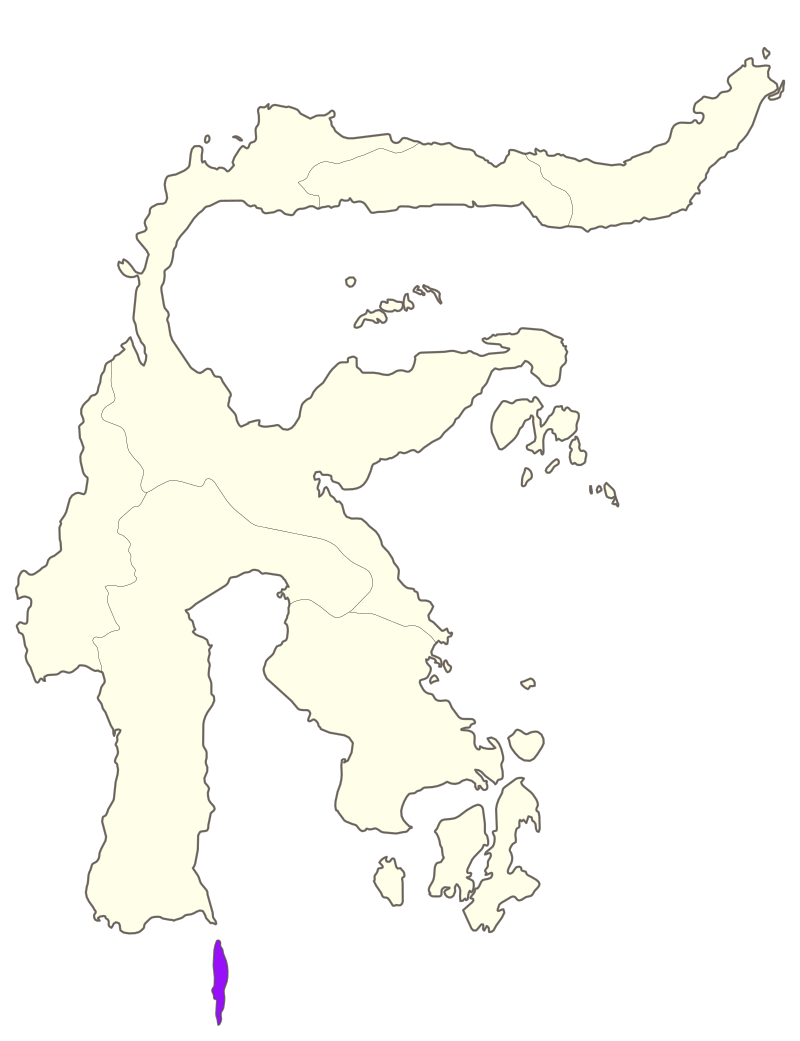
On Selayar Island you can find gable horns consisting of crossed rooster heads, sometimes also with little figures of people alongside.
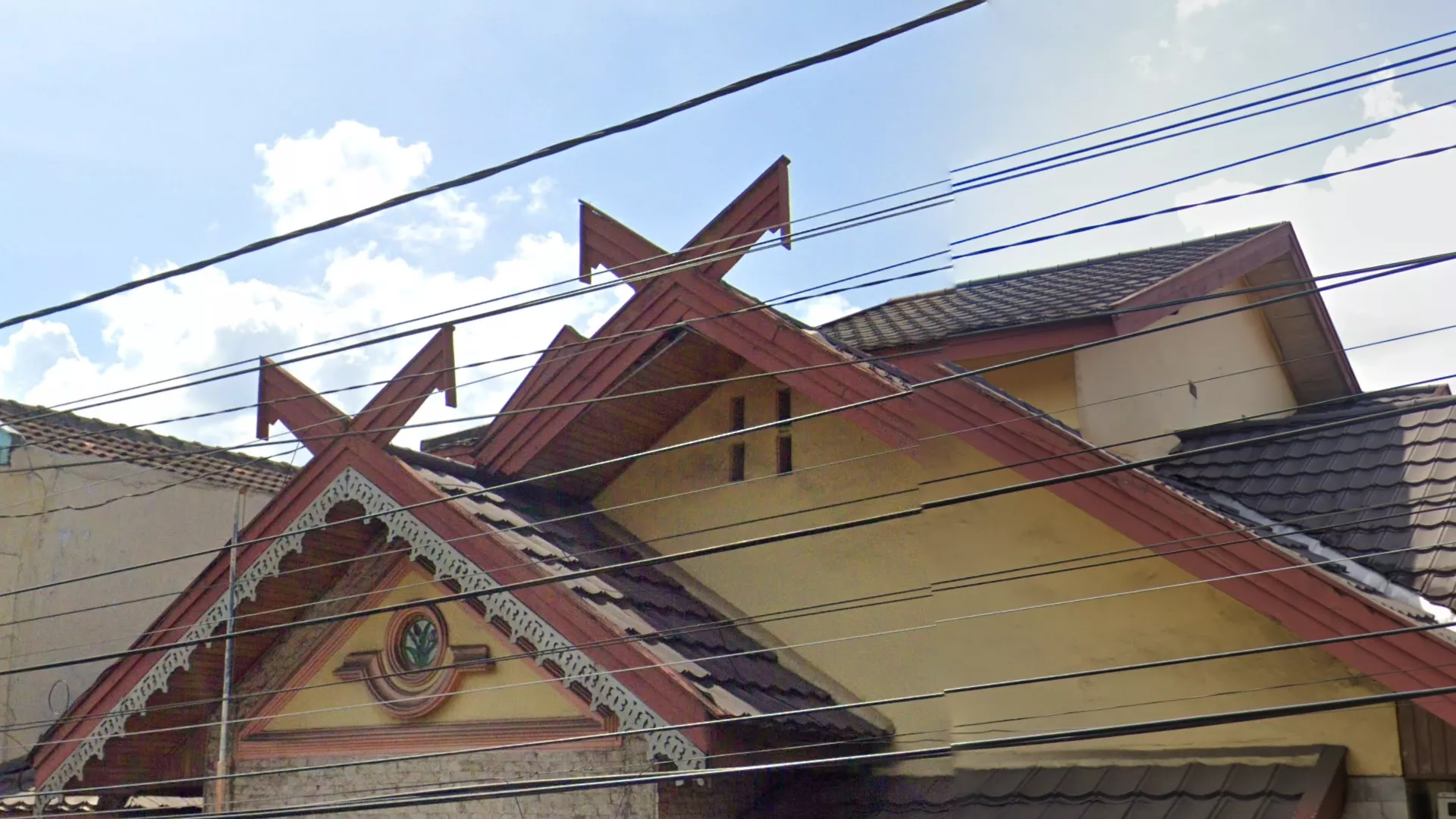
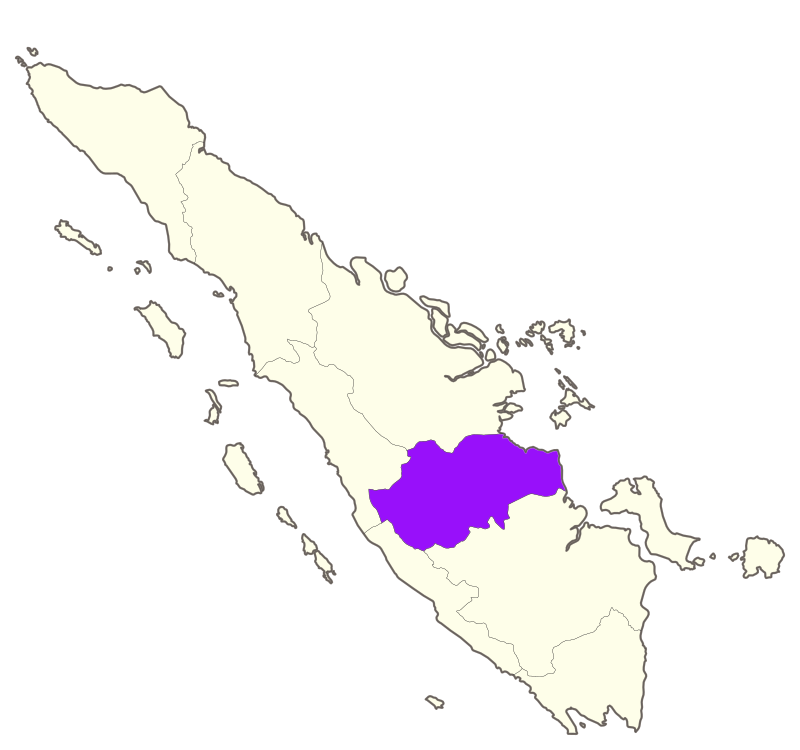
In Jambi, you can find gable horns consisting of two hooks with downward-pointing ends.
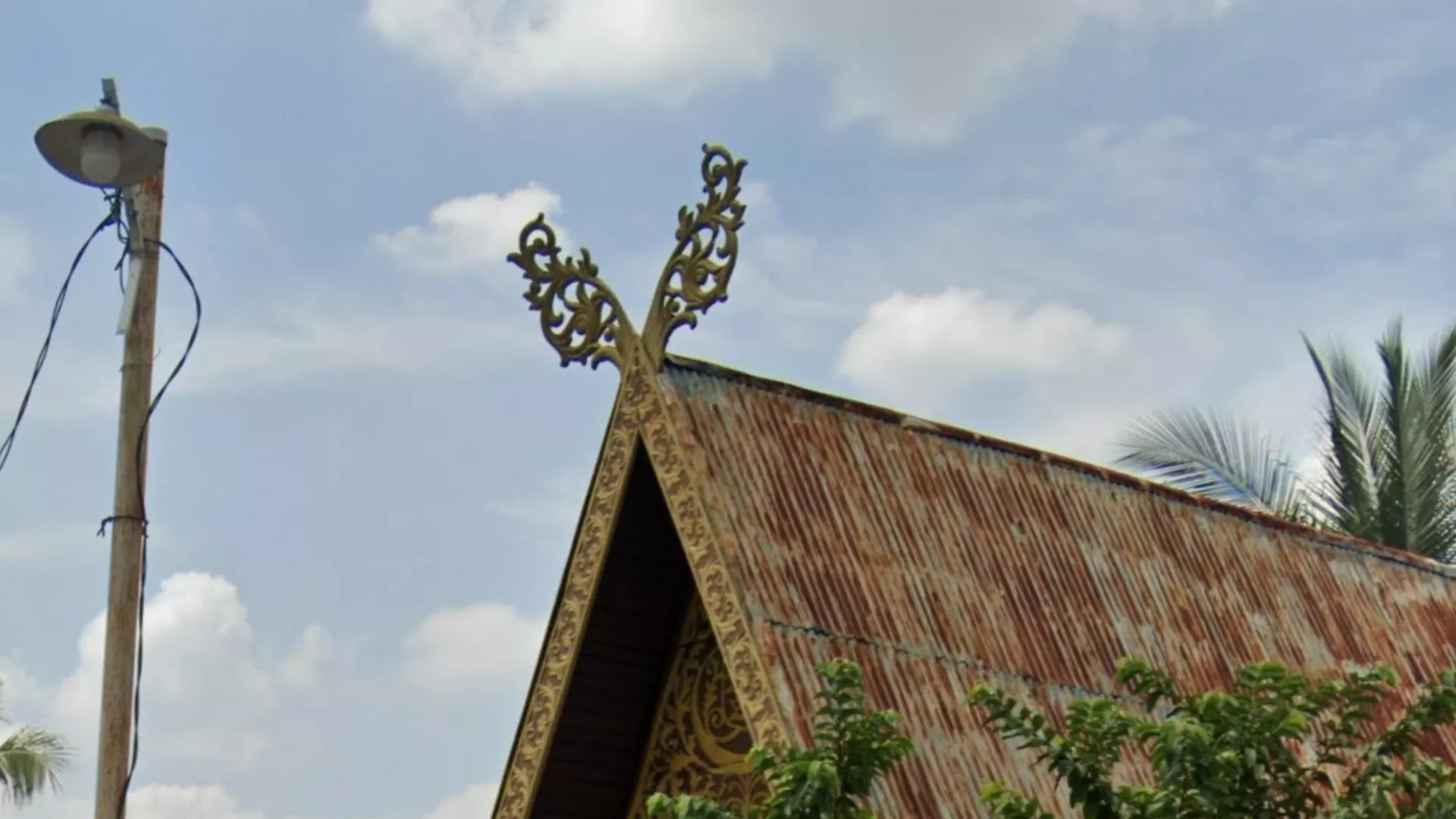
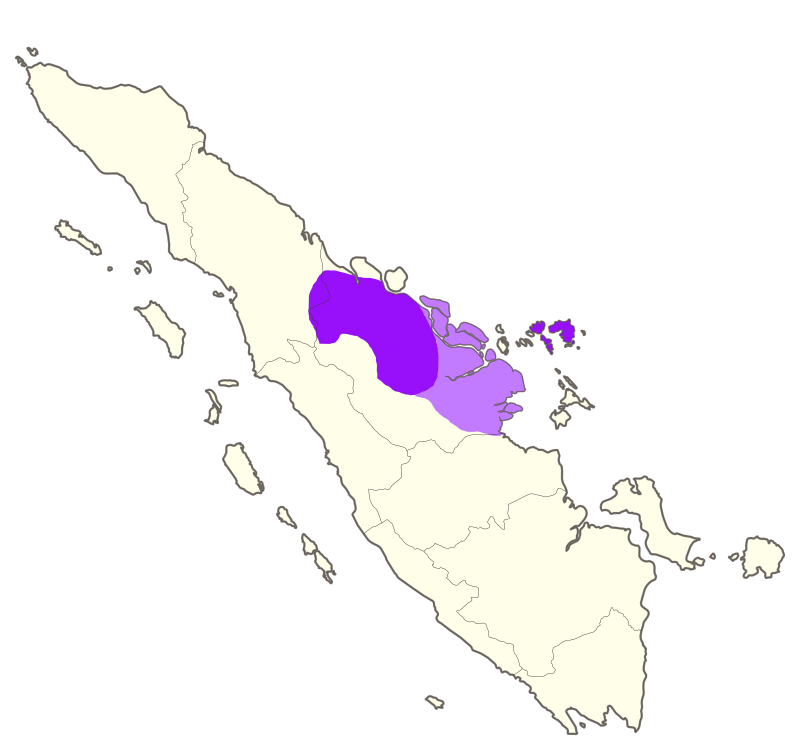
These gable horns with rich floral patterns that resemble antlers are found mostly in Riau and on the Riau Islands. These gable horns will often be seen accompanied by similar floral decorations on the gable itself.
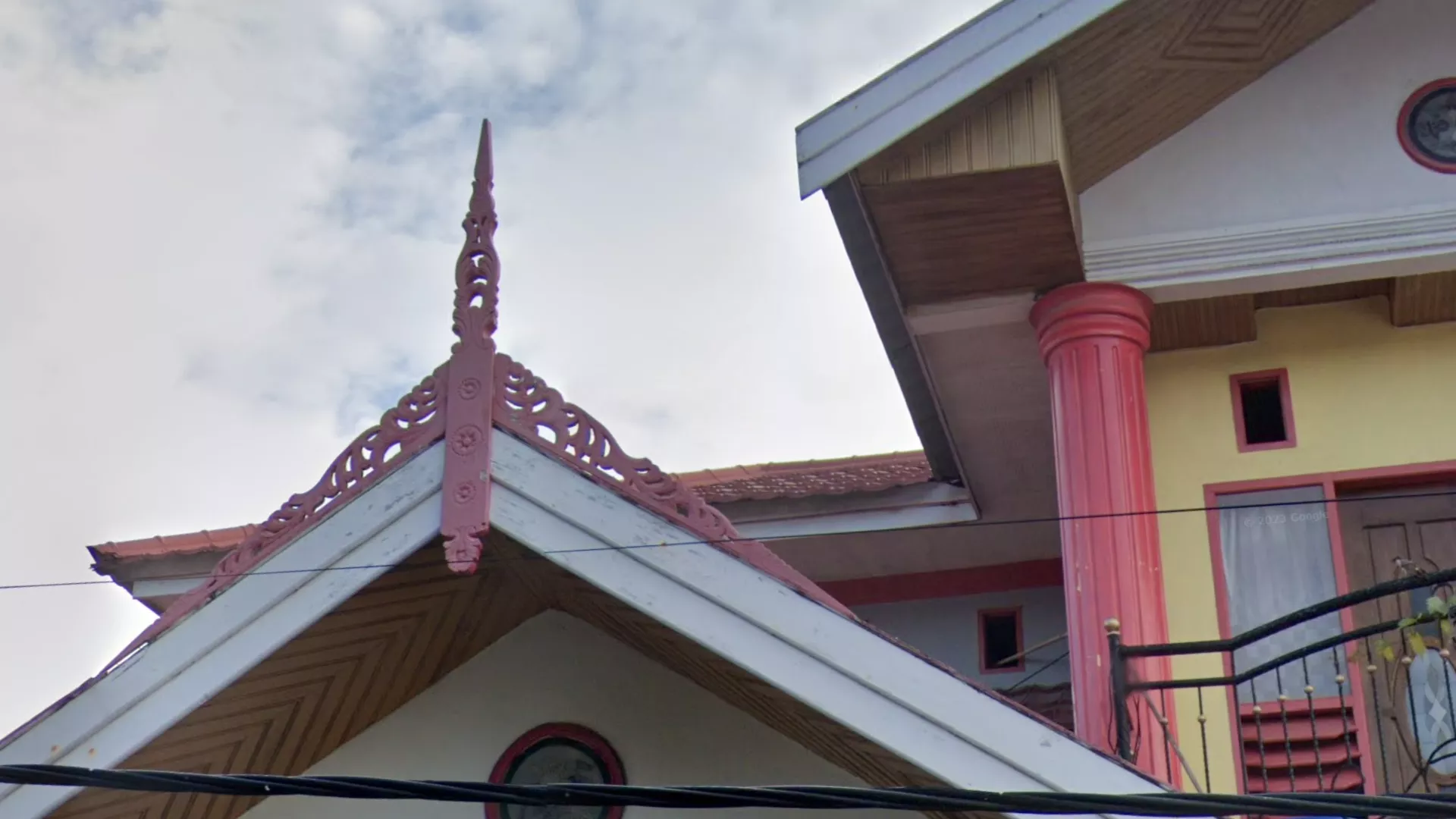
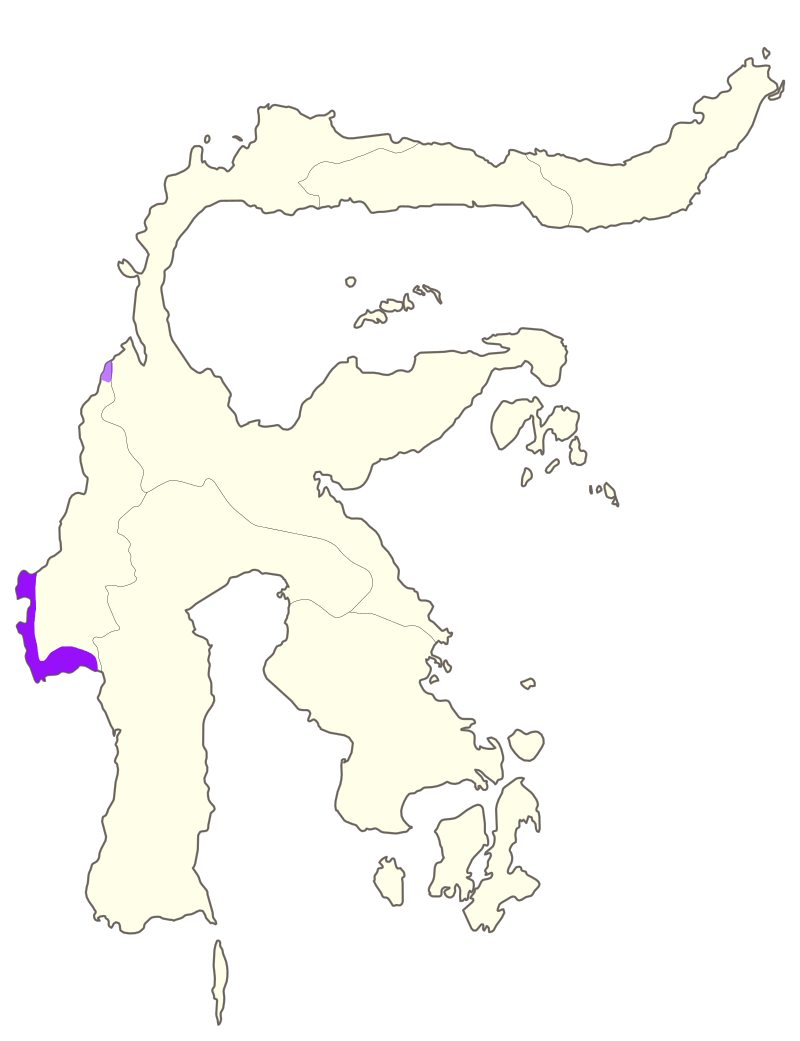
This roof ornament is characterised by its intricate foliate design and its composition of three parts: one vertical and two along the sides of the roof. It is present in West Sulawesi, as well as South Kalimantan.
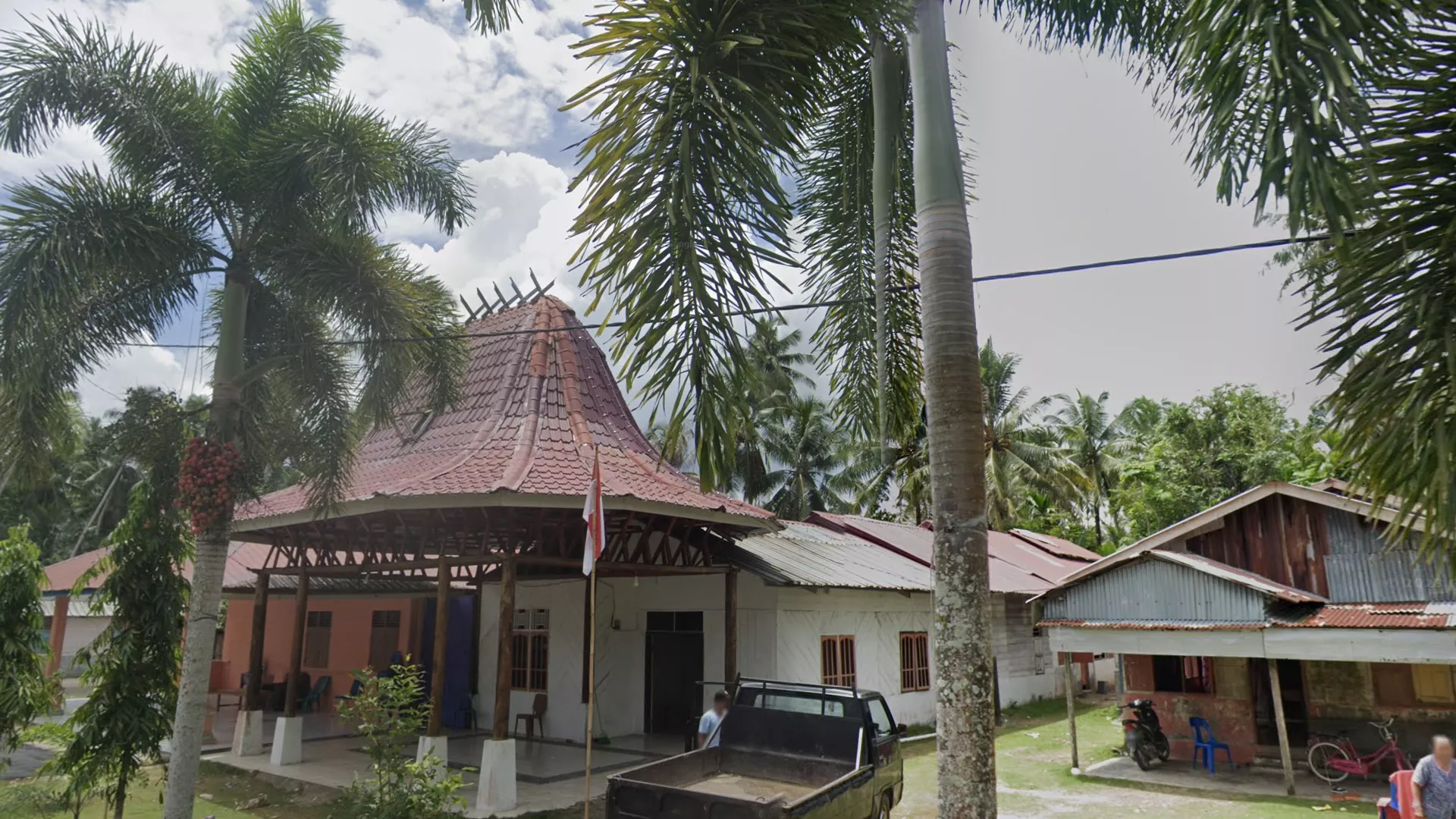
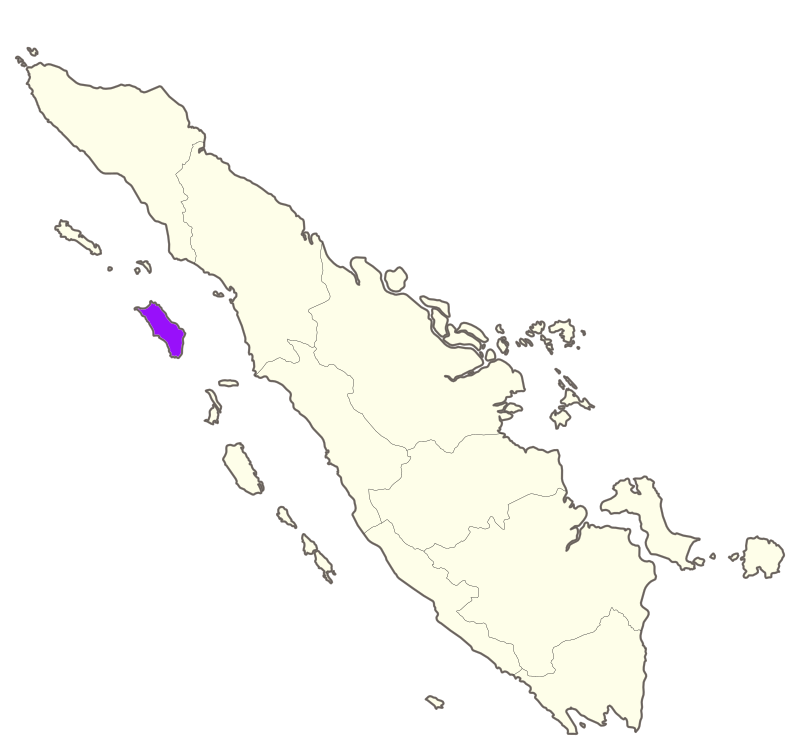
Crossed roof ornaments all along the ridge of the roof are found on Nias Island.
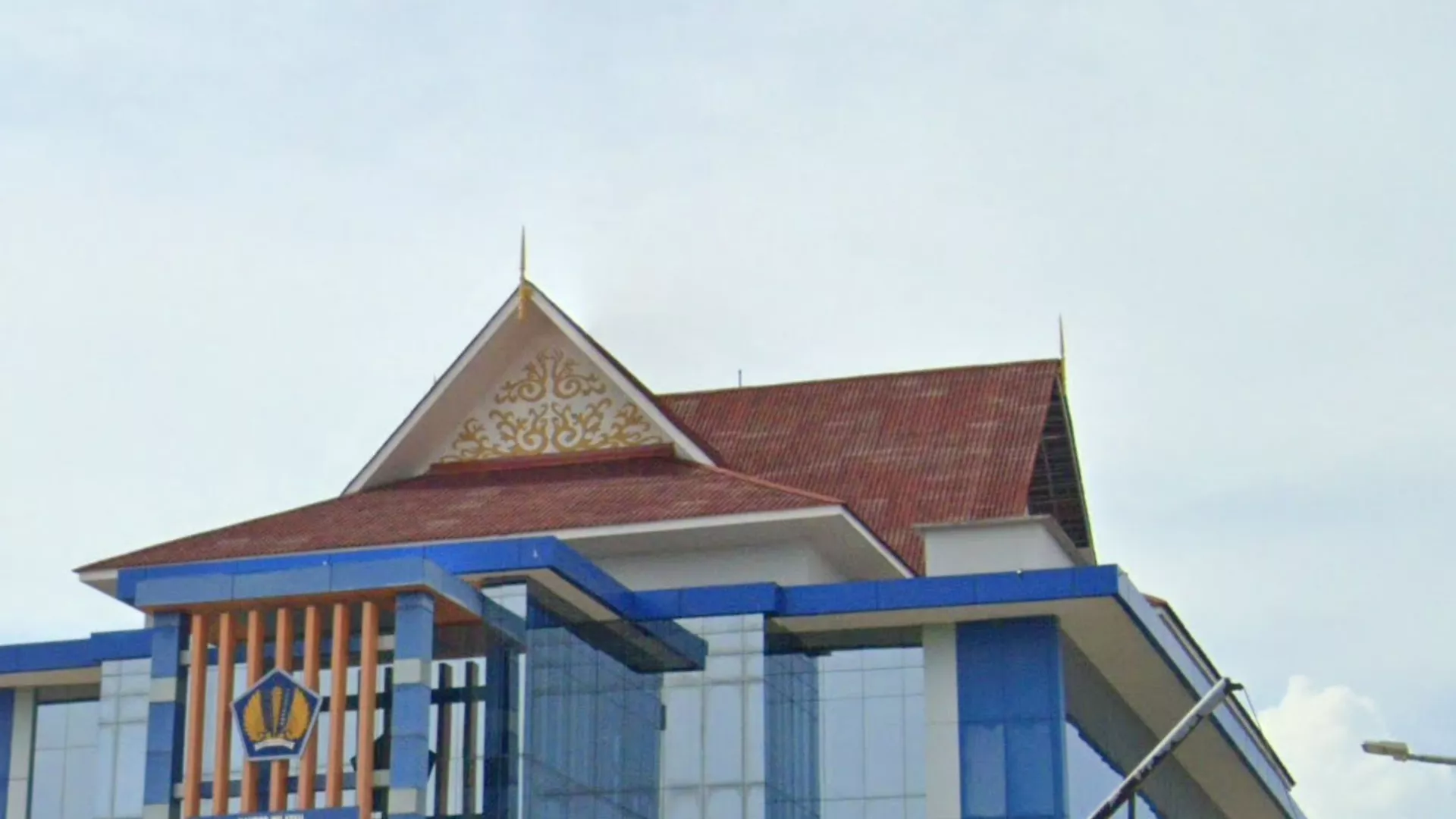
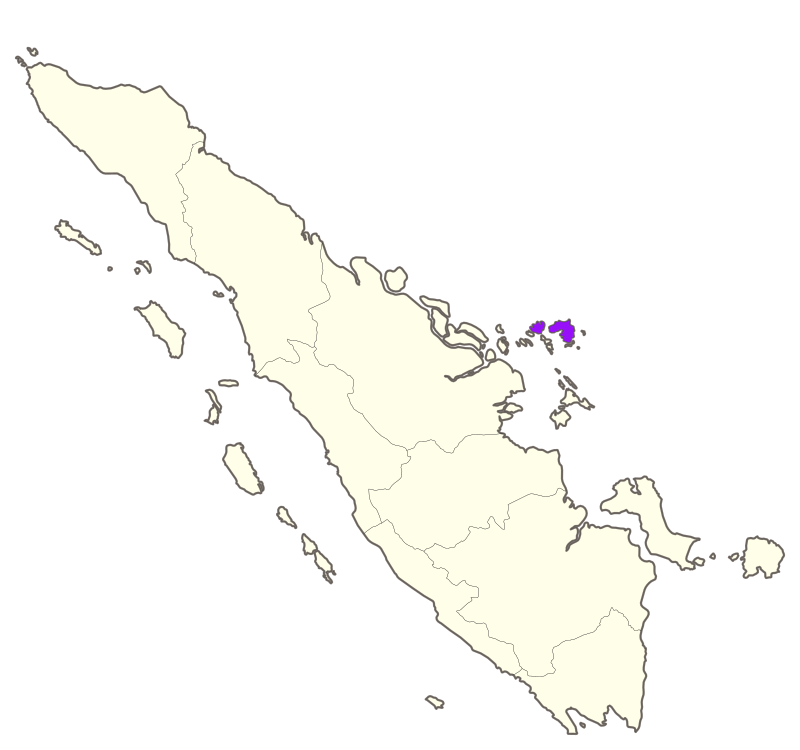
On Batam and Bintan you will often see simple, modern spear-shaped roof ornaments, usually painted gold or yellow, or more rarely white. As with the Riau gable horns, they often accompany floral gable decorations.
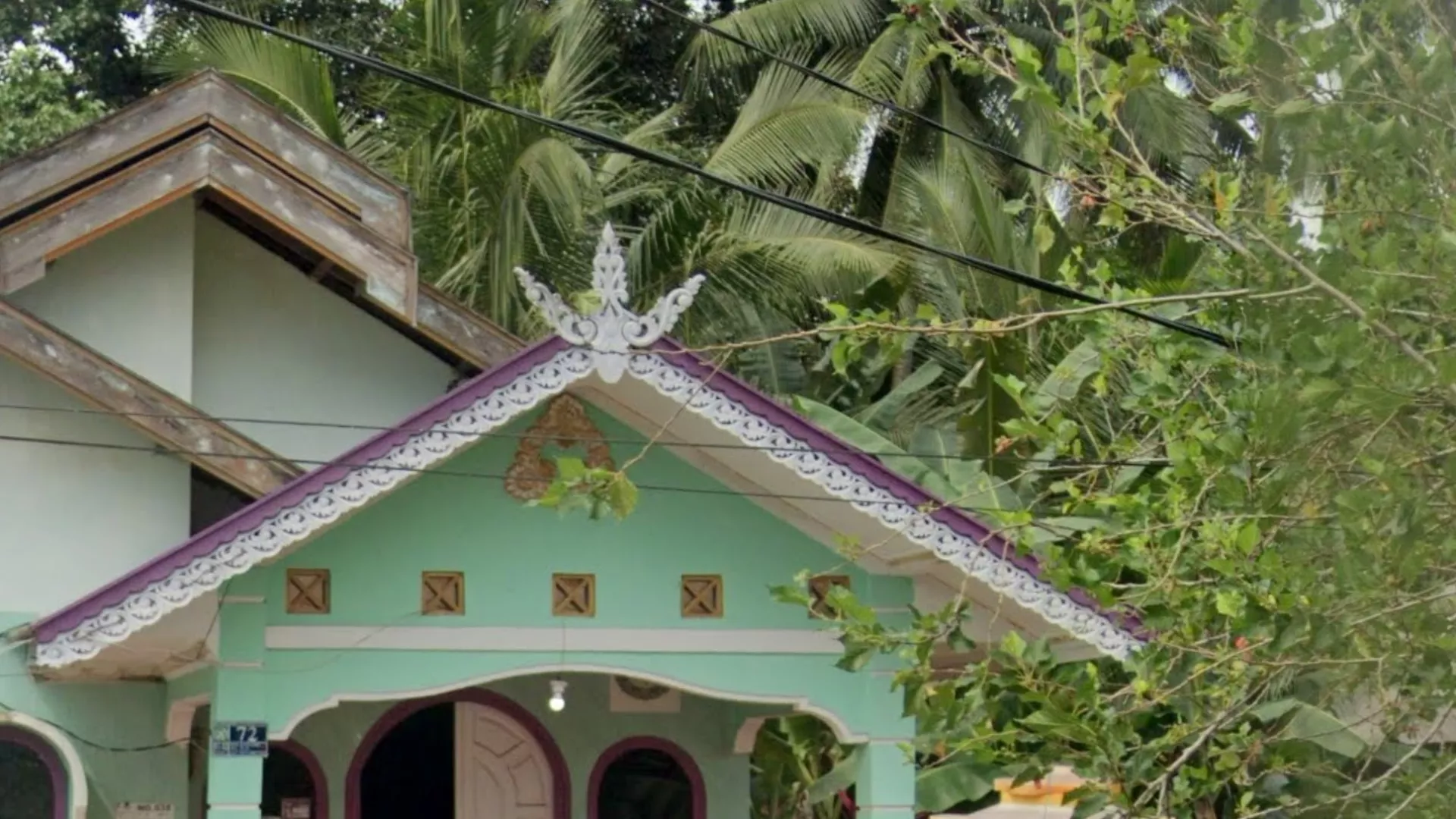
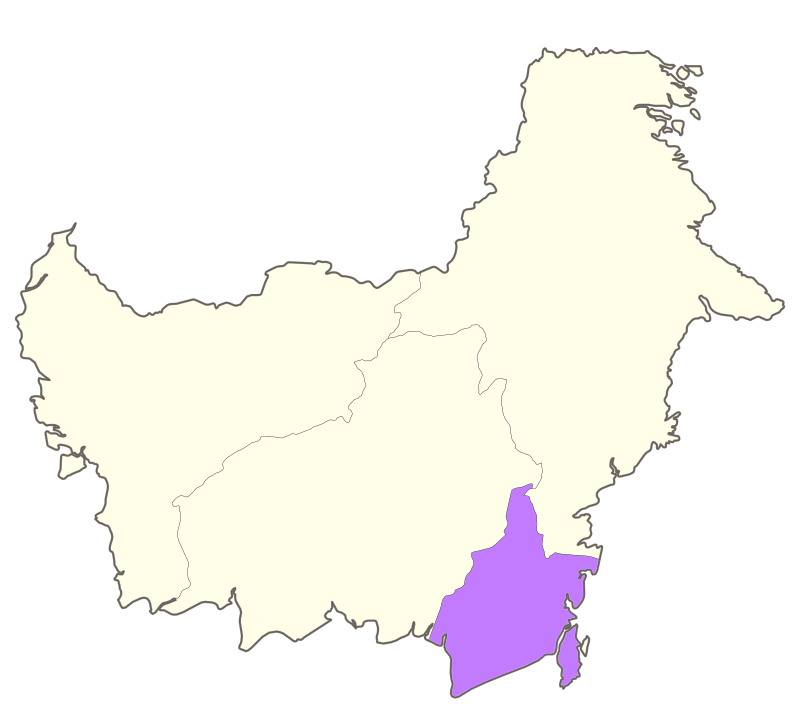
These ornate foliate trident-shaped gable horns are found in South Kalimantan.
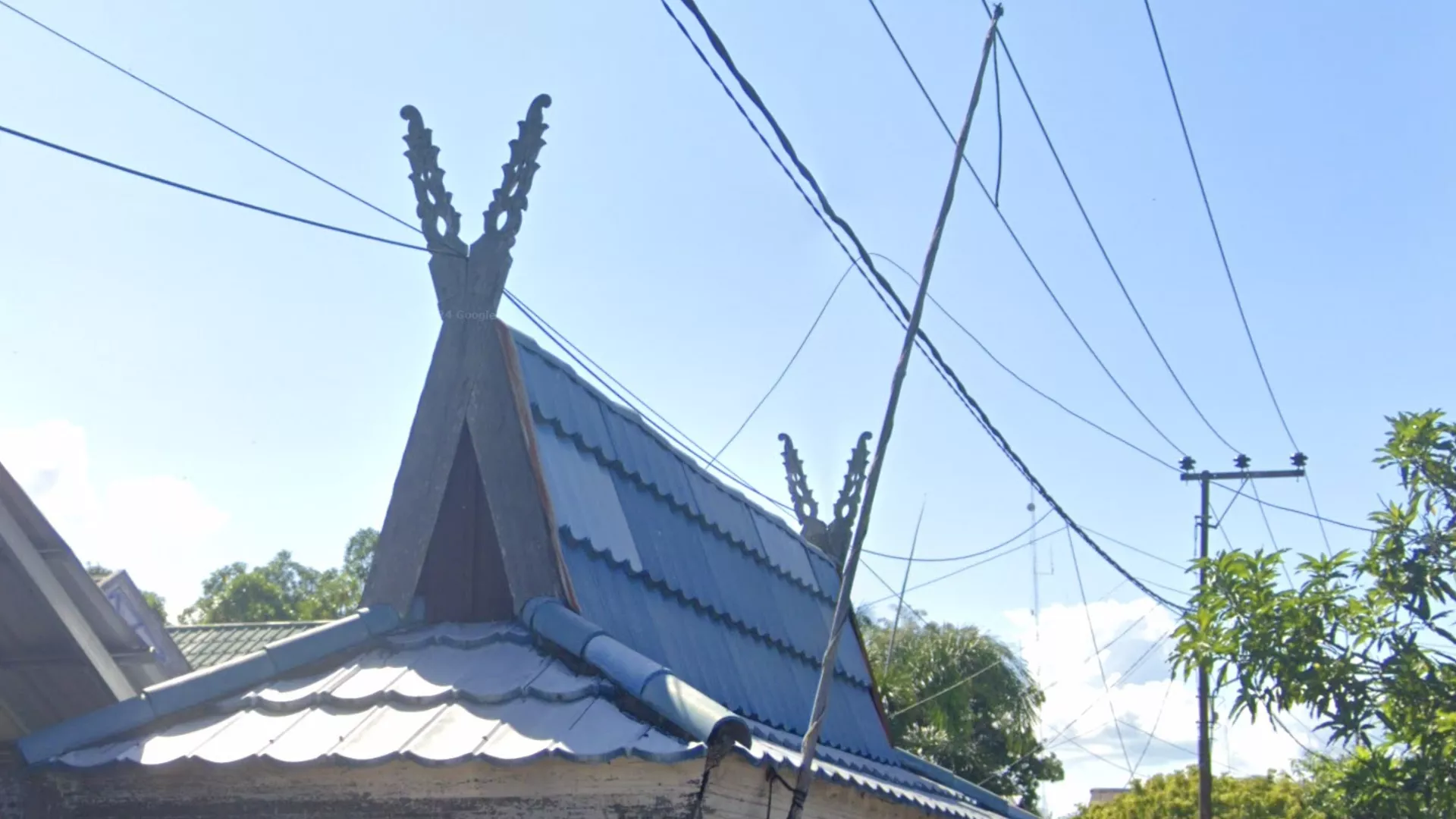
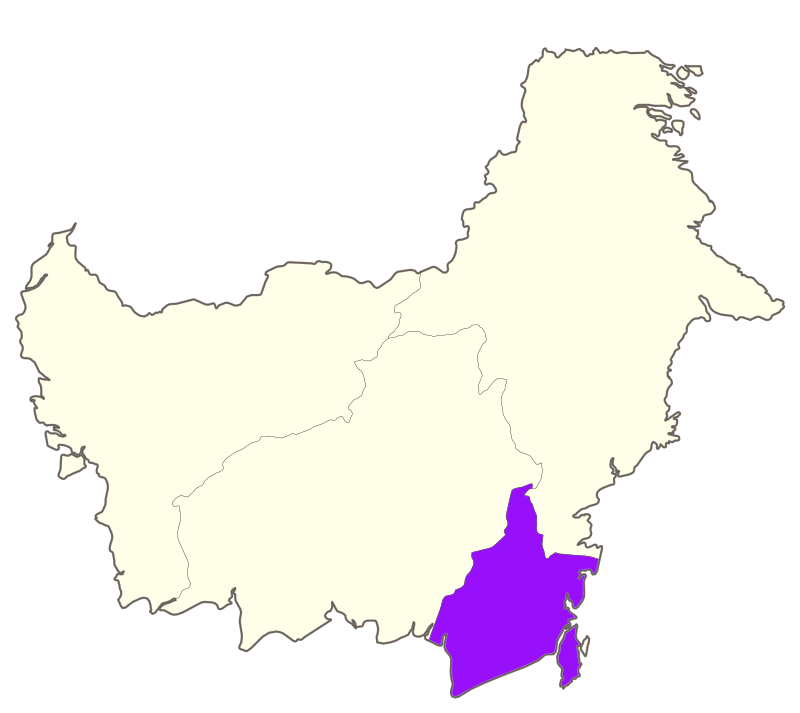
These elongated and ornate ‘rabbit ear’ gable horns are found in South Kalimantan.
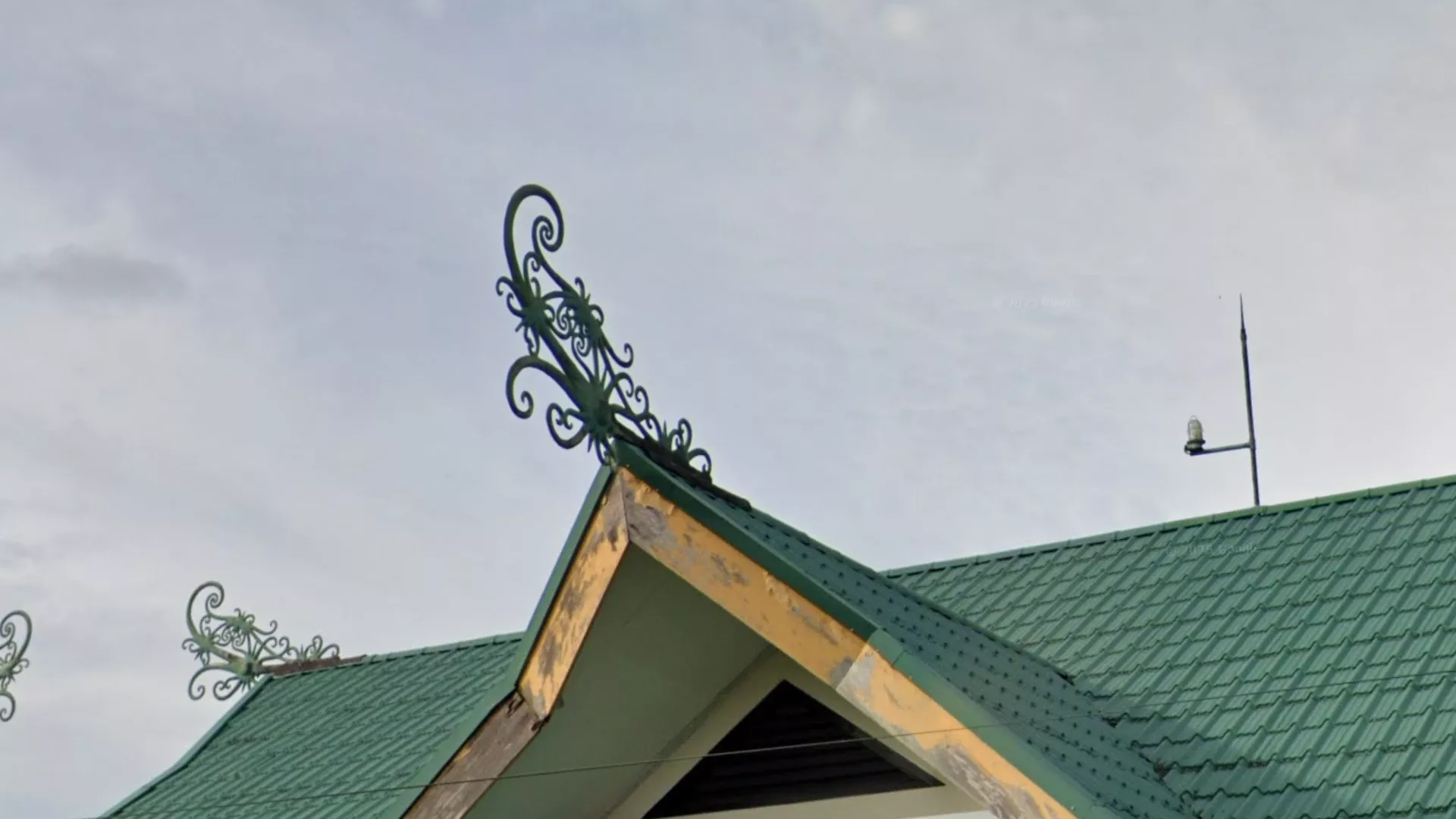
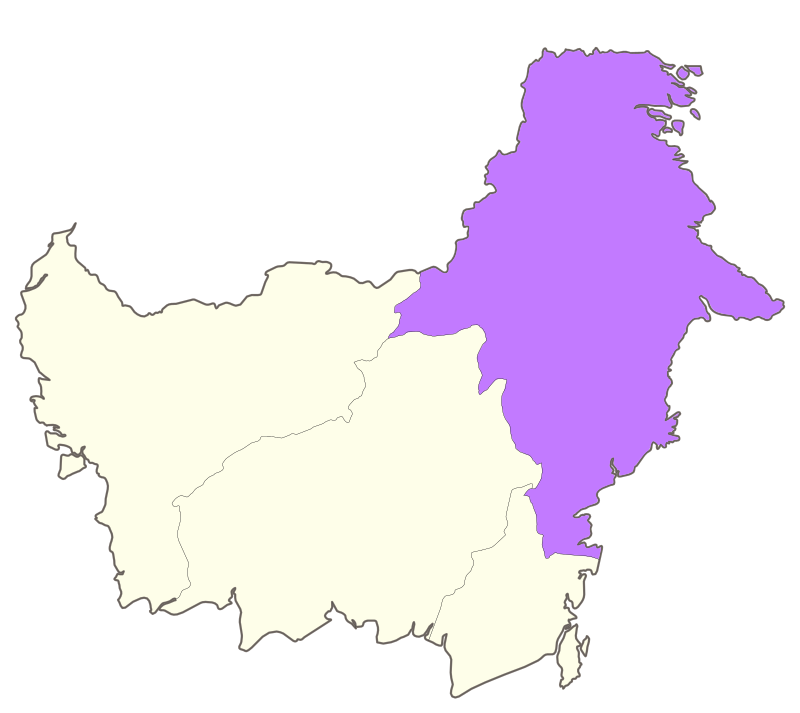
Recognisable by their curved shape and particularly elaborate style, these gable horns are mostly found in North Kalimantan and East Kalimantan, which have the largest Dayak populations.
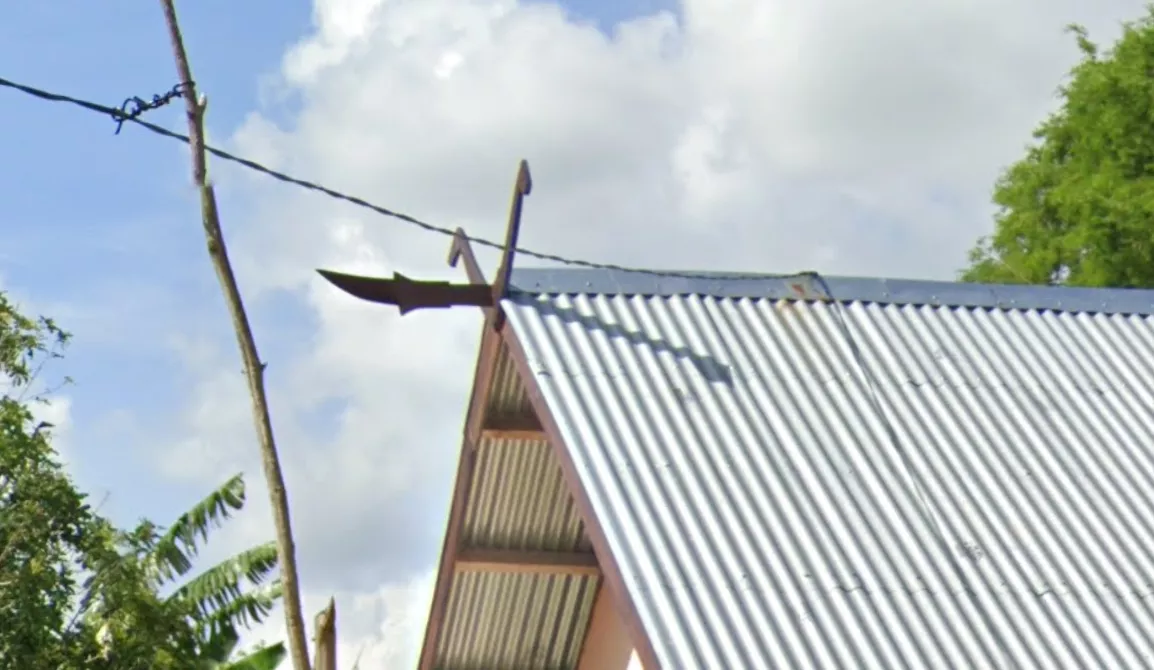
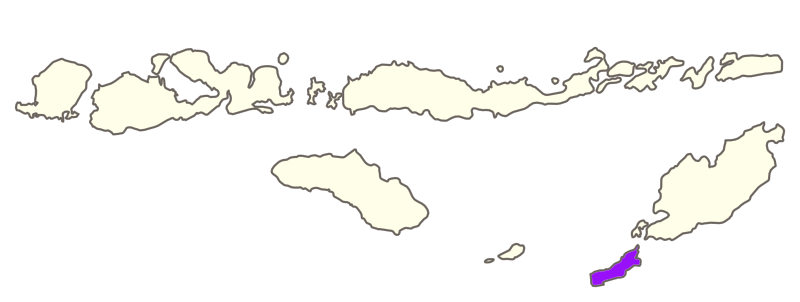
On Rote Island you can find this roof ornament, which resembles a dagger amidst two upward-curving horns.
Infrastructure
Bridges
Different bridge designs can be found not only in different provinces of Indonesia, but even in different regencies. The most identifiable feature is usually the ‘bridge stone’ which marks the start and end of a bridge.
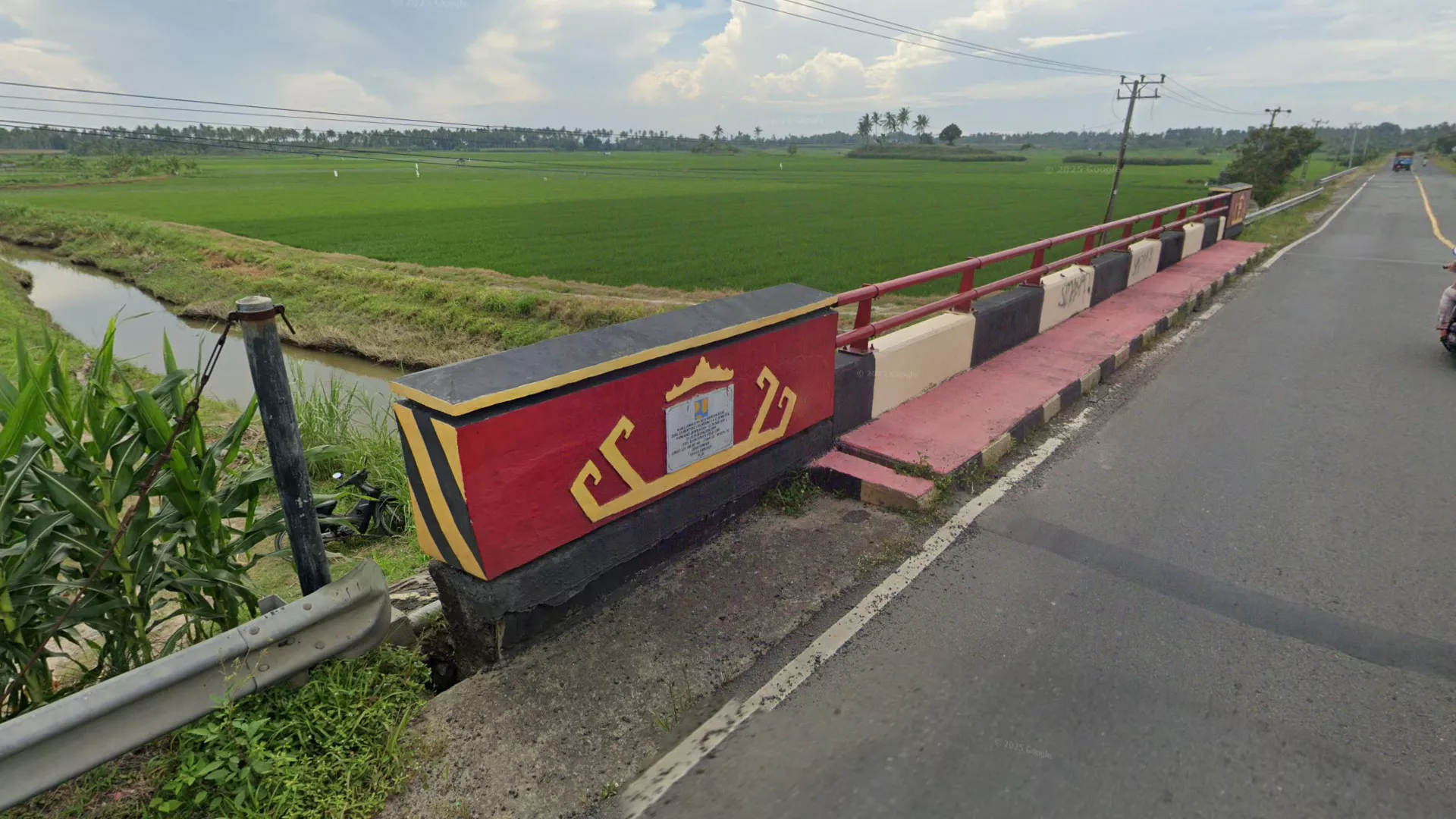
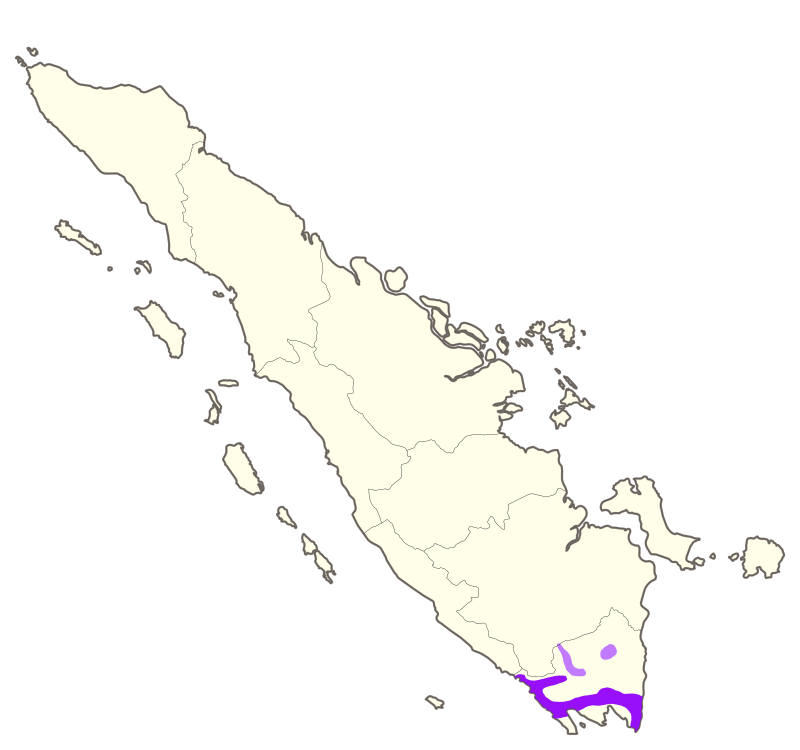
Bridge stones with a red-yellow-black colour combination and the Siger Crown symbol of Lampung (often with a variety of additional elements alongside the crown) are exclusive to Lampung. Note that the colour combination is not fully exclusive, but the symbols are.
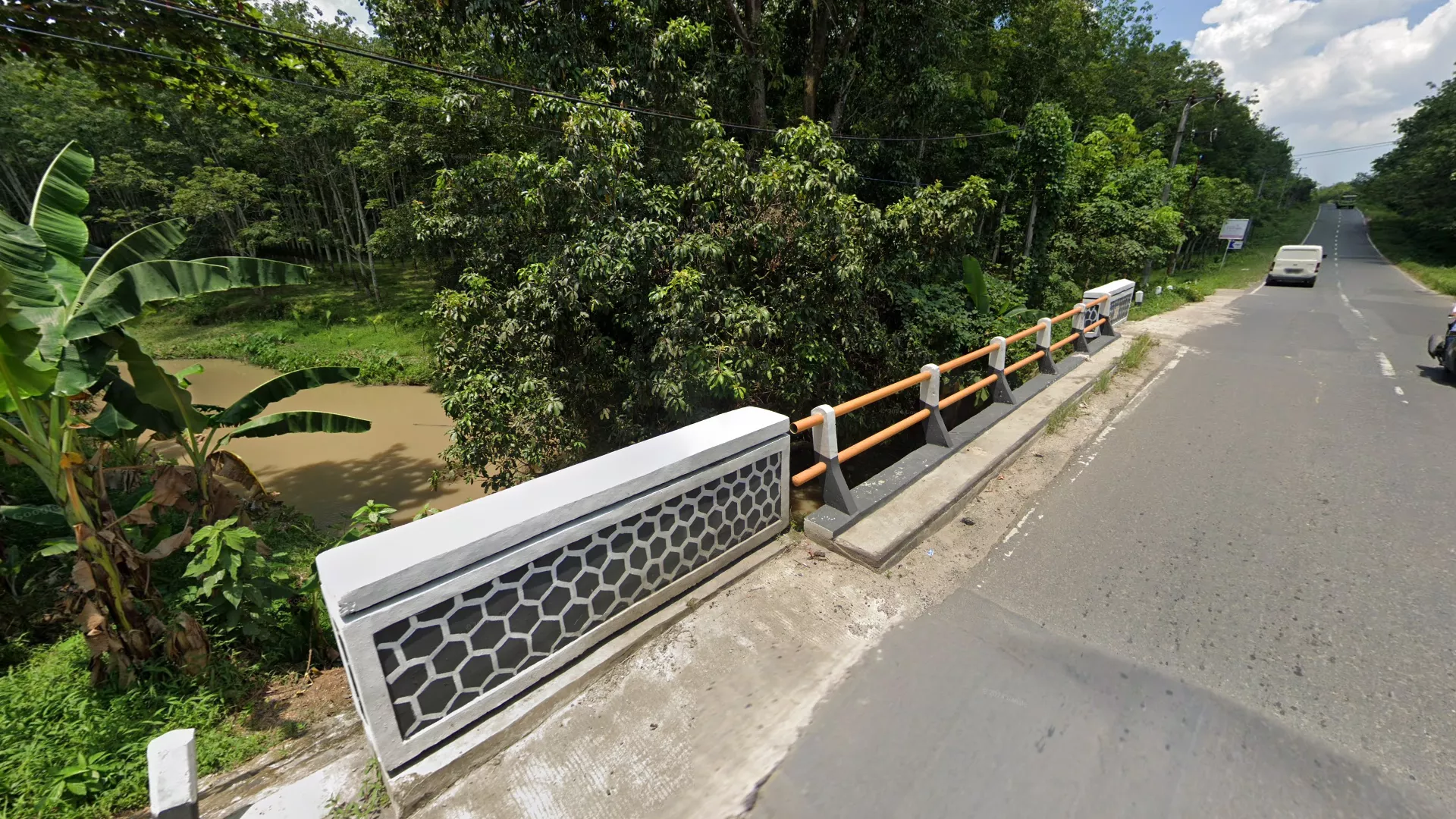
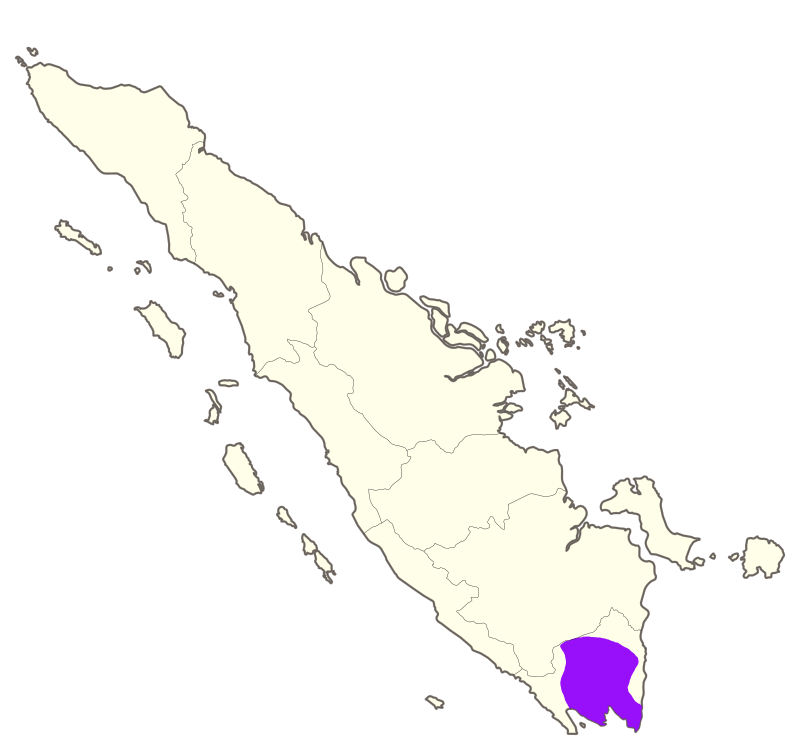
This black and white bridge stone design with a hexagonal pattern is also found in Lampung. The corresponding railings are usually yellow with black and white supports.
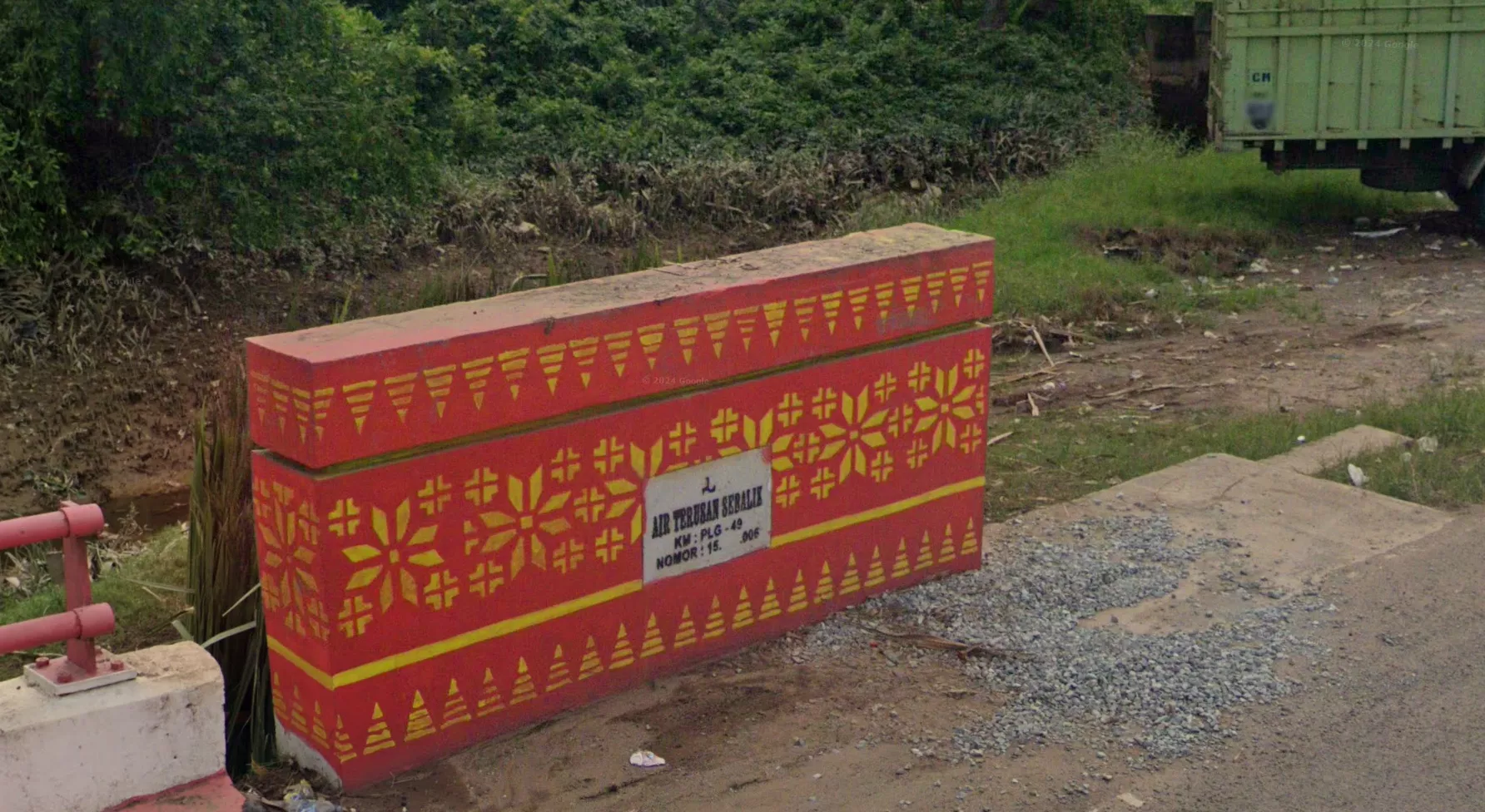
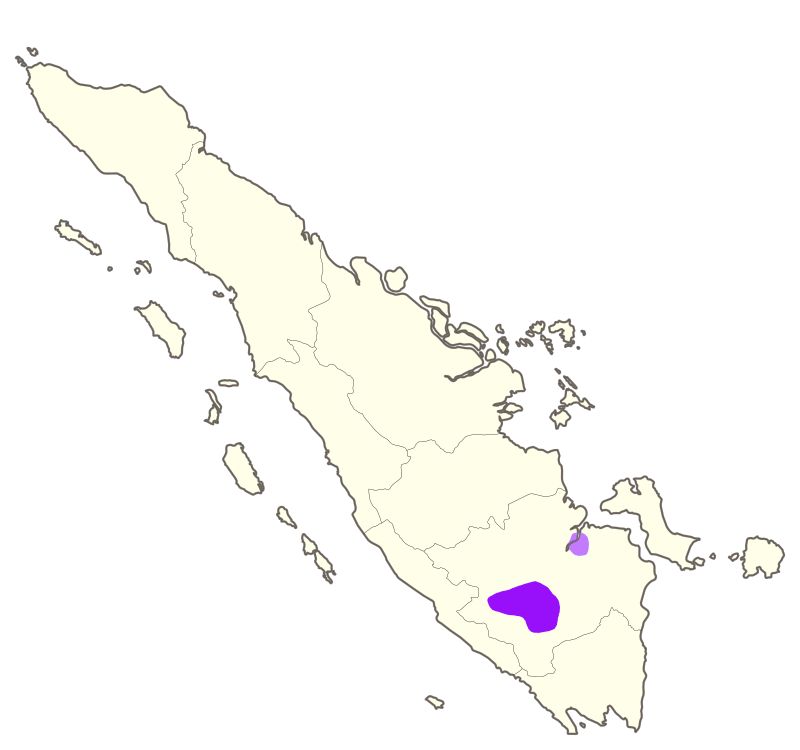
Red and yellow floral motifs often adorn bridge stones in South Sumatra.
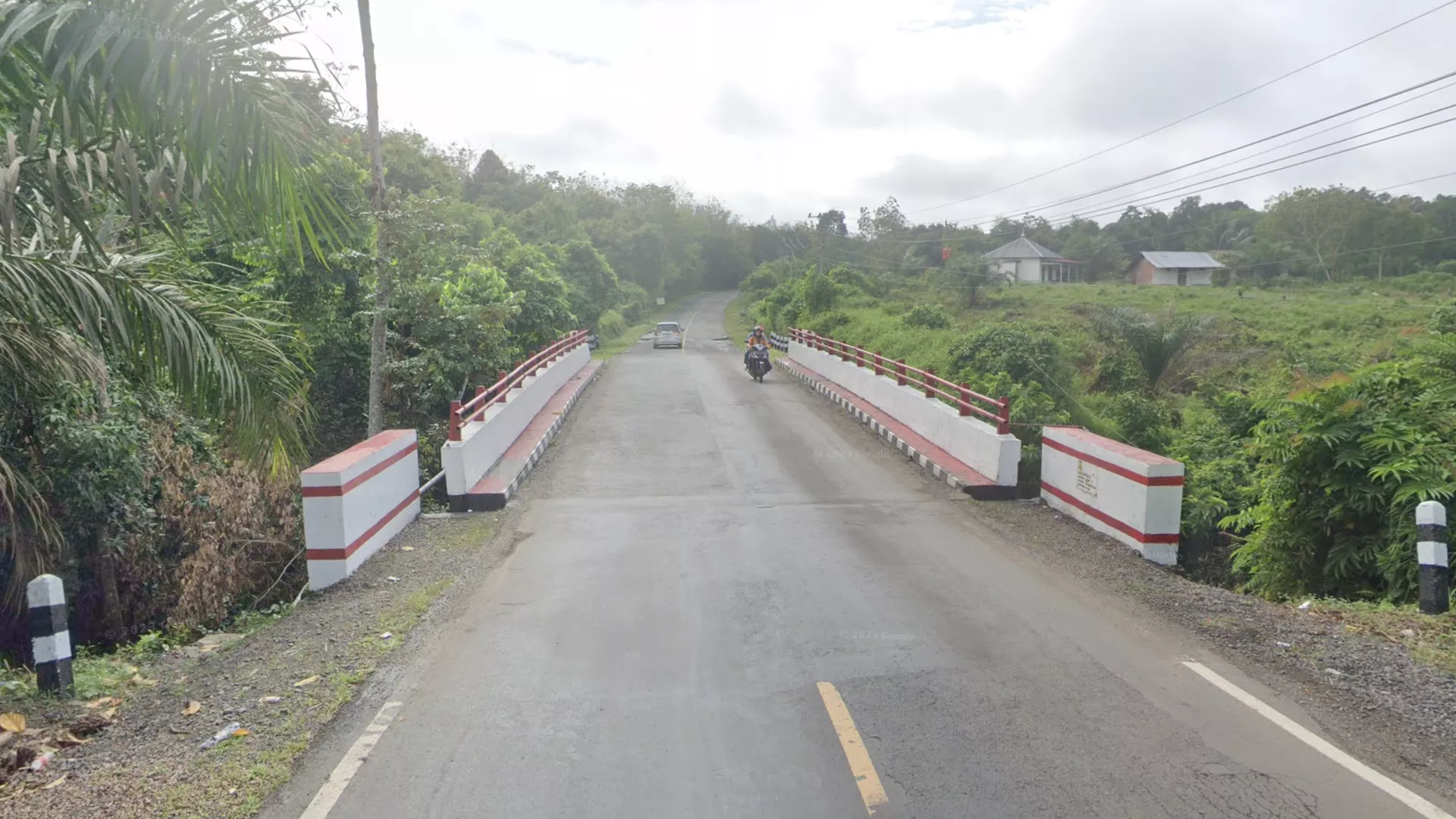
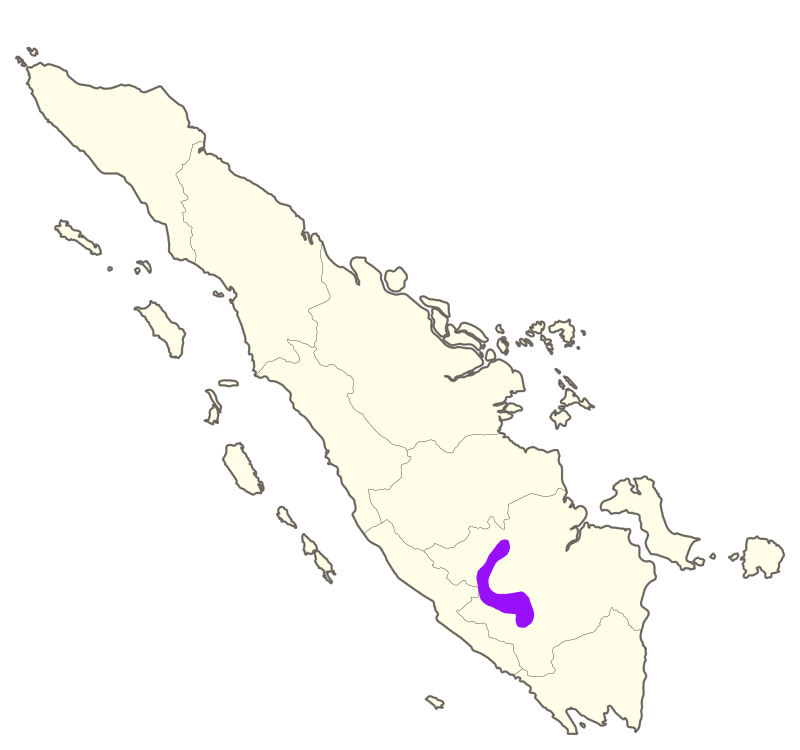
White bridge stones with two transverse red stripes together with red railings with white supports can also be found in South Sumatra.
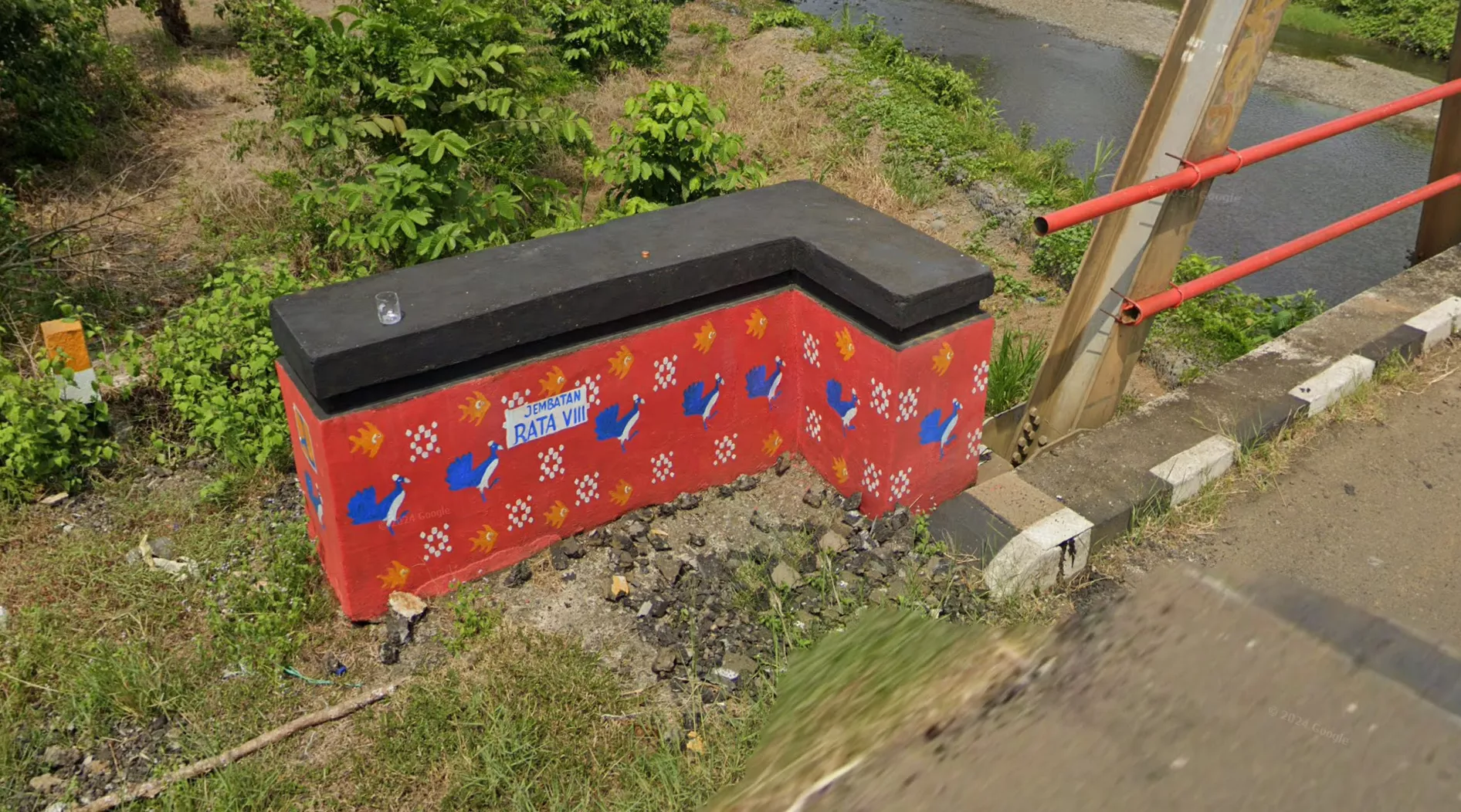
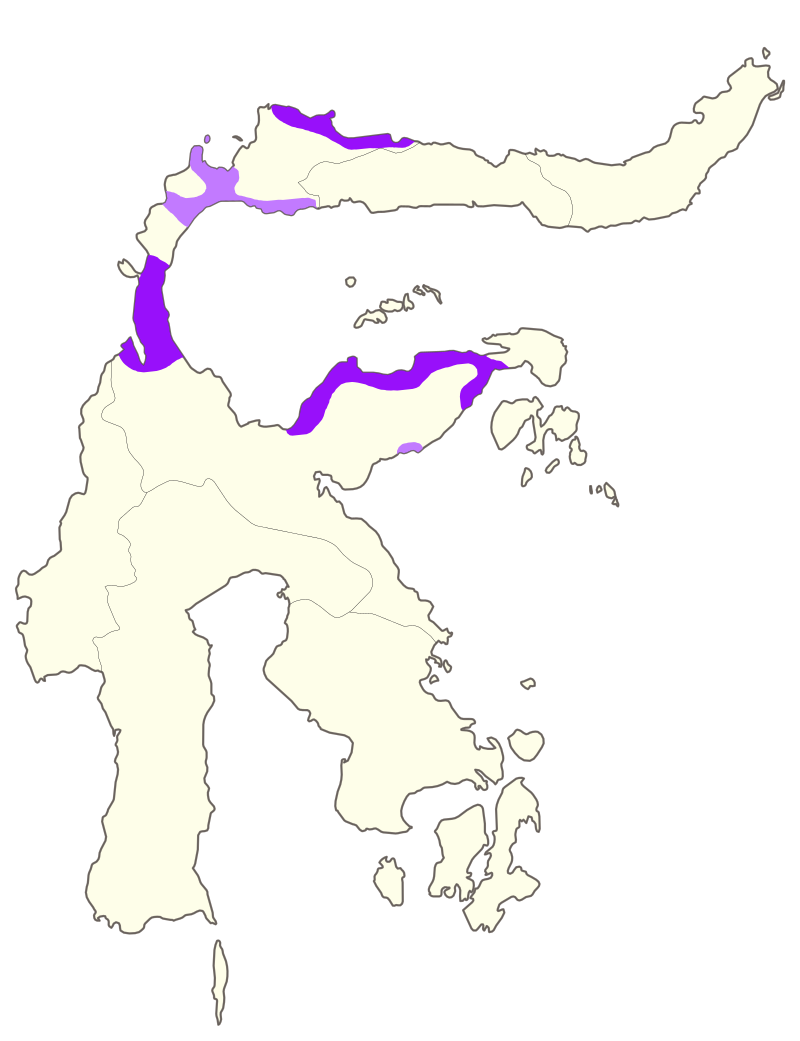
Central Sulawesi bridge stones commonly feature creative motifs. Most notably these include the endemic Maleo bird as well as fish, flowers and geometric figures.
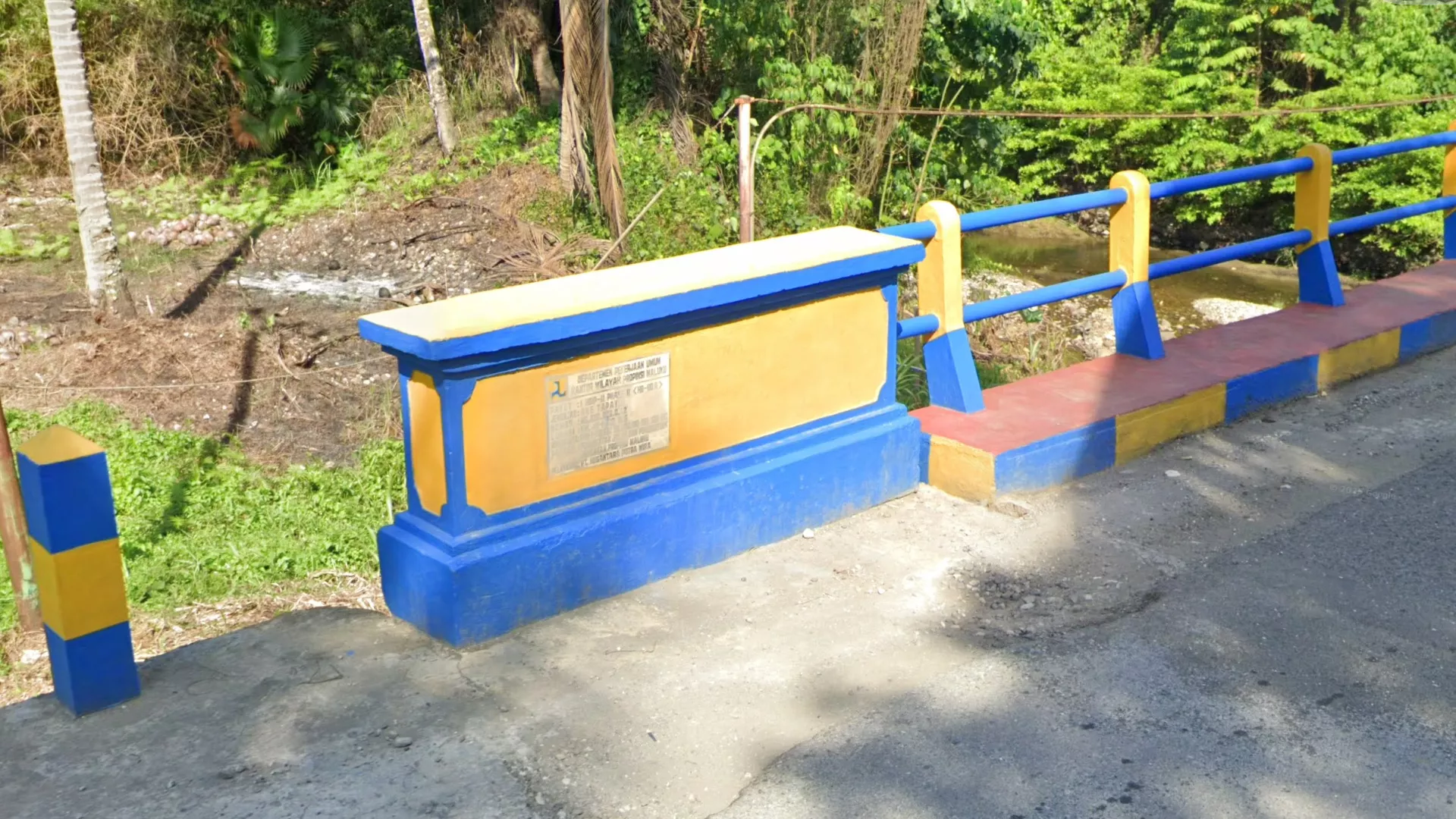
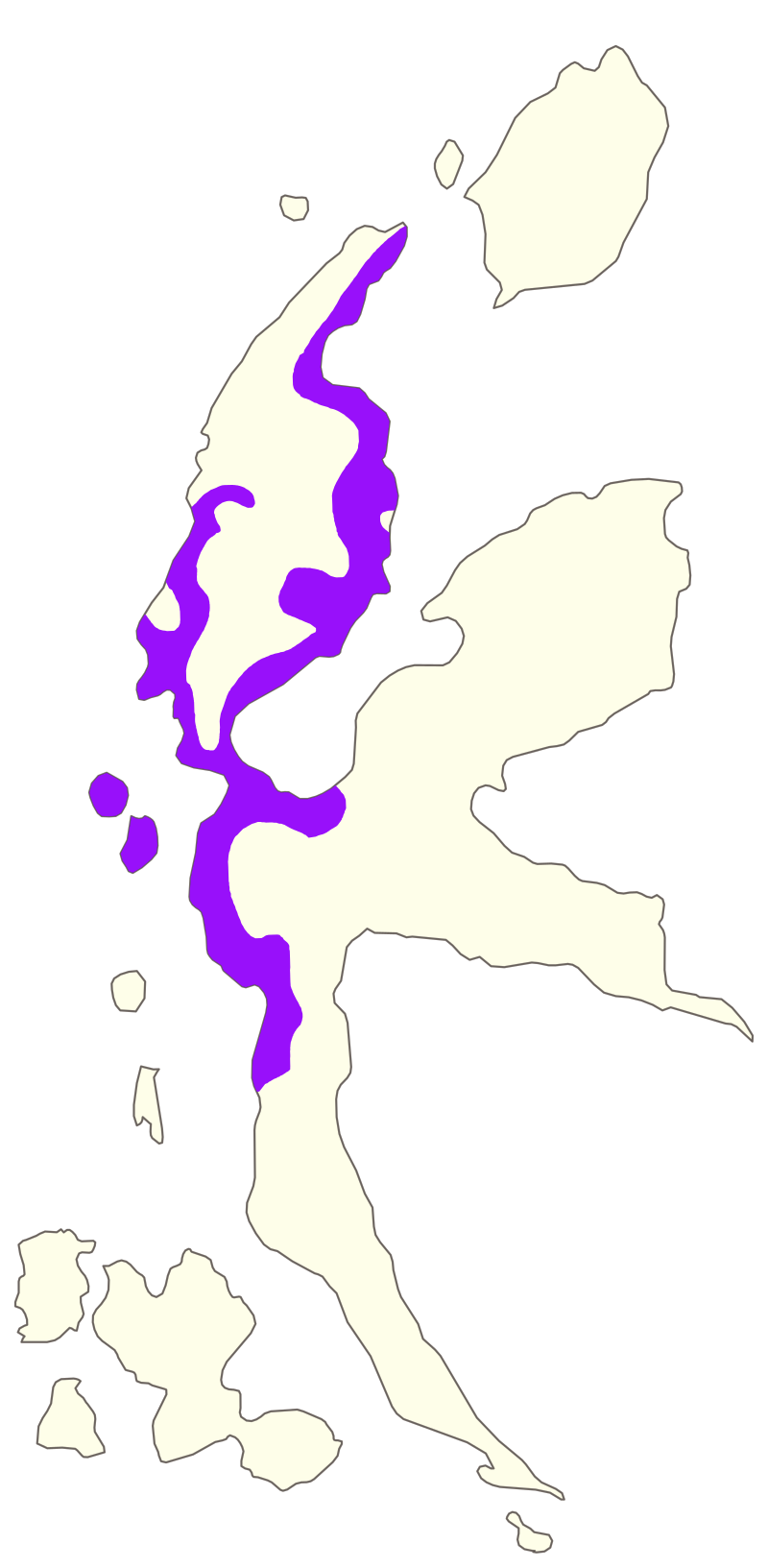
Yellow and blue bridge stones accompanied by bollards of the same colour are typical of North Maluku. The railings are usually blue, unlike similar designs in parts of Sulawesi.
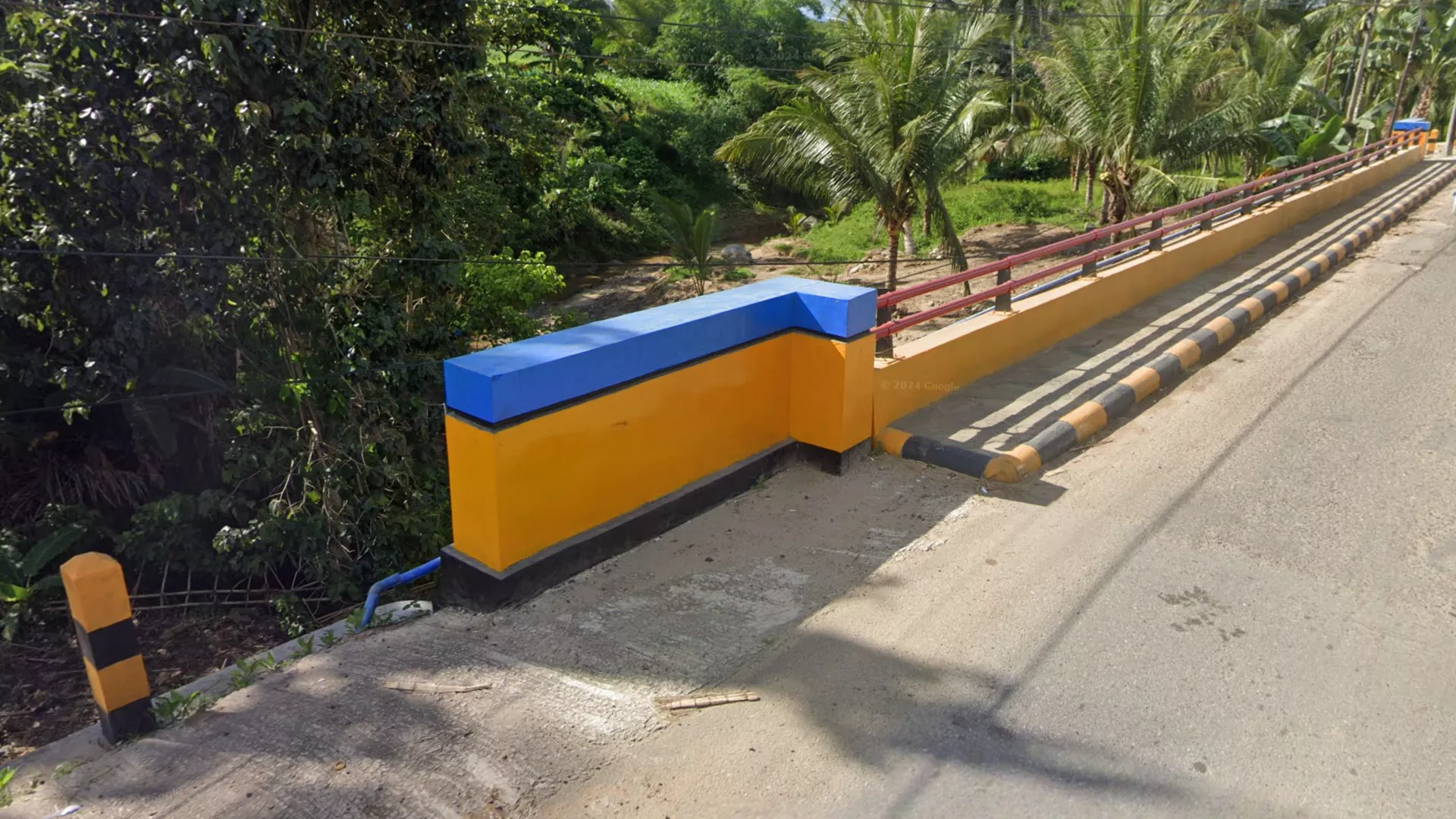
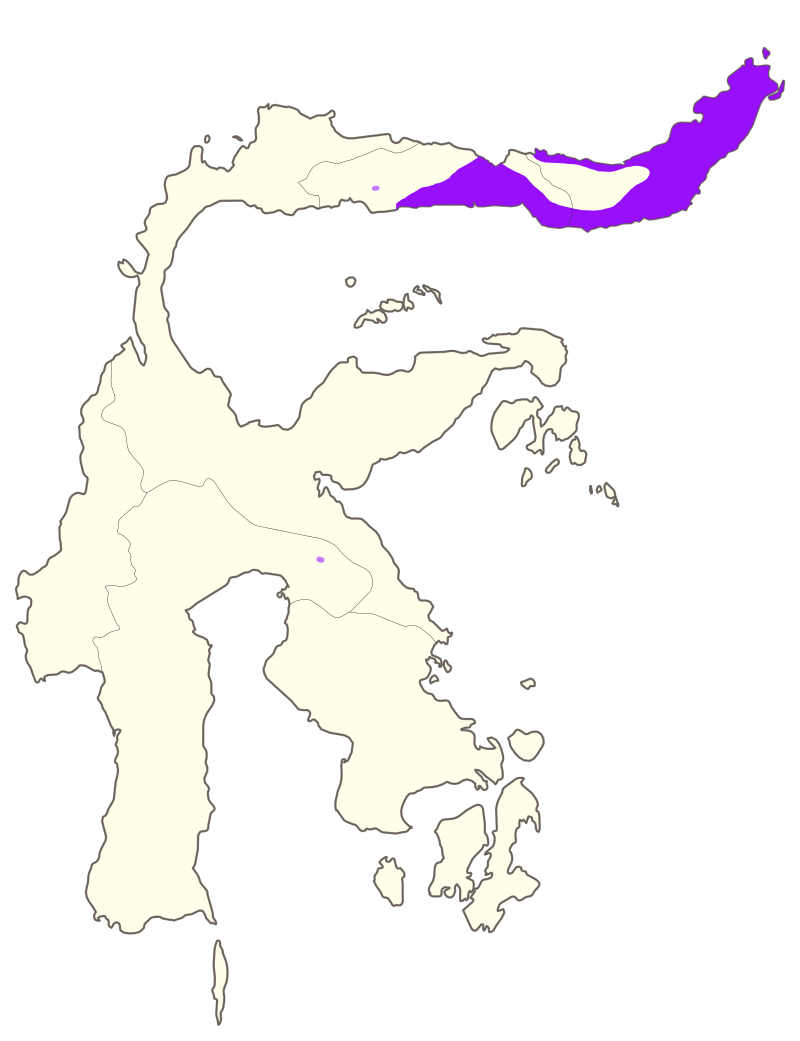
Gorontalo and North Sulawesi often use blue and yellow bridge stones too. However they are often accompanied by black and white bollards and typically have red railings, differentiating them from North Maluku bridges.
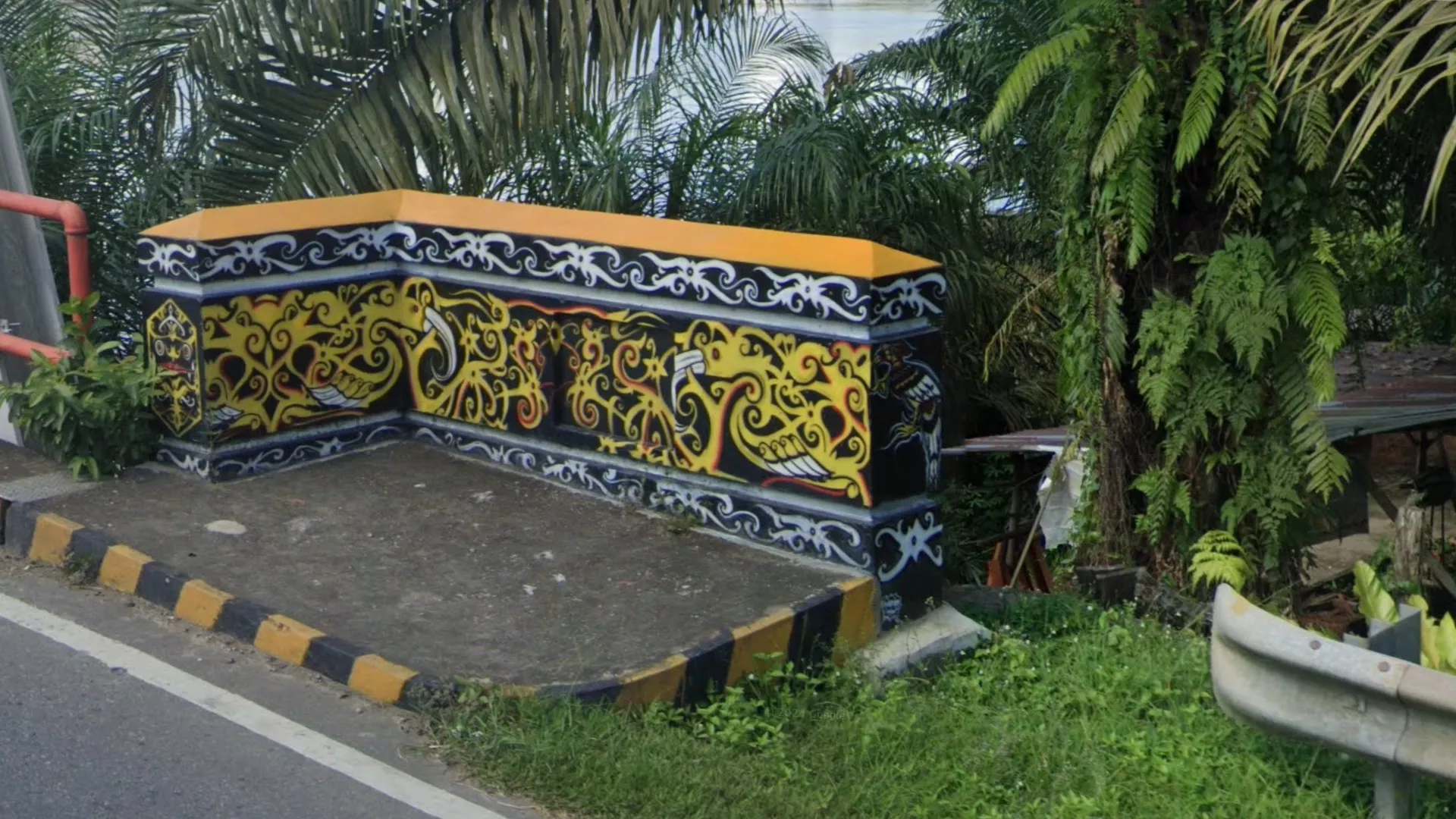
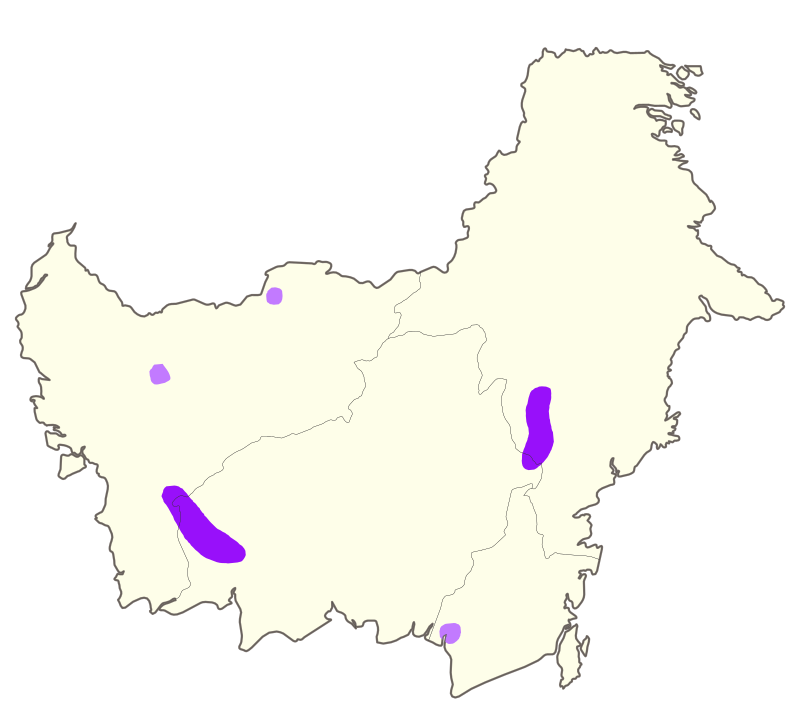
Bridge stones with Dayak motifs can be found in most regions of Kalimantan.
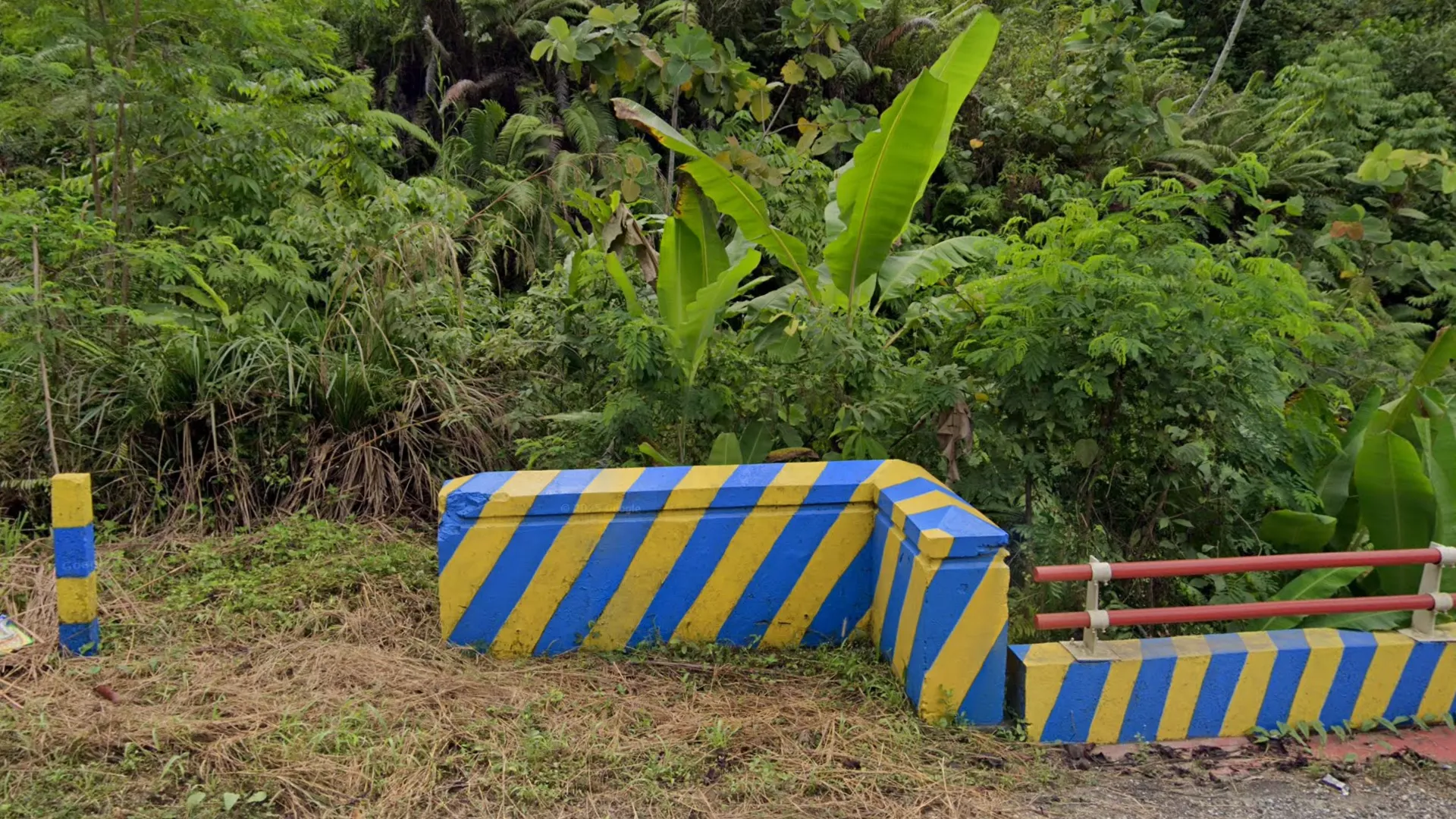
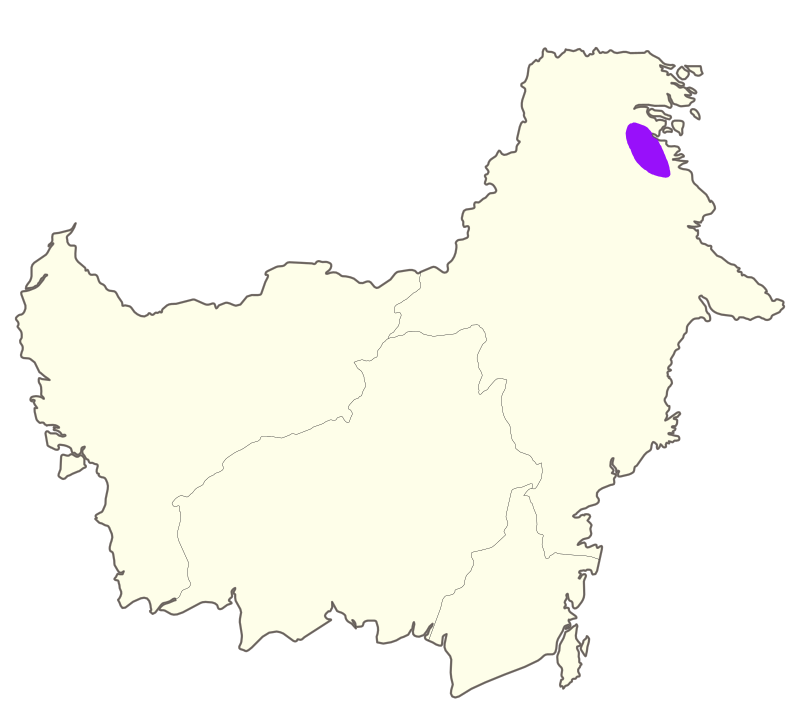
Bridge stones with alternating yellow and blue diagonal stripes can be found in North Kalimantan between Malinau and Tanjung Selor. Yellow and blue bridges can also be frequently found in Gorontalo, North Sulawesi, and North Maluku, but the stripy pattern is unique to this area.
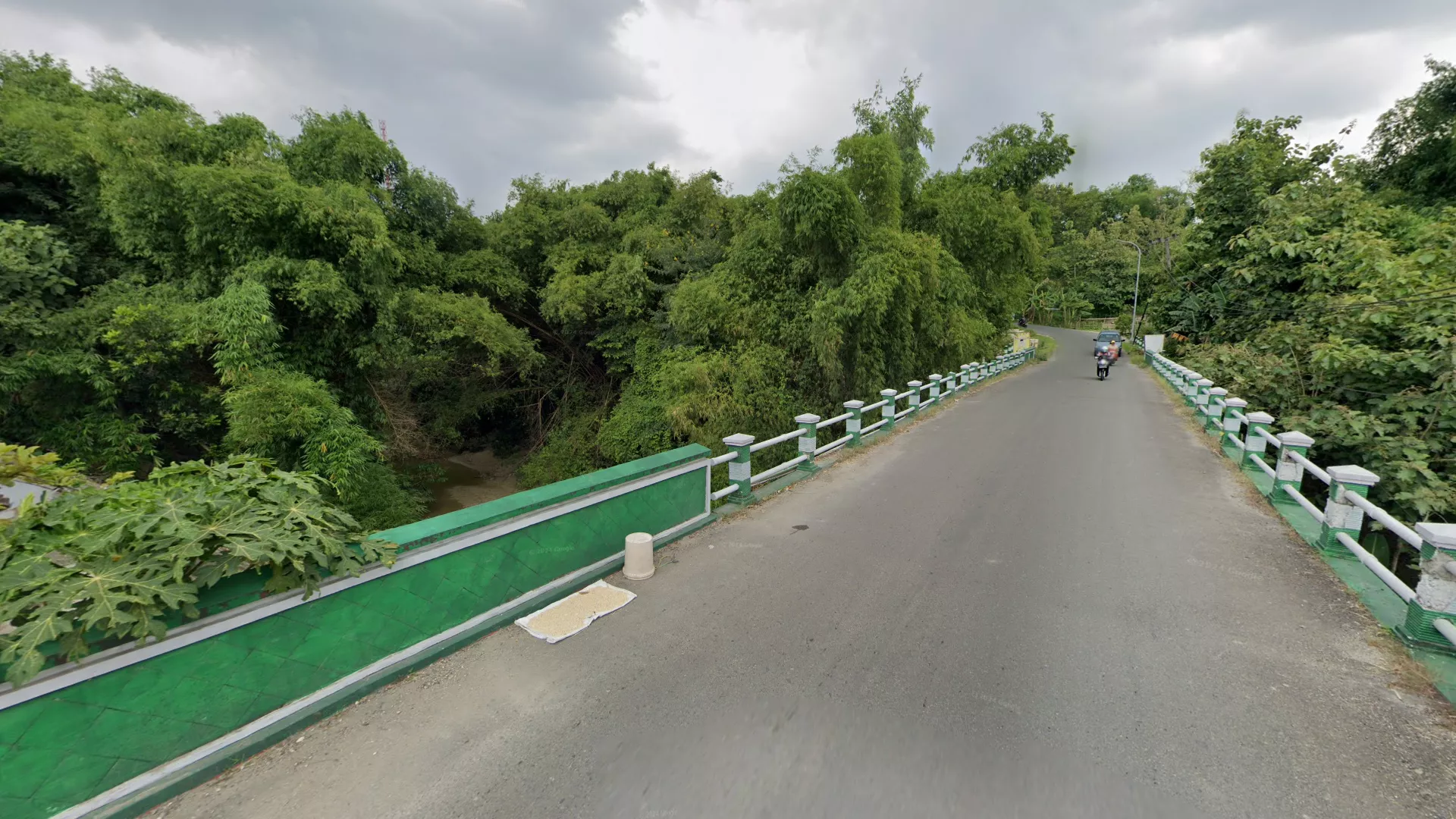
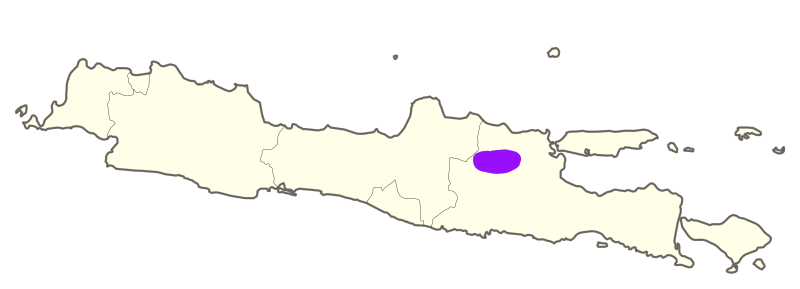
White and green bridges can be found in East Java. The proportion of white and green varies from bridge to bridge.
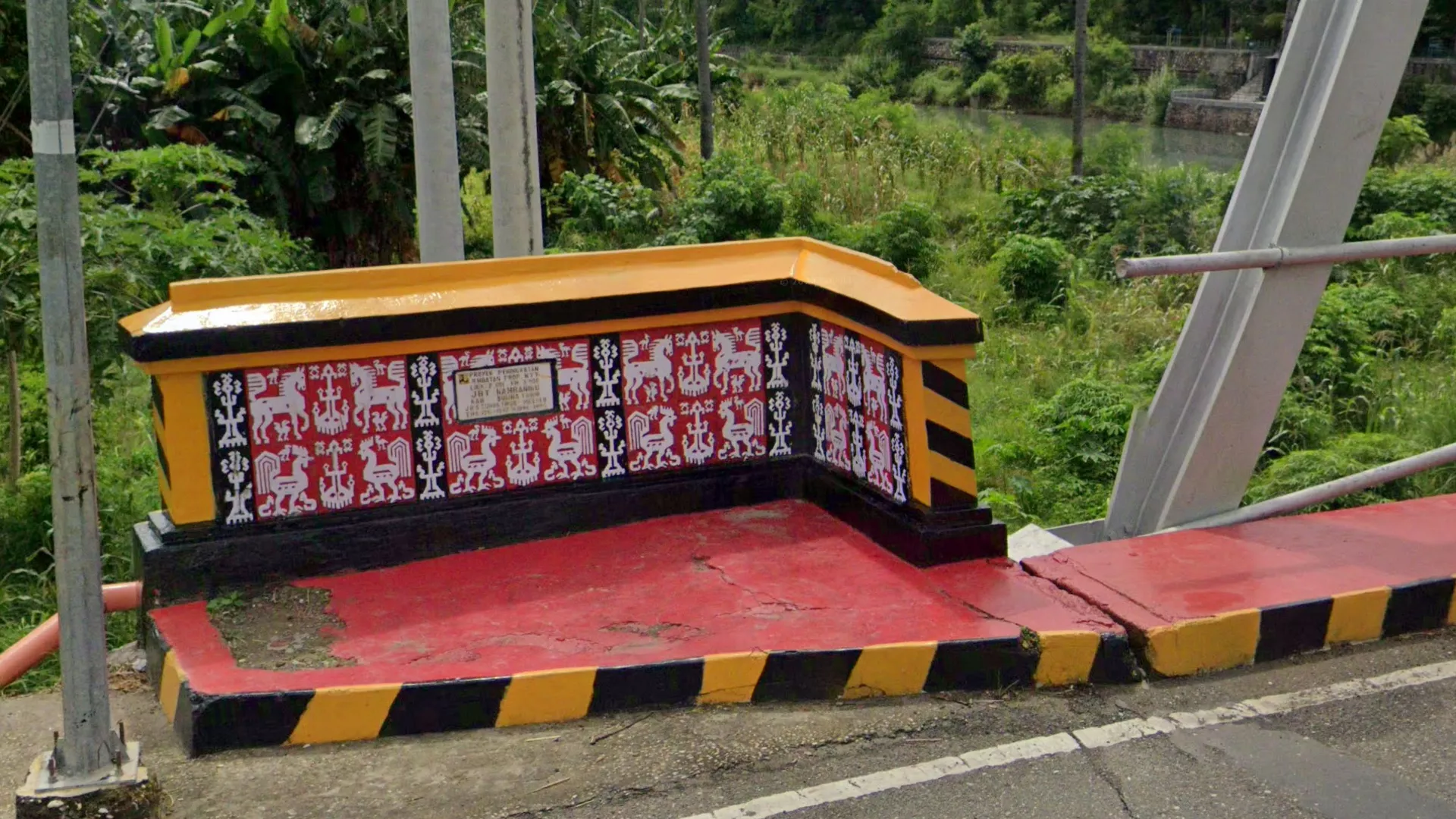
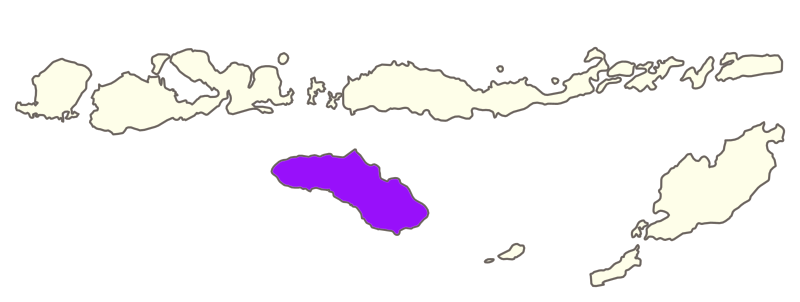
Yellow and black bridge stones together with white tribal motifs on a red or black background are found on Sumba.
Culture & Language
Religion

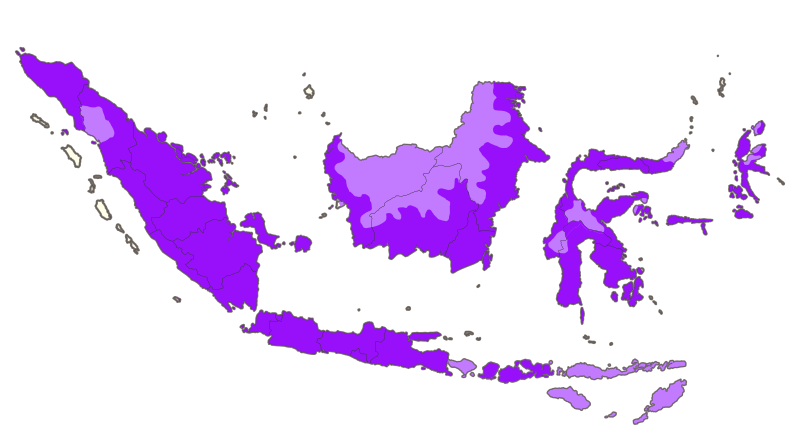
Islam is the majority religion of Indonesia. However there are numerous areas with minority religions where Islam is far less prevalent, notably Bali, the East Nusas, North Sumatra and inland areas of Kalimantan and Sulawesi. Note in these areas you’ll often see eateries labelled ‘Warung Muslim’, as Warungs (small local restaurants) do not need to specify this in majority Muslim areas.

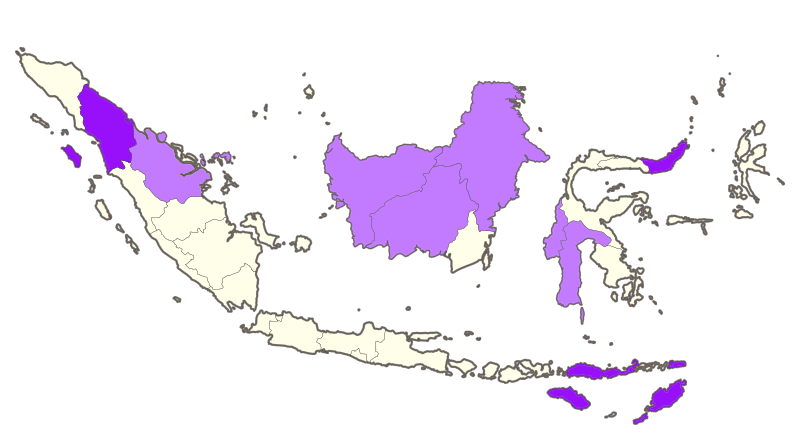
Christianity is prevalent amongst numerous ethnic groups who had not been islamised prior to European colonisation, most notably the Batak in the North Sumatran highlands, the East Nusas, North Sulawesi, and the Dayak in the Borneo interior. Besides the typical signs such as churches or crosses, you will also see signs saying ‘Selamat Natal’ and ‘Selamat Paskah’ - meaning ‘Merry Christmas’ and ‘Happy Easter’.

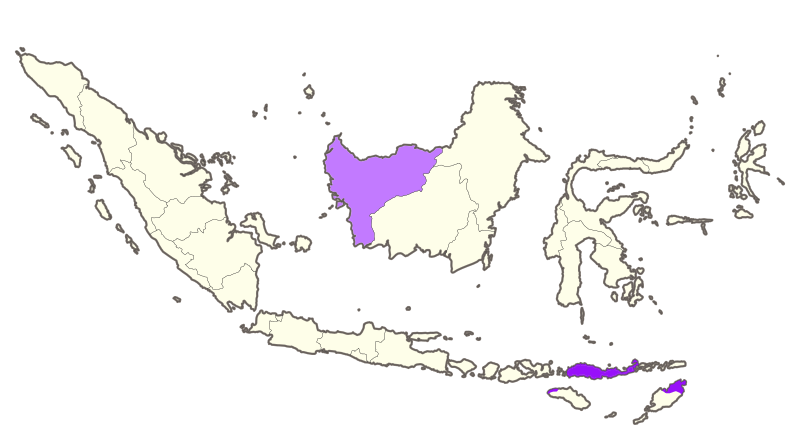
Most Christians in Indonesia are Protestants. However due to Portuguese influence, Flores and the easternmost parts of Timor are Catholic. West Kalimantan also has a small Catholic minority. Catholic areas usually have more overt Christian iconography compared to the more humble Protestant churches, with lots of depictions of Jesus, the Virgin Mary, the Pope or religious figures, as well as larger churches in general.

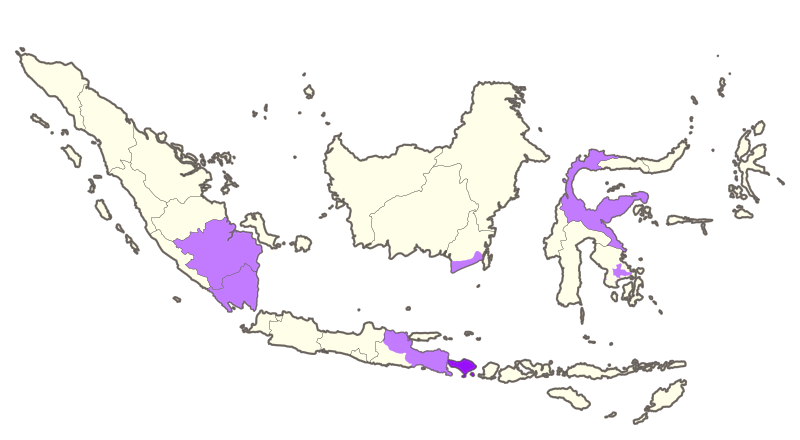
Hinduism, the primary religion of Indonesia prior to the arrival of Islam, is now mostly restricted to Bali, with some presence in Balinese-populated parts of East Java. However, due to the Transmigrasi program of the Dutch colonial government, there are large Balinese settler communities in other provinces, especially Lampung, South Sumatra and Central Sulawesi.
Province Abbreviations

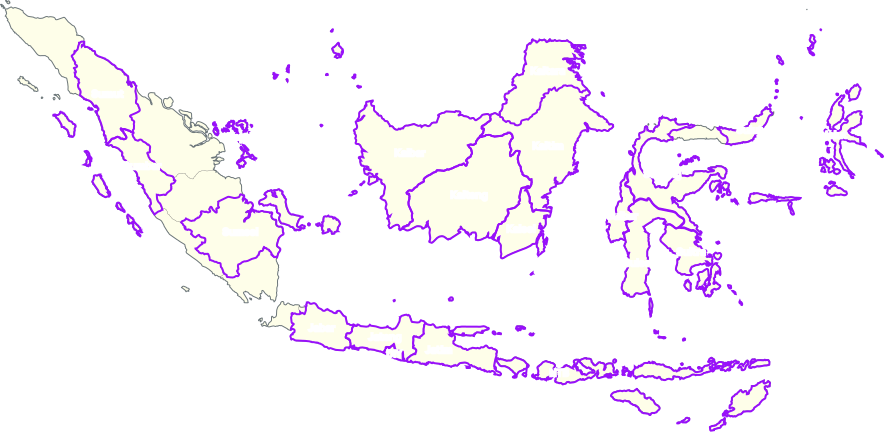
Abbreviations for the provinces are mostly seen on political posters. Sometimes they're also found on town signs, advertising posters, or else but less commonly.
Cardinal Directions:
- Utara for North
- Timur for East
- Selatan for South
- Barat for West
- Tengah for Central
- Tenggara for Southeast
Cardinal Directions:
- Utara for North
- Timur for East
- Selatan for South
- Barat for West
- Tengah for Central
- Tenggara for Southeast
Toponymy
While Indonesian serves as the unifying language of the country, Indonesia is incredibly linguistically diverse. Signs in local languages are extremely rare. However these languages frequently leave their mark on the local toponymy in the forms of unique suffixes, prefixes or letter combinations.

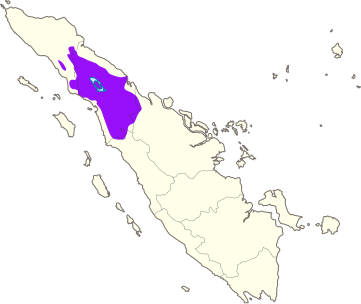

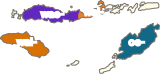


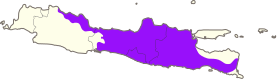
Javanese is the largest local language in Indonesia, spoken mostly in Central and East Java, as well as the northern coast of West Java. Common elements in Javanese place names include the prefixes Purwo-, Suko- and Wono-, and the suffixes -harjo, -rejo, -sari. Note that the final ‘o’ in these affixes is often replaced with ‘a’ in the western half of the Javanese-speaking area (e.g. Purwa-, -reja).

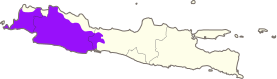
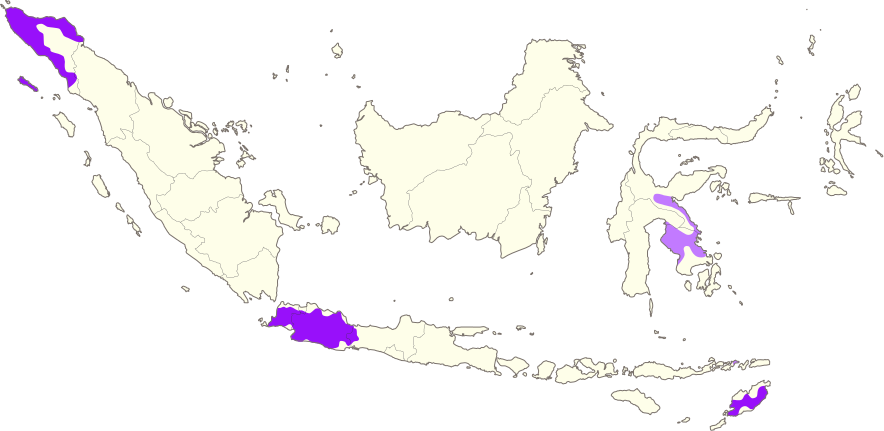
Sundanese is the second largest local language in Indonesia, spoken in south-west Java. It has very unique and helpful toponymy, thanks to the extremely common prefix Ci- (can also be written Tji-). Other unique prefixes include Bojong-, Curug- and Ranca-, as well as the vowel ‘eu’ mentioned previously.

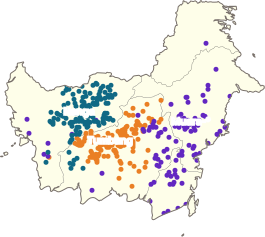
Different Dayak languages in the interior of Borneo use different local place prefixes. The most useful are Nanga- in interior West Kalimantan, Tumbang- in interior Central Kalimantan, and Muara- in interior East Kalimantan. Note that Muara- is also common outside Borneo, and therefore is only useful for regionguessing within the island, and Nanga- can rarely be found on Flores.

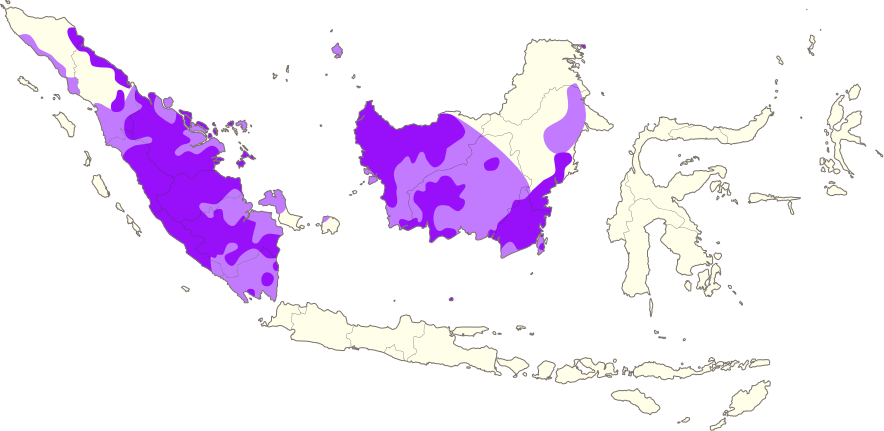
Malay, historically spread through trade, is the dominant language in most areas adjacent to the South China Sea between Sumatra and Borneo, with Malay place name components also frequently adopted by neighbouring languages like Minangkabau (West Sumatra) and Banjarese (South Kalimantan). These include the prefixes Padang-, Rantau- and Sungai-, as well as the words Hilir and Hulu (meaning up/downstream).